Africa’s Future through Research and AI: ARUA Concludes Landmark 5th Biennial Conference at Makerere University

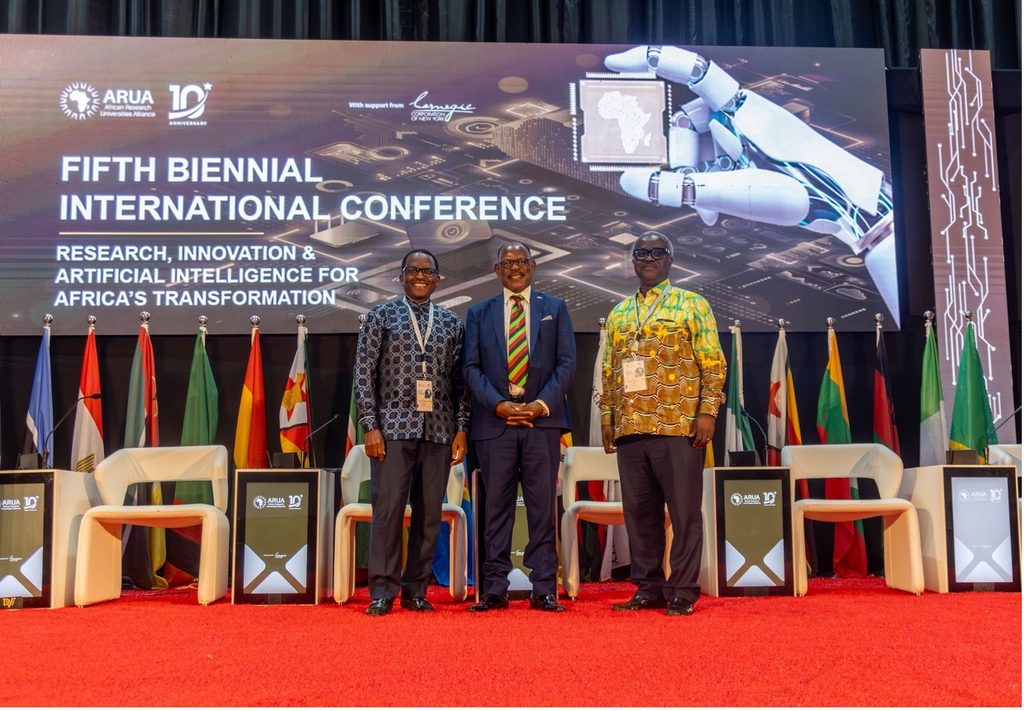
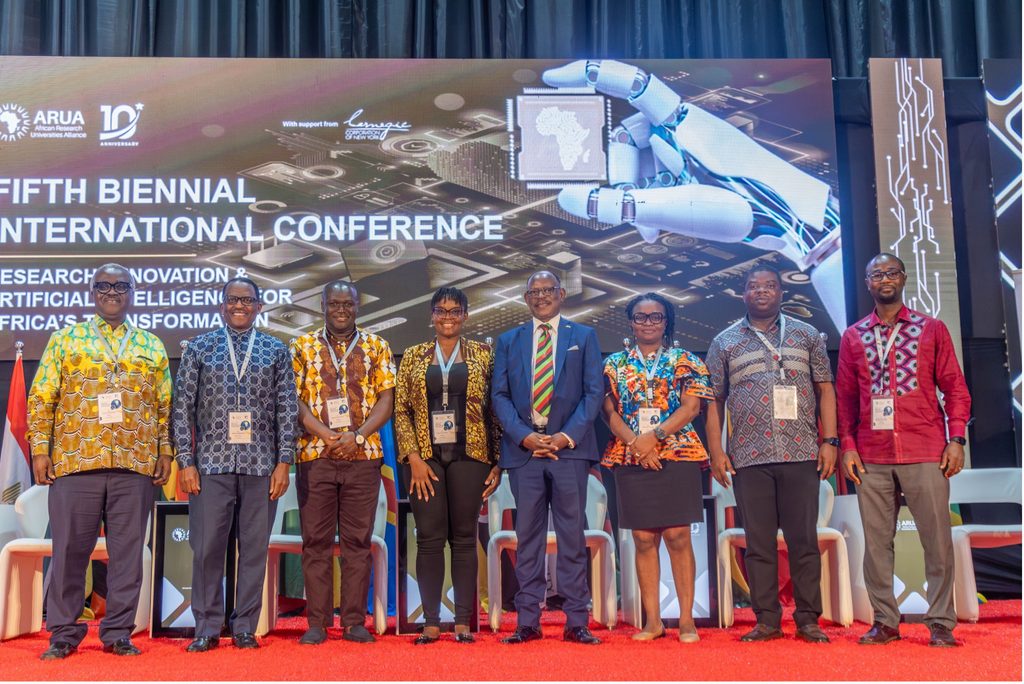
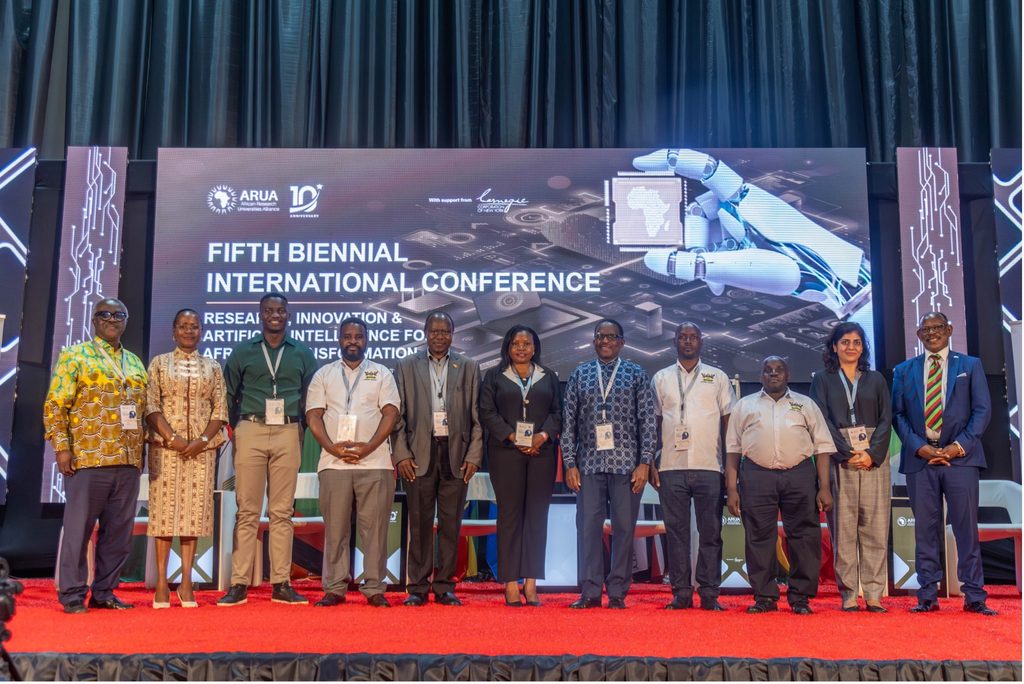
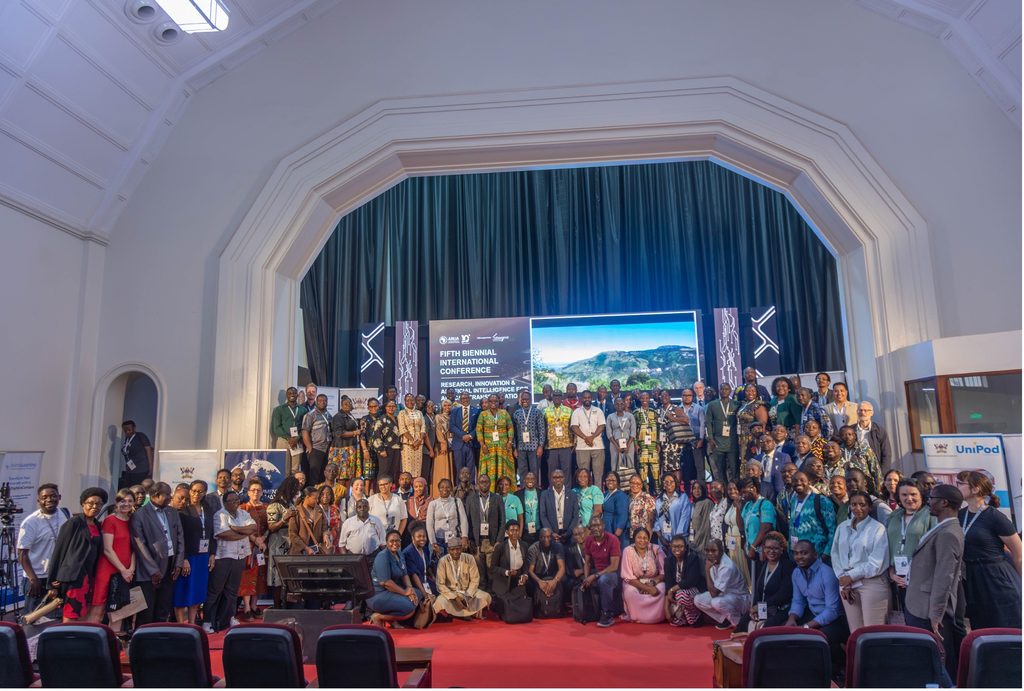
The African Research Universities Alliance (ARUA) convened its 5th Biennial International Conference at Makerere University from 29 to 31 October 2025, coinciding with the Alliance’s 10th anniversary. Held under the theme “Research, Innovation and Artificial Intelligence for Africa’s Transformation,” the three-day conference brought together over 300 delegates from more than 20 countries across Africa, Asia, Europe and North America — including vice-chancellors, leading scholars, policymakers and industry pioneers — to deliberate on how artificial intelligence (AI) and emerging technologies can drive sustainable development, strengthen institutional research capacity and advance continental self-reliance.
Conference Opening
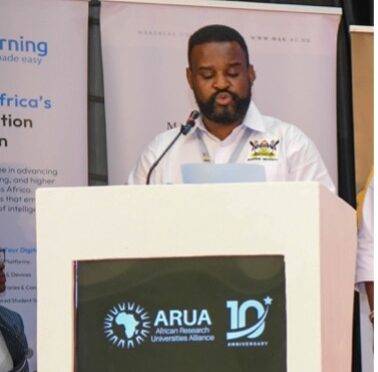
Proceedings opened with introductory remarks from Prof. Robert Wamala, Chair of the Local Organising Committee and Director of Research, Innovations and Partnerships at Makerere University, who emphasised that “while artificial intelligence is powerful, human intelligence, ethics and purpose must lead the way.”
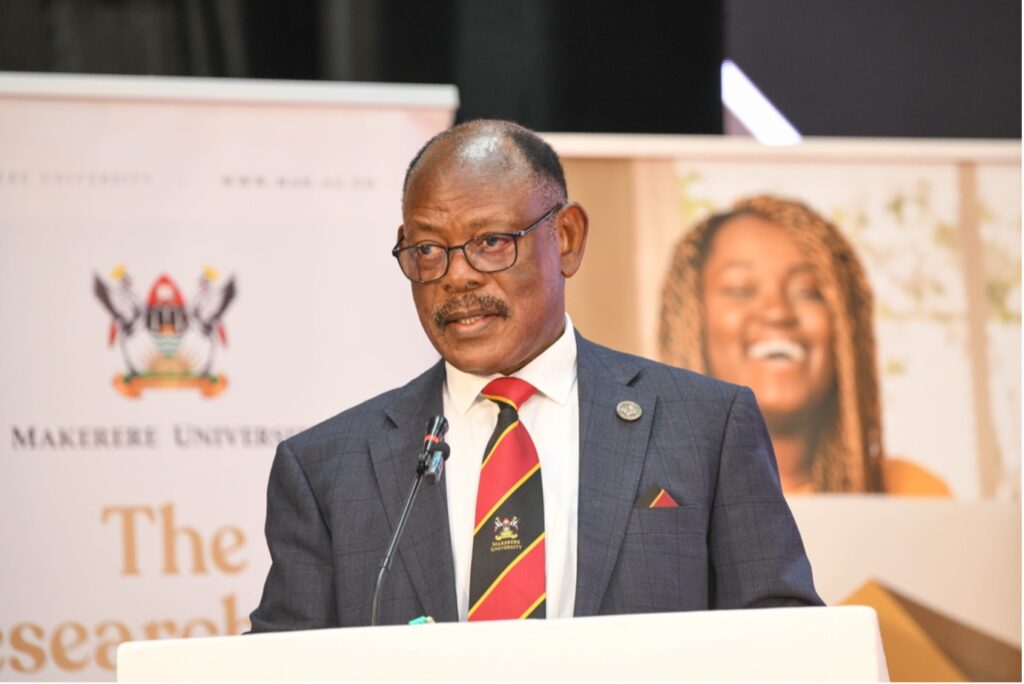
Welcoming delegates, Vice-Chancellor of Makerere University, Prof. Barnabas Nawangwe, situated the assembly within Africa’s historical trajectory, stating that “the struggle continues for Africa’s total emancipation and freedom from marginalisation.” He noted that higher education must address pressing demographic, public health and climate challenges through targeted research investments.
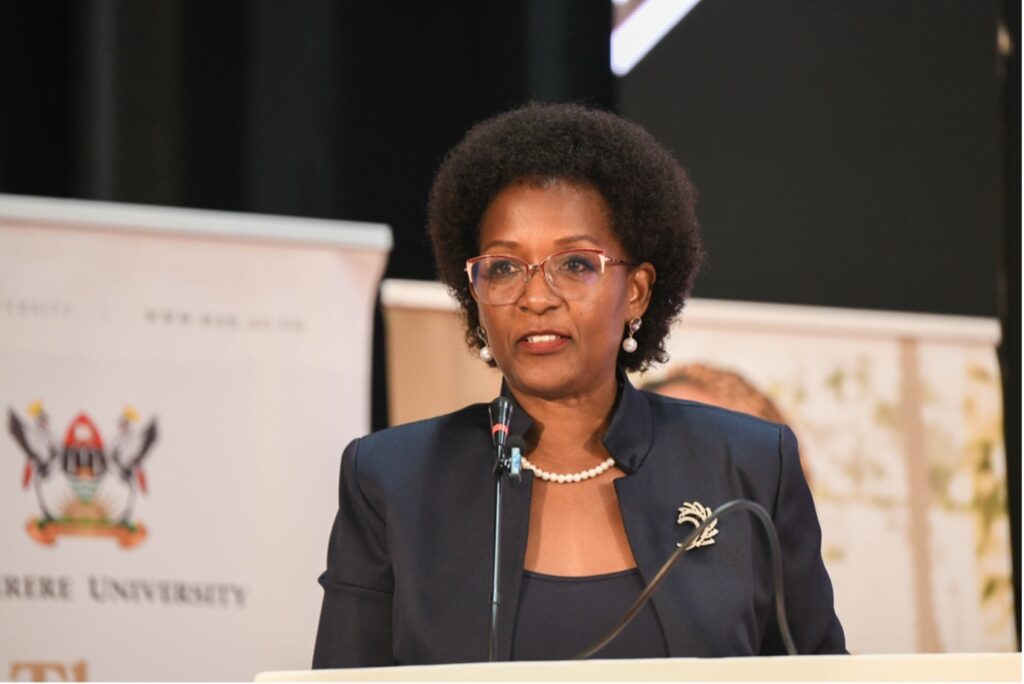
Dr Lorna Magara, Chairperson of the Makerere University Council, addressed the assembly on the Africa Rising narrative, asserting that “Africa’s story must not be one of catching up; it must be one of leapfrogging” and stressing that “Africa Rising is more than an economic slogan; it is a movement of renewed confidence and self-determination.”
Prof. Sizwe Mabizela, Vice-Chancellor of Rhodes University and Chair of the ARUA Board, highlighted the necessity of sustainable research partnerships while issuing a clear call for continental agency: “It is time that the African continent breaks free from this perpetual dependency on other nations.”
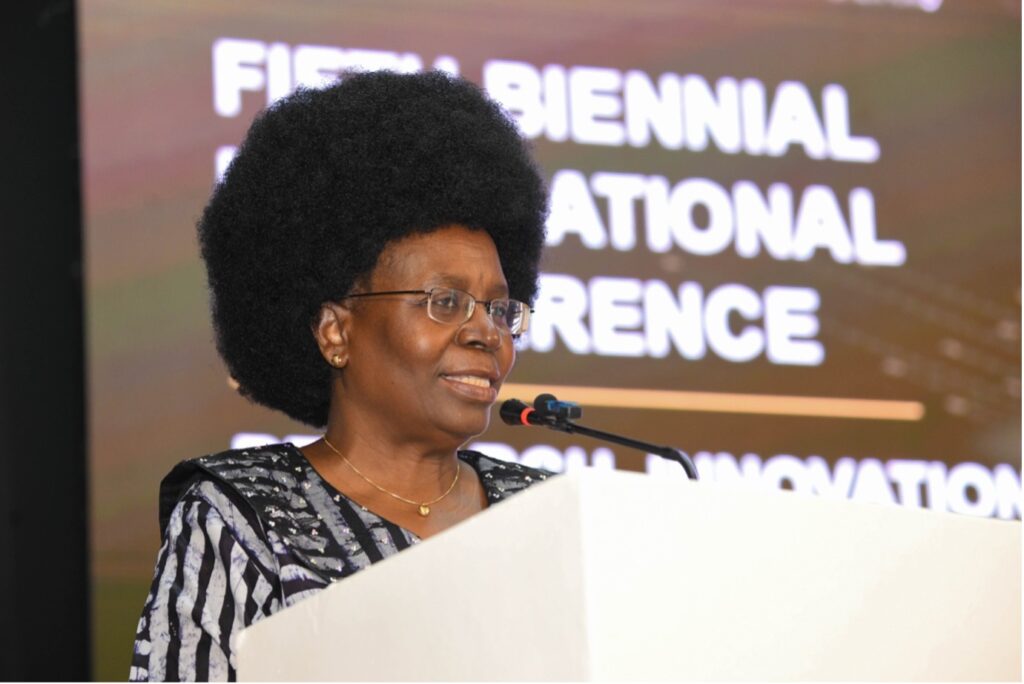
The Chief Guest, Hon. Dr Monica Musenero Masanza, Minister of Science, Technology and Innovation in the Office of the President of Uganda, officially opened the conference by urging researchers to move beyond traditional publishing to deliver practical socio-economic output: “Africa now does not need science which is in conferences; Africa needs science on her streets, Africa needs science in her factories, Africa needs science in your households.” Challenging academics to “enter the evil forest” of commercialisation and intellectual property protection, she urged African scholars to safeguard their data and transform primary research into local enterprise.
Celebrating a Decade: The ARUA 10th Anniversary Cocktail
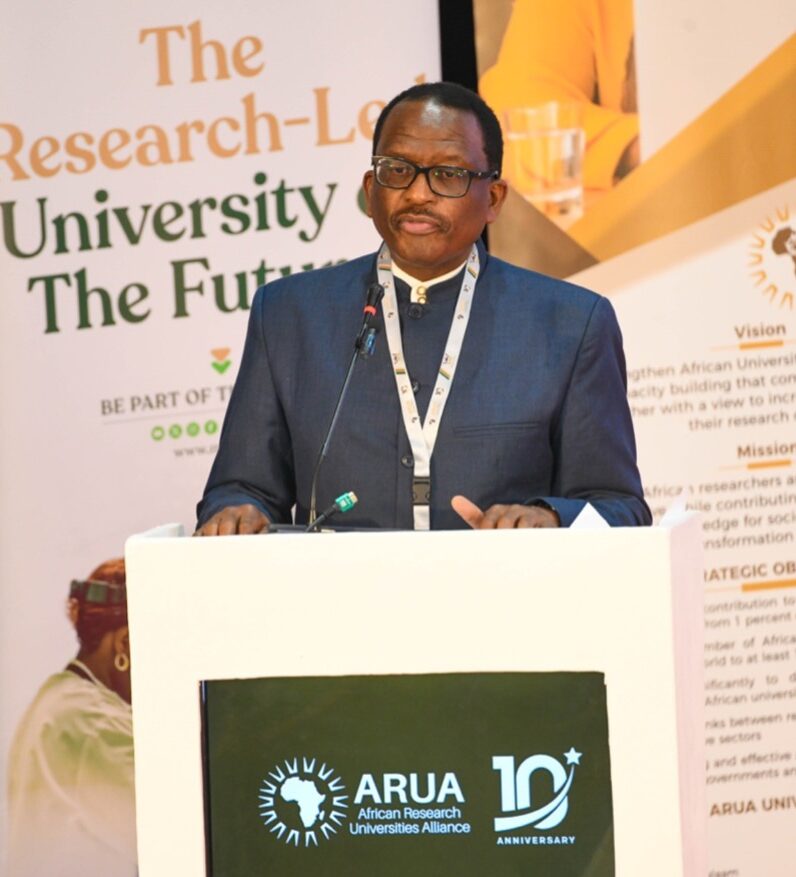
The opening day drew to a close with a cocktail reception marking ARUA’s 10th anniversary. Chair of the ARUA Board, Prof. Sizwe Mabizela, offered remarks tracing how far the network had come since its founding, charting the Alliance’s journey from a bold idea to a thriving community of Africa’s leading research universities.
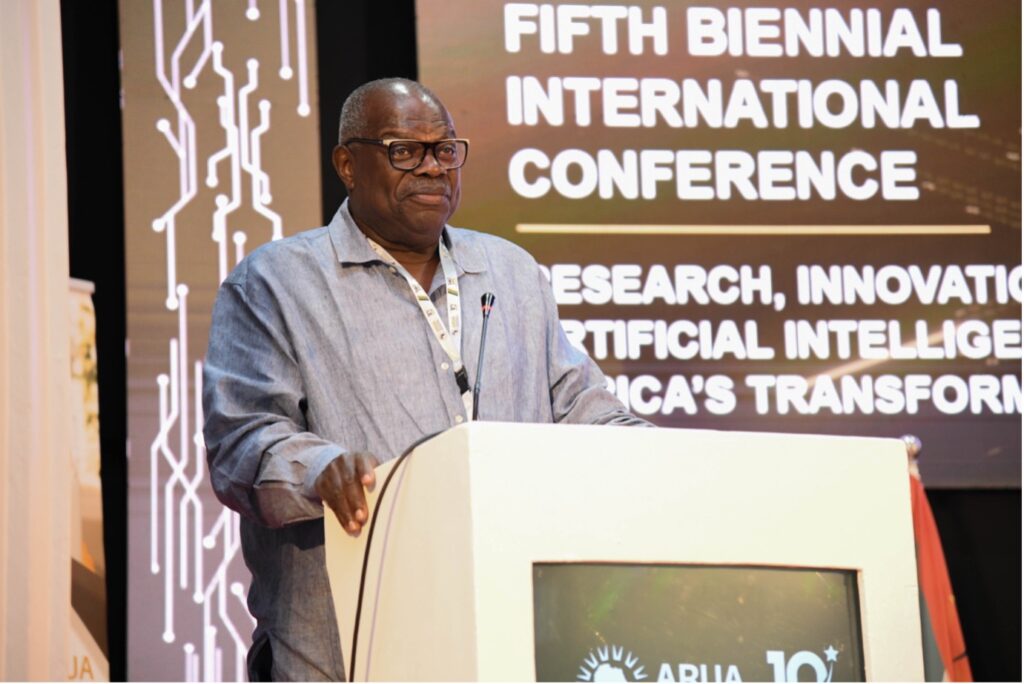
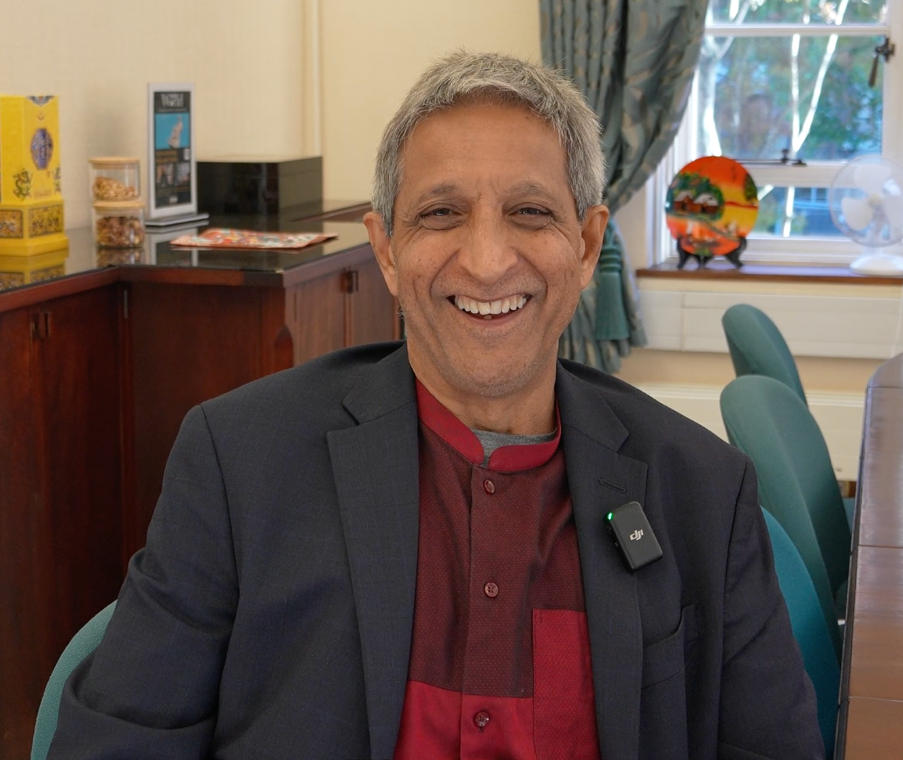
Two messages of solidarity were received on the occasion. Prof. Adam Habib, Vice-Chancellor, SOAS University of London and former Vice-Chair of the ARUA Board, sent a recorded solidarity message congratulating the Alliance on the milestone. In person, the Alliance’s founding Secretary-General, Emeritus Prof. Ernest Aryeetey, was present to deliver his solidarity message.
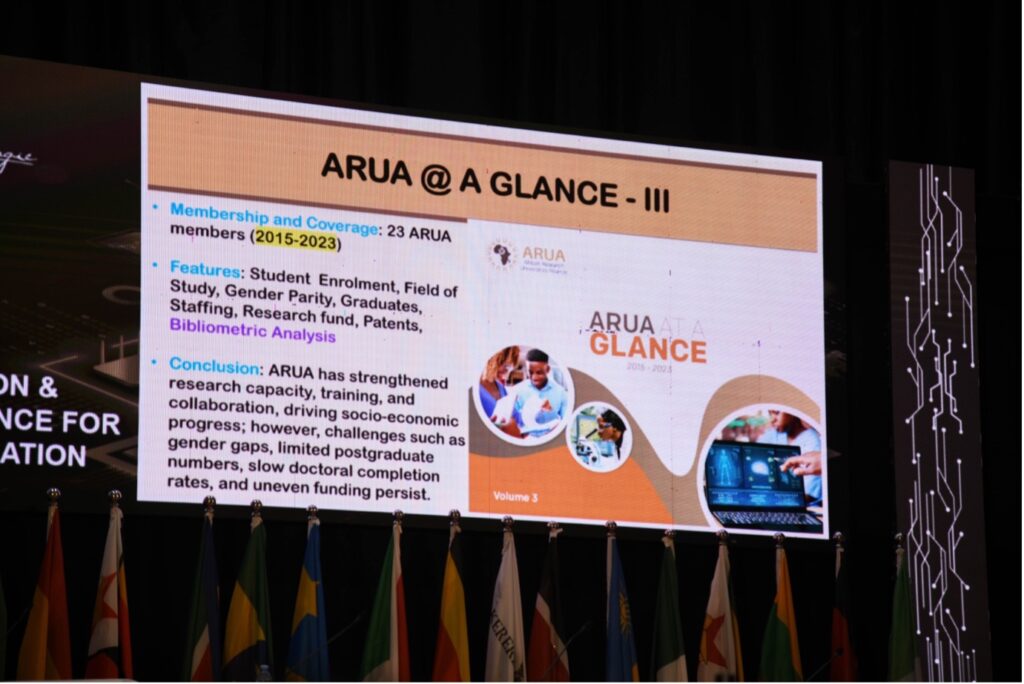
A highlight of the evening was the launch of the third volume of the research profiles report, ARUA at a Glance, performed by the Secretary-General, Prof. John Owusu Gyapong. The report presents institutional research profiles of ARUA member universities for the period 2015–2023, compiled under Phase III of the Alliance’s data-gathering and benchmarking project, sponsored by Andrew Carnegie Foundation (formerly Carnegie Corporation of New York).
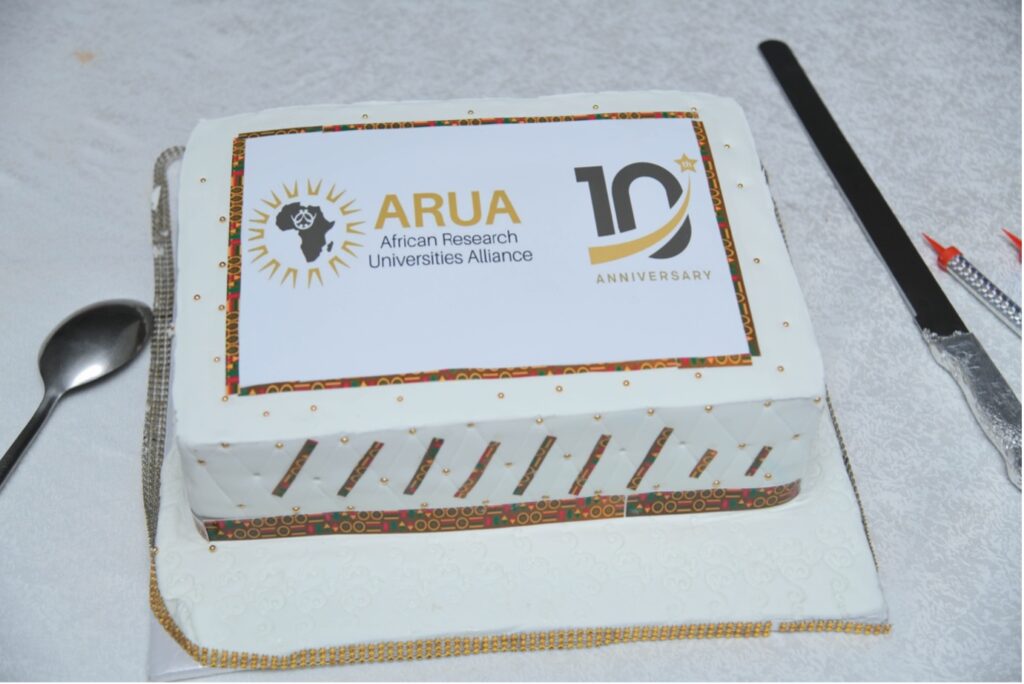
The celebrations concluded with a birthday cake, graciously provided by conference host Makerere University and cut during the cocktail in honour of the Alliance’s first decade.
Keynote Addresses
The conference featured six keynote presentations delivering critical insights on technological governance, agricultural innovation, grassroots AI, public health and poverty reduction:
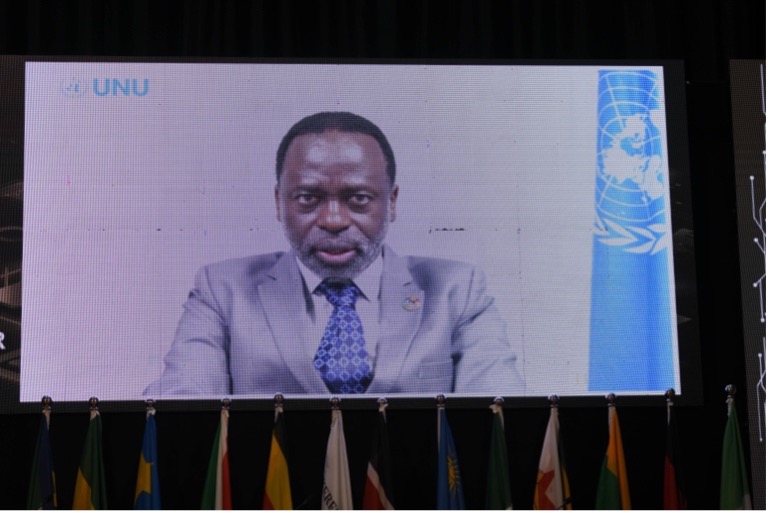
- Setting the Analytical Frame: Prof. John Owusu Gyapong, Secretary-General of ARUA, alongside a video address from Prof. Tshilidzi Marwala, Rector of the United Nations University, outlined how AI can accelerate progress towards Agenda 2063 and the UN Sustainable Development Goals. Prof. Gyapong noted that “if you don’t measure it, then you can’t even attempt to measure it,” adding that “we need to apply AI to improve our lot as a continent through our research universities taking the lead.” He also reminded participants of the African proverb that “you cannot fatten a goat on market day,” urging institutions to prepare early and act decisively.
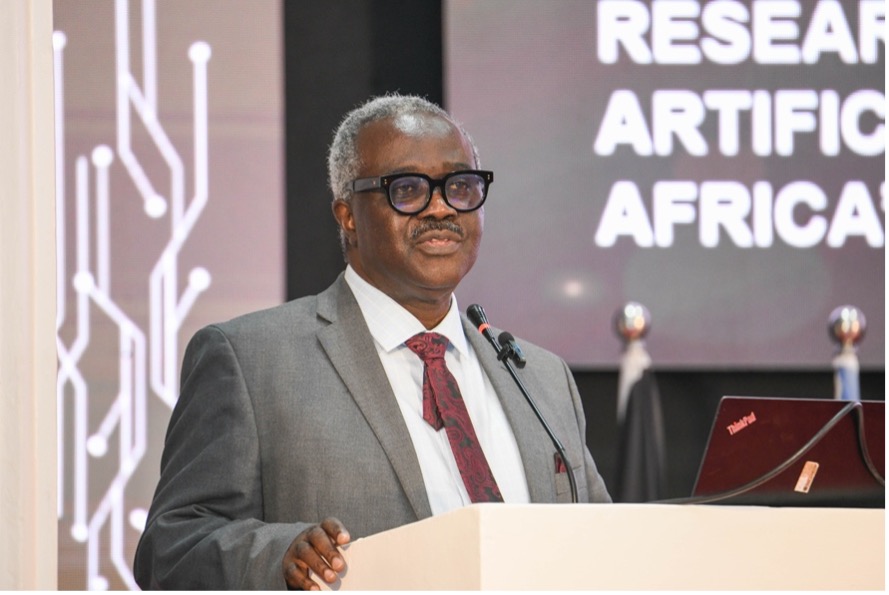
- Agricultural Transformation: Prof. Patrick Okori, Executive Director of the Regional Universities Forum for Capacity Building in Agriculture (RUFORUM), addressed harnessing developments in the agricultural sector for sustainable food security. Proposing a “Triply Green Revolution” combining advanced genetics, advanced agronomy and digitisation, he emphasised: “We can’t continue coping; we must develop science for Africa in Africa.”
- Grassroots AI and Language Sovereignty: Prof. Vukosi Marivate, ABSA-UP Chair of Data Science at the University of Pretoria, examined the power of grassroots movements and local language preservation. Highlighting initiatives such as MasakhaNER, the Pula LLM and open data licensing, Prof. Marivate declared: “My personal mission is to make sure that Africans have agency during these AI revolutions… Africa cannot become a cheap data market.”
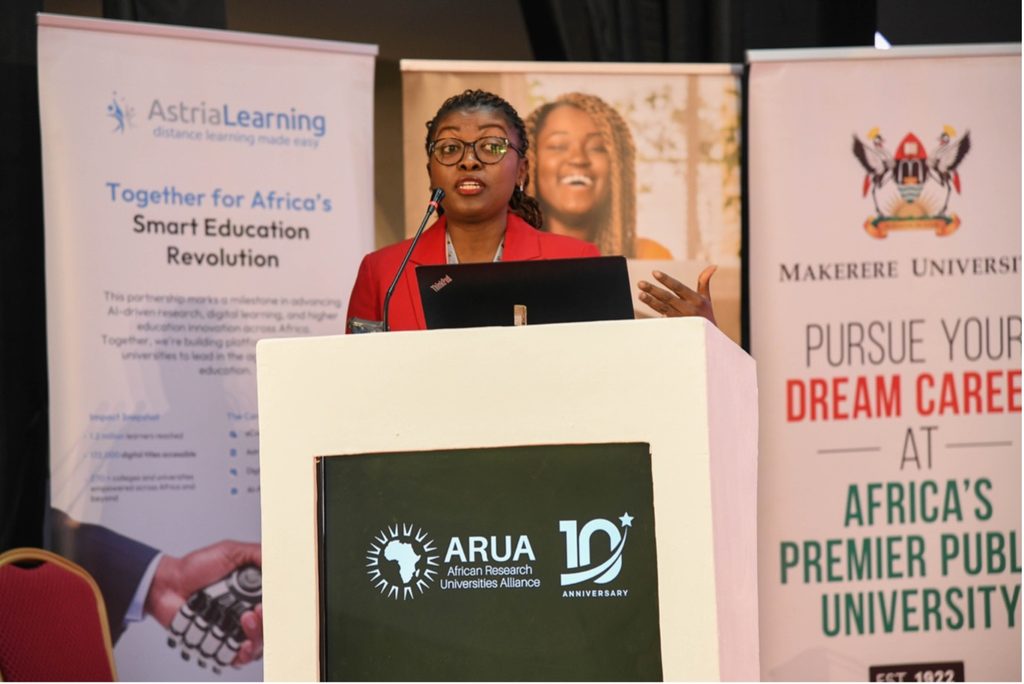
- Policy and Governance Frameworks: Adama Ibrahim, Vice-Chair of the Science for Africa Foundation, evaluated global regulatory archetypes and proposed a structured policy toolkit for African institutions. She posed the question: “What kind of policy framework will ensure that Africa does not consume AI, but defines it?” before affirming that “good policy is not a barrier for innovation; it is an essential enabler.”
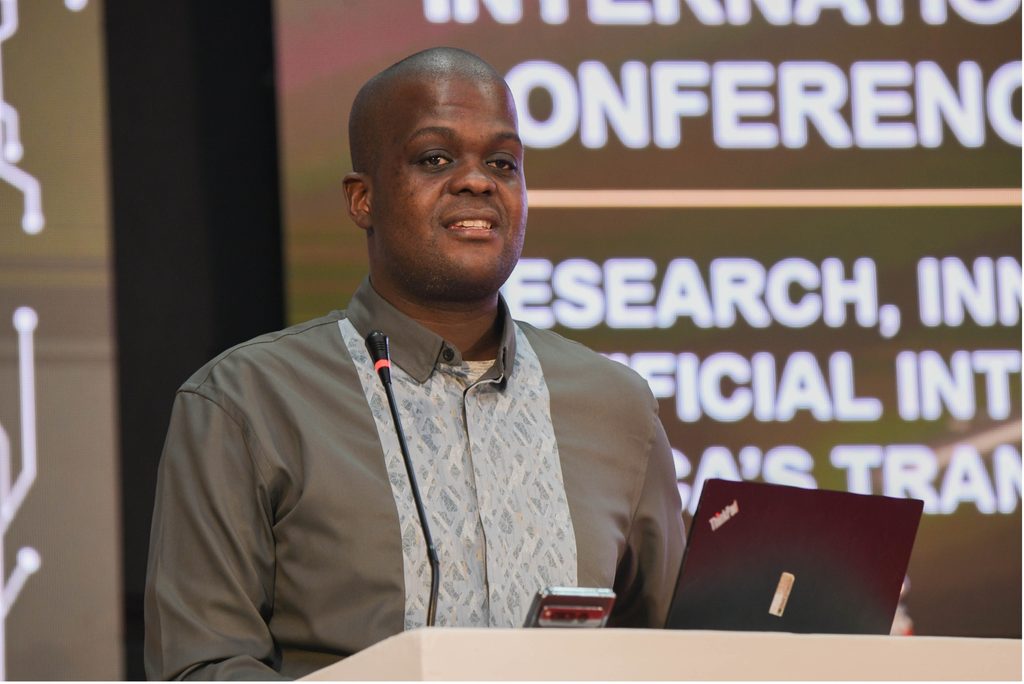
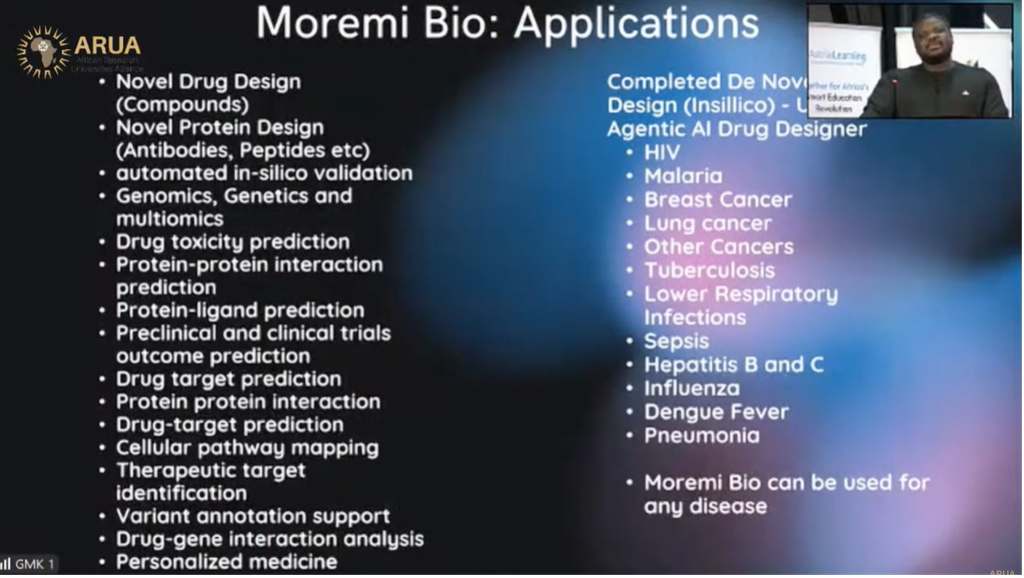
- AI in Health Delivery and Biological Research: Darlington Akogo, Founder and CEO of minoHealth AI Labs, presented Mori AI, a multimodal foundation model driving automated clinical report generation, diagnostic screening and de novo drug discovery for diseases such as malaria and HIV. He observed: “We are living in the most exciting time in human history… We don’t fight it, we need to embrace it, we need to leverage it as researchers.”
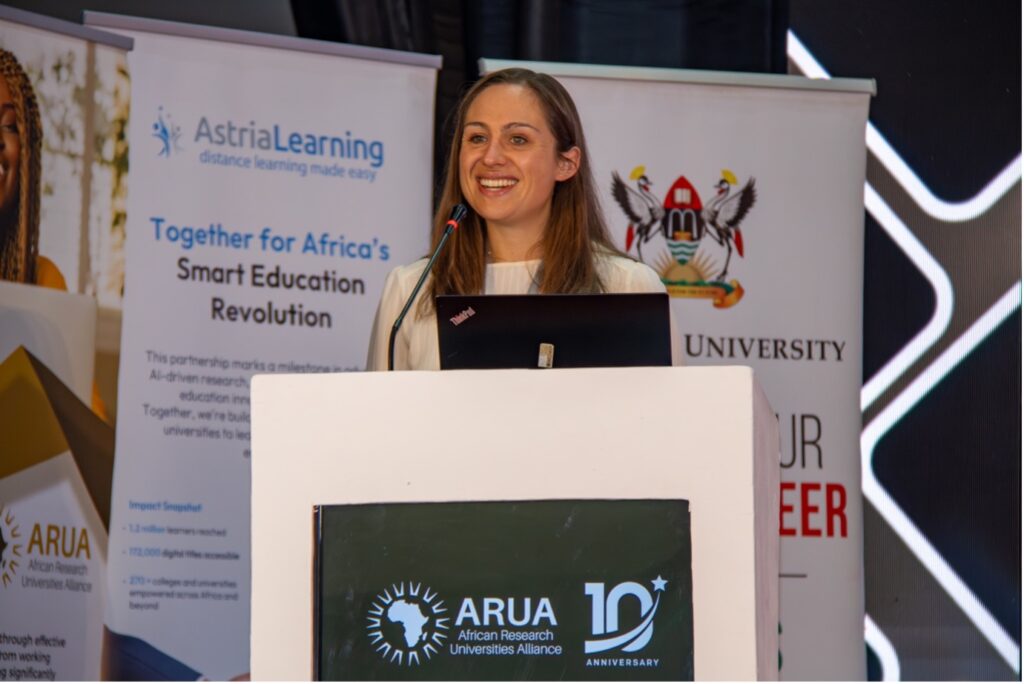
- Poverty Reduction and Impact Evaluation: Samantha Carter, Senior AI Policy Manager at J-PAL Global (MIT), discussed the application of AI to social policy and poverty alleviation. Citing randomised evaluations across targeting, public administration and education, she cautioned that “history shows us that new technologies and new capacities are rarely the full answer on their own when it comes to solving real challenges in the real world.”
Roundtable Discussions
The conference convened three high-level plenary roundtables addressing systemic themes across higher education.
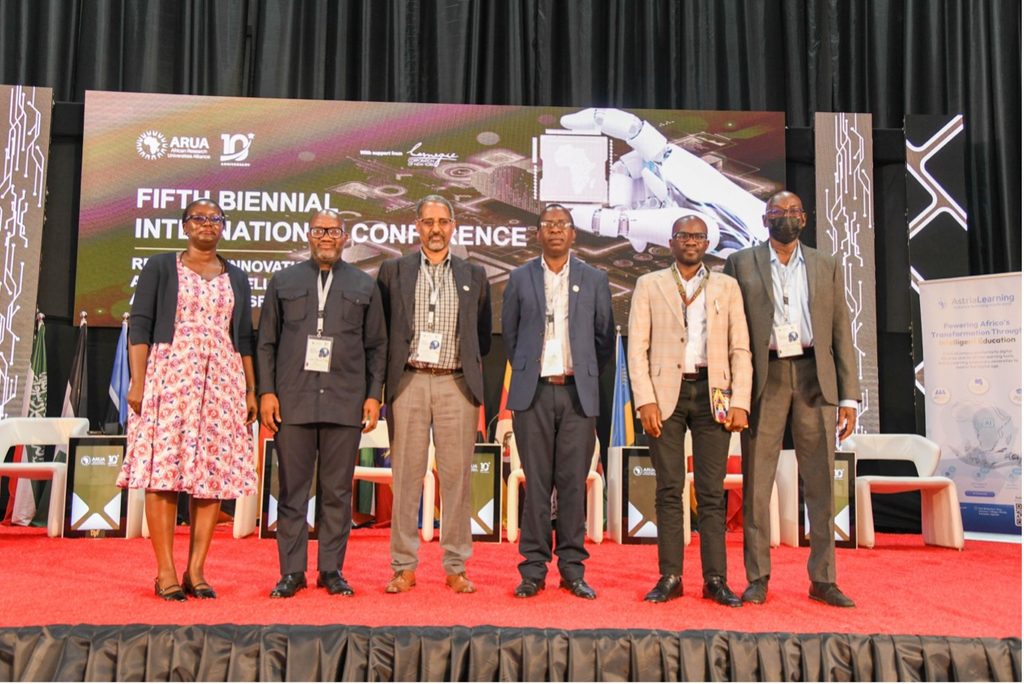
1. Advancing Responsible AI Ecosystems in African HEIs. Chaired by Prof. Sizwe Mabizela, panellists including Prof. Bolanle Oboh (University of Lagos), Prof. Didas Muganga Kayihura (University of Rwanda), Prof. Mosa Moshabela (University of Cape Town) and Prof. Sanjeev Kumar Sobhee (University of Mauritius) explored institutional readiness. Discussions centred on developing high-performance Graphics Processing Units (GPU) clusters, integrating AI literacy across all academic disciplines, pairing technical training with humanities and ethics, and establishing regional ARUA Centres of Excellence to share infrastructure costs.
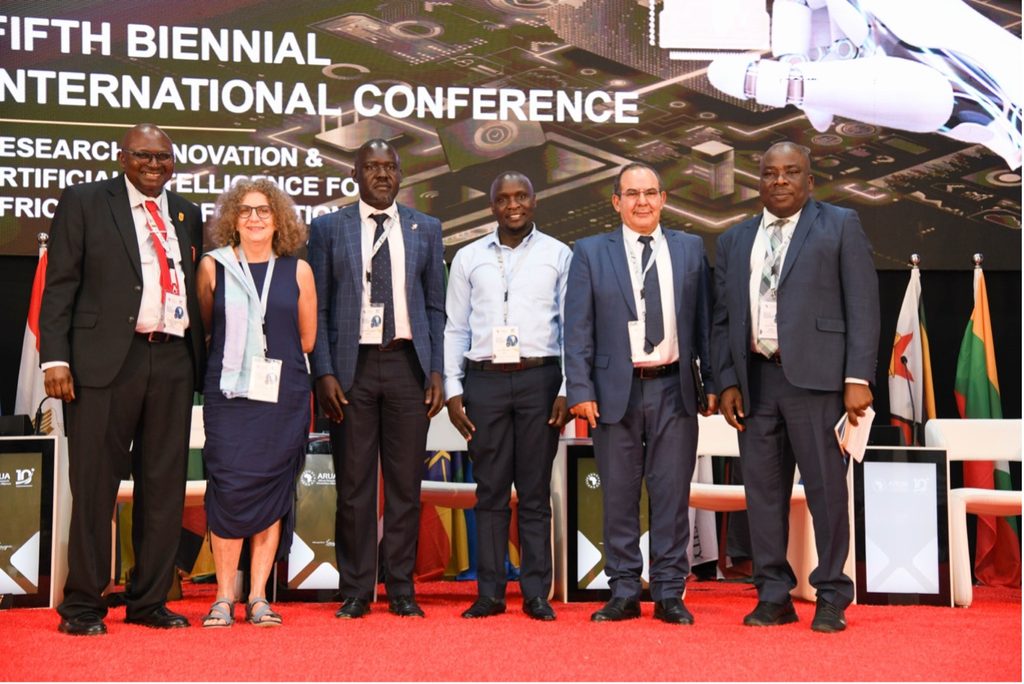
2. Promoting Collaborative Research and Innovation Networks in AI in Africa. Moderated by Prof. Kayode Oyebode Adebowale, Vice-Chancellor of the University of Ibadan, panellists including Prof. Sharon Fonn (CARTA), Prof. Anthony Egeru (RUFORUM), Mr Jim Kaketch (PASGR), Prof. Margaret Jesang Hutchinson (University of Nairobi) and Dr Rachid Serraj (Mohammed VI Polytechnic University) examined continental linkages. Key outputs highlighted the CARTA Evidence research tracking platform, adapting AI crop models to smallholder multi-crop farming, reforming university reward systems beyond journal citations, and scaling peer-to-peer digital farming schools.
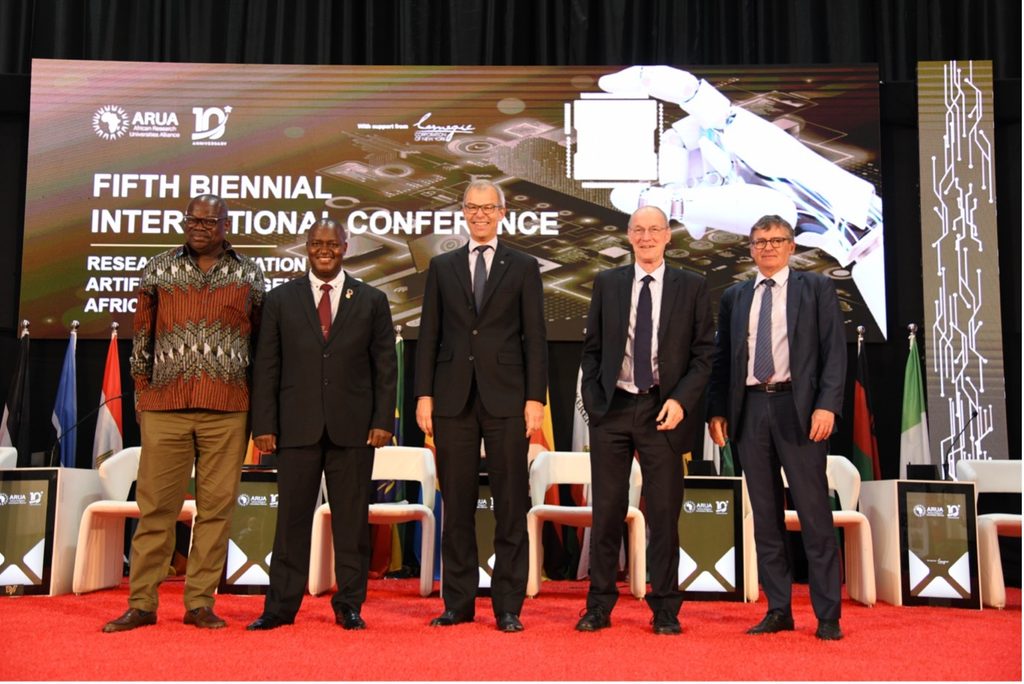
3. Engaging International Collaborative Networks. Moderated by Emeritus Prof. Ernest Aryeetey, founding Secretary-General of ARUA, panellists Dr Laurent Bochereau (EU Delegation to the African Union), Prof. Jan Palmowski (The Guild of European Research-Intensive Universities), Prof. Jenny Dixon (Universitas 21), Prof. Peter Lennie (Worldwide Universities Network) and Prof. Samuel Tshehla (Stellenbosch University) evaluated global partnerships. Deliberations highlighted Horizon Europe funding instruments, the Africa-Europe Clusters of Research Excellence (CoRE), joint early-career researcher seed grants, and strategies promoting “brain circulation” over brain drain.
Special Panel of the O.R. Tambo Research Chairs Initiative
Chaired by Prof. Joyce Nakatumba-Nabende (Makerere University), a special panel convened chair holders of the O.R. Tambo Research Chairs Initiative to demonstrate applied research driving continental transformation. Chair holders presented multi-disciplinary applications of AI and computational science:
- Ecological Restoration and Environmental Monitoring: Prof. Mengistu Tsidu (University of Botswana) and Prof. Almeida Sitoe (Eduardo Mondlane University) detailed the use of AI for tracking climate adaptation, forest degradation and environmental change.
- Agricultural Value Chain Traceability: Prof. Firibu Saalia (University of Ghana) introduced a digital mobile application utilising QR codes to establish end-to-end traceability across the palm oil value chain, connecting smallholders directly to commercial processors.
- Accelerated Drug Discovery and Commercialisation: Prof. Hulda Swai (Nelson Mandela African Institution of Science and Technology, Tanzania) shared advances in computational and materials science approaches to health innovation, including the translation of research into university biotech spin-offs serving hospitals across Tanzania.
Parallel and Special Sessions
The parallel programme ran across Days 1 and 2, structured into four primary session blocks, with a dedicated block of ARUA Centres of Excellence (CoE) workshops and poster sessions on Day 3. In total, the proceedings featured 20 thematic parallel paper sessions — operating across five concurrent streams per block — alongside four special sessions. The thematic sessions captured seven core sub-themes: advancing responsible AI ecosystems in African higher education institutions; applying AI in research and innovation; building AI capacity and talent; improving science and technology infrastructure; promoting collaborative research networks; driving continental transformation; and investing in AI for Africa’s development. Overall, the core sessions included 76 paper presentations and 25 poster presentations. The special sessions explored specialised interdisciplinary fields, including quantum science, Afro-feminism for AI, creative economies, and AI applications in pharmaceutical drug formulation.
CoE Workshops for Early-Career Researchers & Side Event
Reflecting ARUA’s investment in the next generation of African scholars, the conference dedicated Day 3 to workshops for early-career researchers organised by the ARUA Centres of Excellence (CoEs). The CoEs convened ten thematic workshops across their research areas: Unemployment and Skills Development; Inequality Research; Post-Conflict Societies; Notions of Identity; Urbanisation and Habitable Cities; Climate and Development; Water; Non-Communicable Diseases; Materials, Energy and Nanotechnology; and Energy. The sessions examined questions central to the conference theme — from whether AI-driven automation will create or destroy jobs, to decolonising AI for African identity, and the opportunities and challenges for early-career researchers applying AI and machine learning to climate change, water research and renewable energy development.
Running alongside the workshops, the International Research & Exchanges Board (IREX) held an official side event. Research presented during the parallel sessions also highlighted the impact of the IREX University Administration Support Program (IREX-UASP).
Policy Roundtable and Wrap-Up
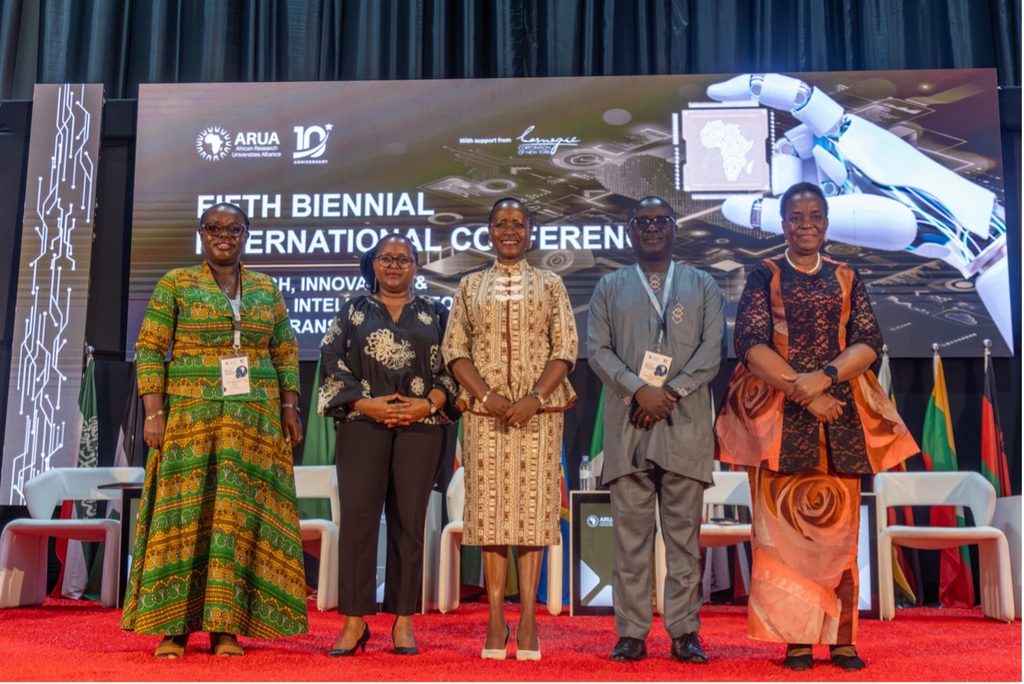
The final Policy Roundtable and Wrap-Up, chaired by Prof. Nana Aba Appiah Amfo (Vice-Chancellor, University of Ghana; Vice-Chair, ARUA Board), with panellists including Dr Nomakwezi Mzilikazi (Rhodes University), Prof. Francis Peterson (University of Pretoria), Prof. Sarah Ssali (Makerere University and Director, ARUA CoE Notions of Identity), Prof. Francesco Petruccione (Co-lead, Africa-Europe CoRE AI) and Prof. Oluyemisi Bamgbose, SAN (University of Ibadan), synthesised strategic takeaways to guide continental policy:
- Mandatory institutional AI policies. Universities must formulate comprehensive AI policies that enforce ethical standards, human oversight, data privacy and academic integrity.
- Data sovereignty and decolonising knowledge. Institutions should adopt custom, equitable data licences to protect local datasets, centre indigenous knowledge and prevent digital colonialism.
- Shared high-performance infrastructure. Member universities must pool resources to establish regional AI Centres of Excellence, shared supercomputing clusters and big data repositories.
- Reward system reform. Higher education governance must update academic promotion criteria to reward patents, open-source software releases and direct community impact alongside traditional journal publishing.
- Ecosystem and quadruple-helix collaboration. Scaling AI from pilot projects into national systems requires sustained collaboration between academia, government, private industry and civil society.
Closing Remarks
In the closing ceremony, Prof. John Owusu Gyapong, ARUA Secretary-General, expressed profound appreciation to the host university, organising committees and delegates, and officially announced that the 6th ARUA Biennial International Conference will be hosted by Rhodes University in Makhanda, South Africa, from 27 to 29 October 2027, under the theme “Building Resilient Futures Through Knowledge and Innovation.”
Expressing pride in the conference proceedings, Prof. Barnabas Nawangwe affirmed Makerere University’s commitment to technological leadership, stating: “Seeing what has happened here… I’m very confident that Africa will never be left behind again. Not only should we not be left behind, but we should take the lead.”
In his final closing address, Prof. Sizwe Mabizela, Chair of the ARUA Board, emphasised human-centred stewardship and self-determination: “The true goal of empowerment is to augment human creativity and wisdom, not to diminish or displace it… Unless and until the African continent takes full charge of its destiny and breaks free from the persistent chains of dependency, our aspirations for a prosperous, self-reliant and dignified Africa will remain an elusive dream. The time for Africa’s transformation is now.” With those words, Prof. Mabizela officially declared the conference closed.
ARUA acknowledges the Andrew Carnegie Foundation (formerly Carnegie Corporation of New York) for its generous funding support and Makerere University for hosting this landmark event.


