Bridging Africa’s Health and Research Gaps: Lessons and Priorities for African Universities

Africa’s biomanufacturing ambitions depend on more than production facilities. They require universities that can train scientists and sustain indigenous research, a central challenge linking the fourth ARUA Annual Distinguished Public Lecture and the launch of the ARUA Research Profiles Report (2015–2025), supported by the Andrew Carnegie Foundation. Hosted by the University of Rwanda, the hybrid gathering brought senior academic leaders, policymakers and scholars together in person and online to examine the connections between health innovation and research capacity.
The lecture examined how innovation, capacity building, and regional collaboration could address Africa’s health-system gaps, while the report brought a complementary institutional perspective, highlighting the funding, postgraduate training and gender gaps that universities must address to strengthen their research contribution. Together, the discussions connected the continent’s health ambitions with the capacity of its universities to deliver the expertise and research needed to advance them.
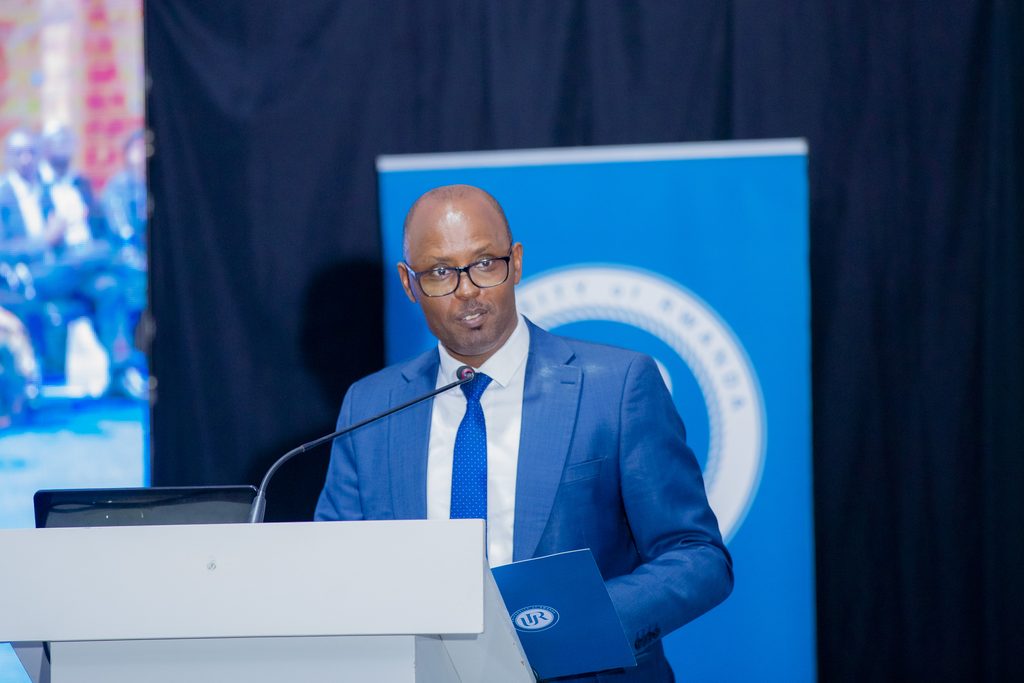
Welcoming participants as host and Chair, the University of Rwanda’s Vice-Chancellor, Professor Kayihura Muganga Didas, situated the gathering within ARUA’s commitment to pooling institutional strengths to advance African research excellence. The lecture’s theme, he said, “could never be more timely,” noting that “Africa’s reliance on imported health technologies exposes vulnerabilities in health security,” as the COVID-19 pandemic had demonstrated.
Disrupting the 1% Paradigm: Biomanufacturing and Health Security
Delivering the public lecture on “Innovations and Capacity Building in Biomanufacturing to Address Health System Gaps in Africa”, pioneering physician-scientist Professor Leon Mutesa presented a stark disruptive argument: the continent’s systemic vulnerability stems from severe import dependency, with Africa currently manufacturing only 1% of the vaccines it consumes.
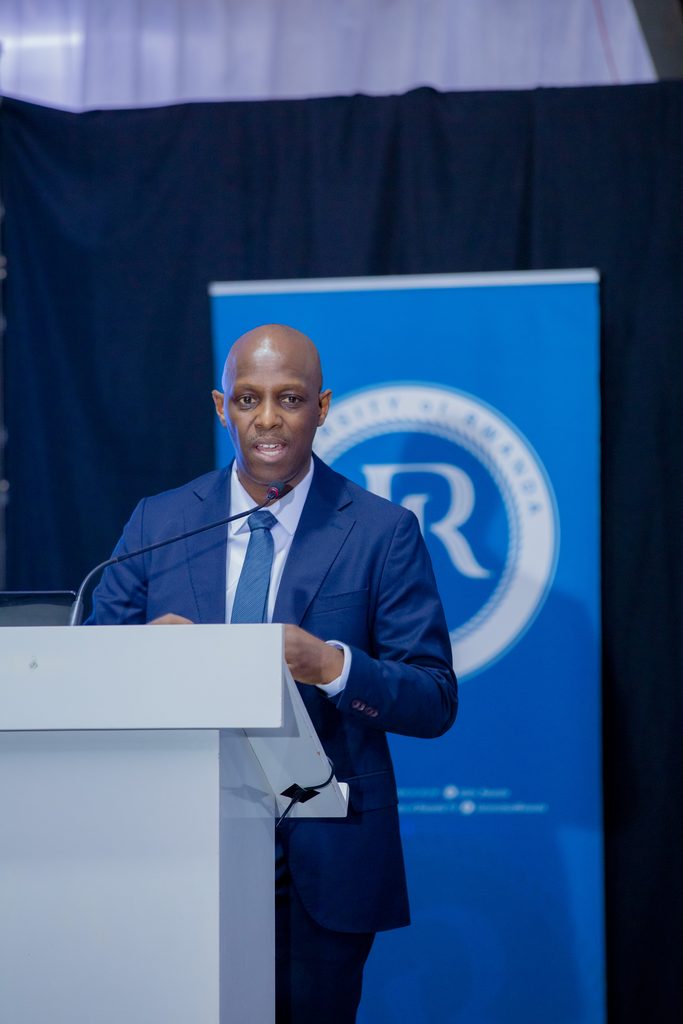
Pointing to the acute disruptions exposed by the COVID-19 pandemic, Professor Mutesa argued that true health security requires an end-to-end local ecosystem spanning genomics, clinical trials, regulatory alignment, and mRNA biomanufacturing. Reflecting on Rwanda’s recovery journey following the 1994 genocide against the Tutsi, he showcased how targeted investments in human capital and genomic infrastructure allowed local researchers to lead groundbreaking studies on transgenerational epigenomics in trauma survivors, while rapidly establishing local MRNA and vaccine development frameworks in partnership with international bodies.
Aligning this vision with ARUA’s foundational mission — to aggregate institutional resources across peer universities to build indigenous research excellence — Professor Mutesa outlined four critical pillars for continental self-reliance: human capacity building, biomanufacturing innovation, strategic partnerships, and regional collaboration. “We can’t achieve this alone. That’s why we have ARUA… to see in which programs we can contribute together,” he emphasized.
Scientific Resilience, Data Protection, and Regional Action
The lecture session sparked energetic exchange during the panel and Q&A, surfacing crucial debates around scientific grit, funding equity, and pan-African data protection. Addressing young academics, Professsor Mutesa revealed that over 15 years he authored 160 grant proposals, securing 34 awards — a 24% success rate that nevertheless mobilized over $45 million for Rwandan research and trained more than 140 graduate scholars. “Failure is not a bad thing… never give up, because it pays back,” he urged. “You get rejected, you get frustration, depression, but you don’t give up,” he said.
His evidence came from crisis response. Facing COVID-19 with 2,500 test kits for fourteen million people, his team developed pooled testing — published in Nature, adopted by South Africa, Ghana and Tanzania — scaling national testing from 150 to 10,000 a day. During the 2024 Marburg outbreak, genomic sequencing and rapid case management — a “seven steps in seven days” approach — helped hold the outbreak to 66 cases and 15 deaths, alongside a candidate-vaccine trial enrolling about 1,700 subjects
Deliberations also highlighted key moments of friction and consensus regarding external exploitation of African biological assets. Delegates raised warnings over Western pharmaceutical entities seeking African genomic data for commercialisation, reaching strong consensus that genomic data and analytical capacity must remain anchored within African institutions.
Asked how ready Africa is for the next pandemic, he was blunt: “We can’t say we are ready. We always want to be ready.” On government funding, he said he could not specify the domestic share. The exchange prompted offers of partnership, giving ARUA’s collaboration agenda practical expression — clinical-trials facilities from the University of Lagos, and a proposed African genome-sequencing partnership from the University of KwaZulu-Natal for cross-institutional research mobility.

Furthermore, in response to queries regarding current regional health crises such as Ebola in the Democratic Republic of Congo, panellists confirmed that member universities are actively pooling specialised infrastructure to support cross-border disease surveillance. The Secretary-General of ARUA, Professor John Gyapong, added that ARUA was working with the International Vaccine Institute to seek biomanufacturing funding, with member universities envisaged as centres for training and capacity development, including industrial placements. “We need eventually to take care of ourselves,” he said
Benchmarking a Decade of Research: The 2015–2025 Universities Profiles Report
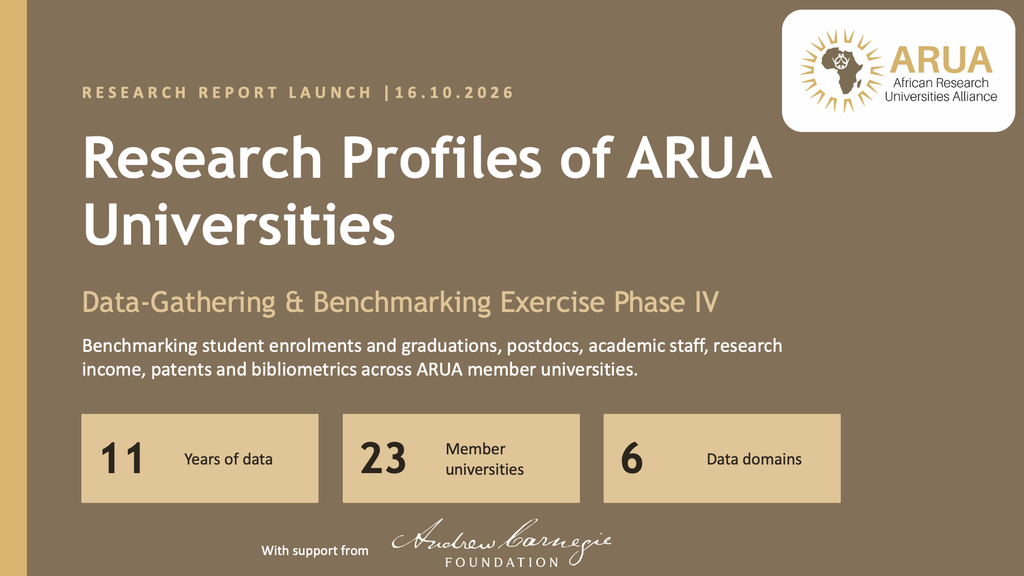
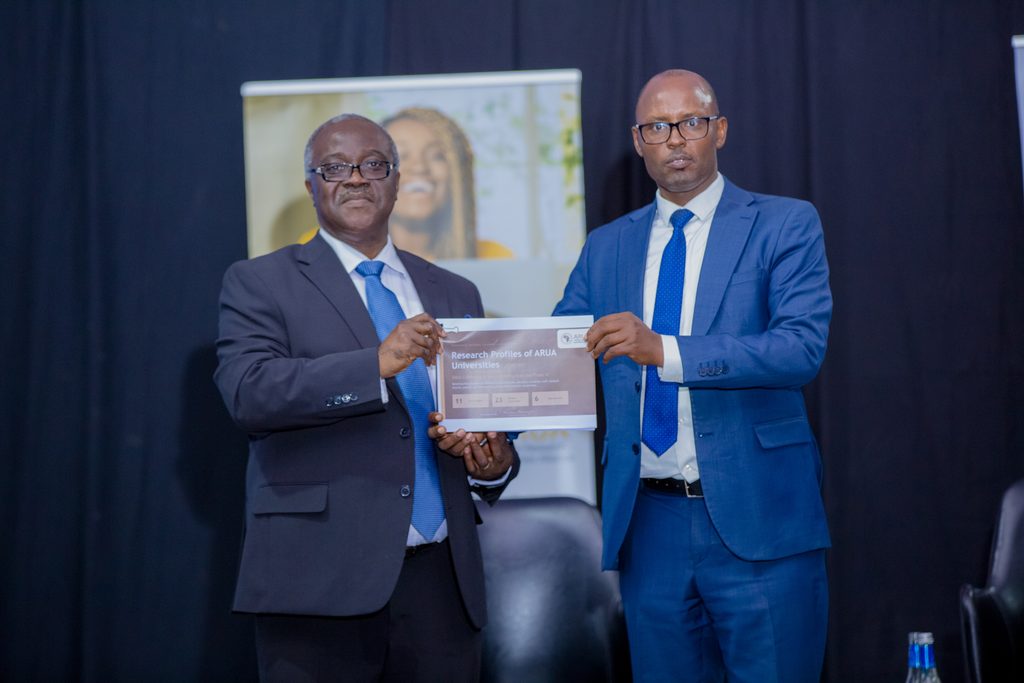
Transitioning seamlessly from health security to institutional strategy, Professor Gyapong officially launched ARUA’s 4th Research Profiles Report (2015–2025), benchmarked across its member universities. Capturing a massive footprint of over 1.2 million students, 280,000 postgraduate candidates, 6,000 doctoral students, and 57,000 academic staff, the report tracks institutional performance across six core data domains.
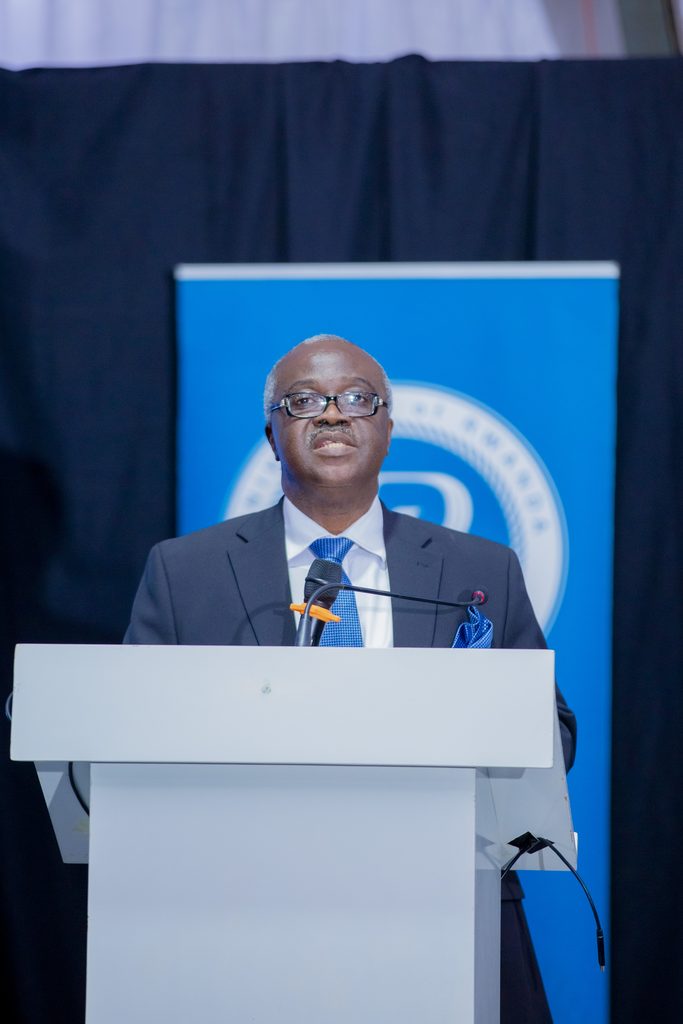
While total doctoral outputs across the alliance have doubled to approximately 300,000 graduates, Professor Gyapong issued an urgent call to action regarding the continent’s narrow postgraduate pipeline. Most member institutions remain overwhelmingly undergraduate-heavy. “How do we as research-intensive universities focus on graduate training, doctoral training, master’s training, which we believe is the area of innovation to catapult Africa to solve our problems in the next generation?” Professor Gyapong challenged the assembly.
Funding Paradigms, PhD Success, and Gender Parity
The benchmark report highlighted a direct correlation between research grant attraction and doctoral completion rates. Notably, the University of Rwanda achieved a 100% timely PhD completion rate, attributed directly to every candidate receiving full grant funding. To replicate this success across non-health disciplines, Professor Gyapong advocated for systemic funding reforms: “We need to clone a lot more Professor Mutesas in the other fields — not only in the health sciences, but in the humanities, in agriculture, and the natural sciences — so that we get a lot more grants to ensure completion of our PhDs”.
The report also confronted sharp regional disparities and gender gaps. While South African member universities and Morocco’s UM6P lead significantly in postdoctoral fellowships, institutions in East and West Africa lag behind. Furthermore, with female representation among academic staff ranging from 26% at the University of Rwanda to 57% at Wits University, this institutional divide is already deeply established in the postgraduate pipeline, where at institutions like the University of Rwanda, roughly three men sit in doctoral training for every woman. “We haven’t gotten there yet,” the Secretary-General acknowledged, though he added: “I’m very hopeful that over the next 5 to 10 years, we will completely break the gap.” Deputy vice-chancellors swapped remedies, from family-friendly policies to the University of Dar es Salaam’s talent-development scheme dividing places equally between women and men.
Looking beyond the gains recorded in the report, the Secretary-General identified a collective priority for the Alliance: extending its impact beyond its 23 member universities by creating opportunities for other African institutions to strengthen their research capacity. He encouraged universities to interrogate the report’s findings, which is available online, to guide their own institutional improvement.
Institutional Commitment and Send-Off
Closing the day, the Vice-Chancellor, Professor Kayihura thanked ARUA’s leadership for entrusting the University of Rwanda with the gathering and reaffirmed its commitment to research capacity building, which was recently recognised with a US$3 million Mastercard Foundation award for its work transforming health systems. The measure of that research, he insisted, “is not simply going to be counting the numbers of grants or even counting how much we have attracted in the country… but also in how much we have responded to resolving the local problems.”
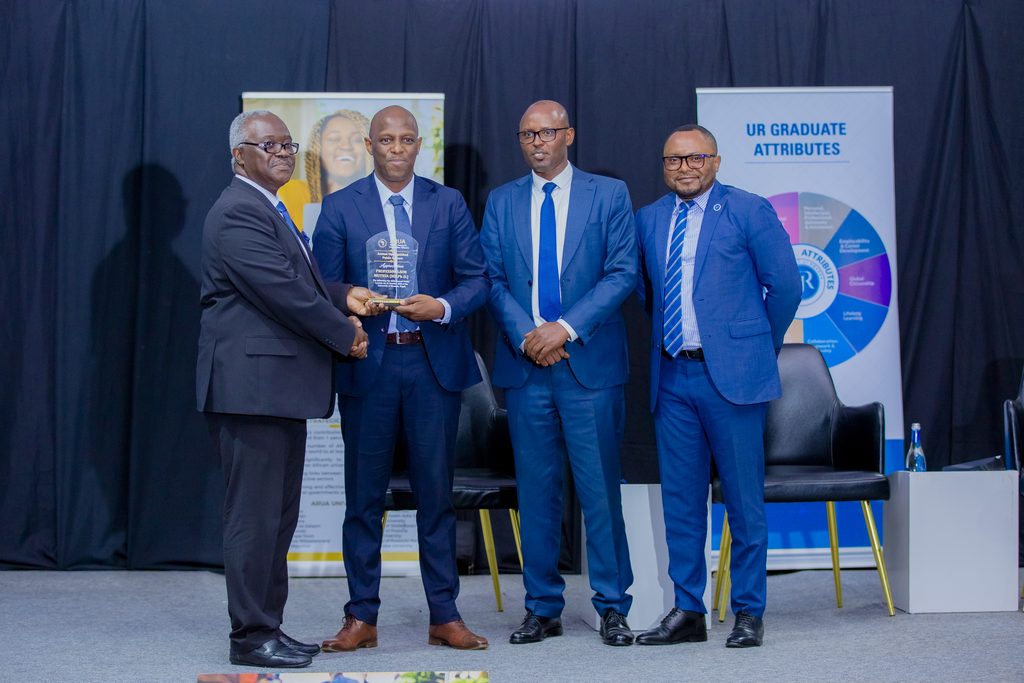
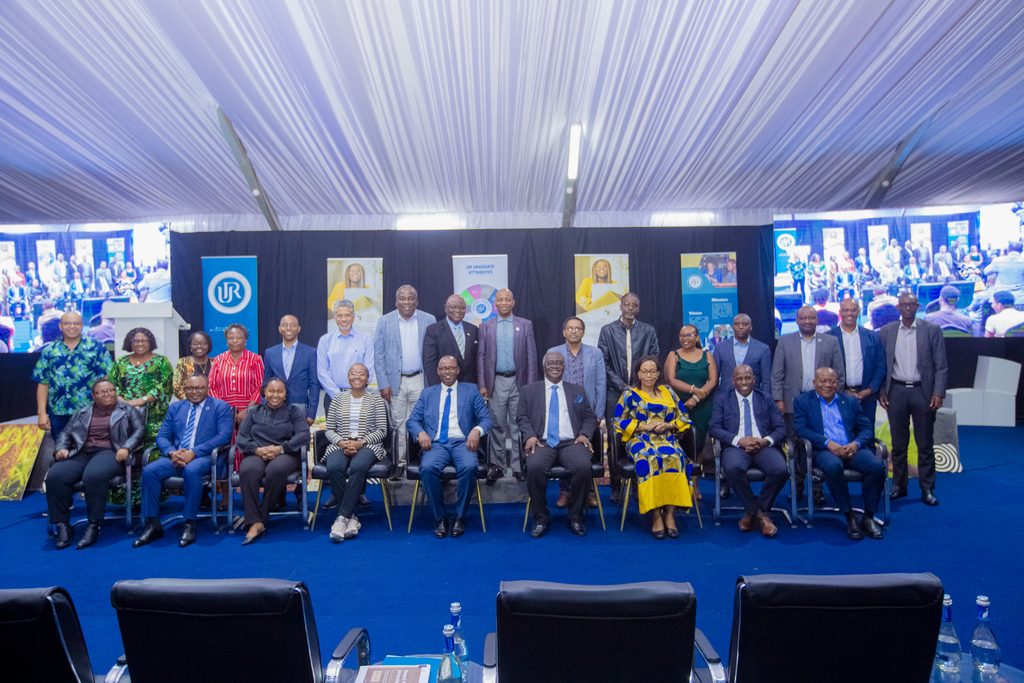
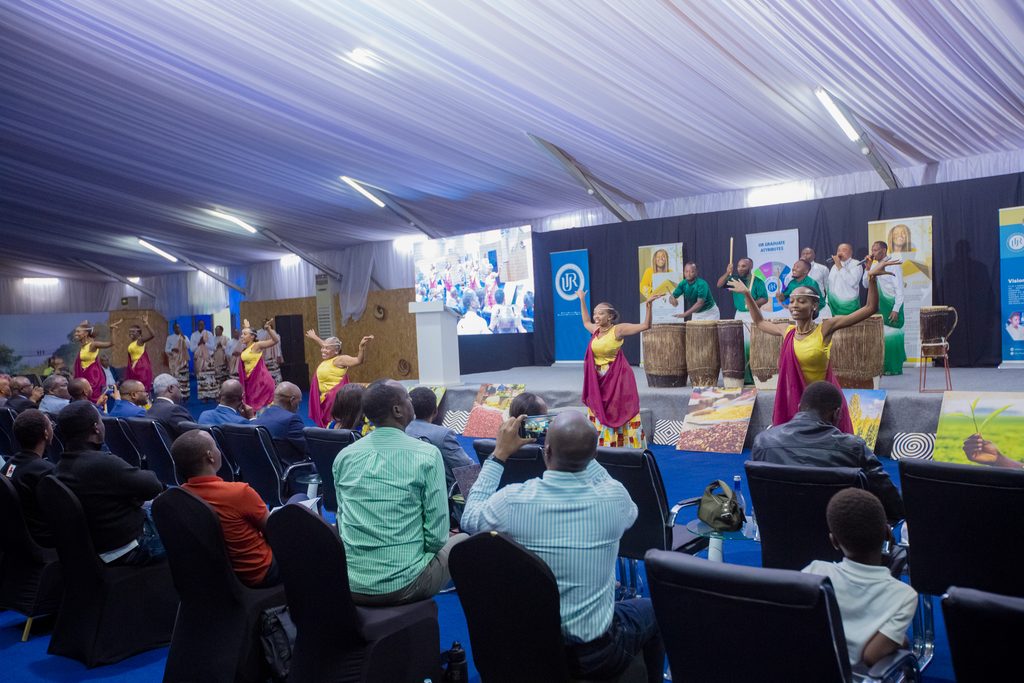
Photo credit: IGIHE.com (by Max Masha)


