ARUA Convenes Inaugural Regional Workshop to Strengthen Capacity of Early-Career Researchers

The African Research Universities Alliance (ARUA) convened a three-day Early-Career Researchers (ECR) Workshop last week, bringing together early-career scholars and experienced facilitators from across the continent to strengthen research capacity, mentorship, and collaboration among Africa’s next generation of research leaders.
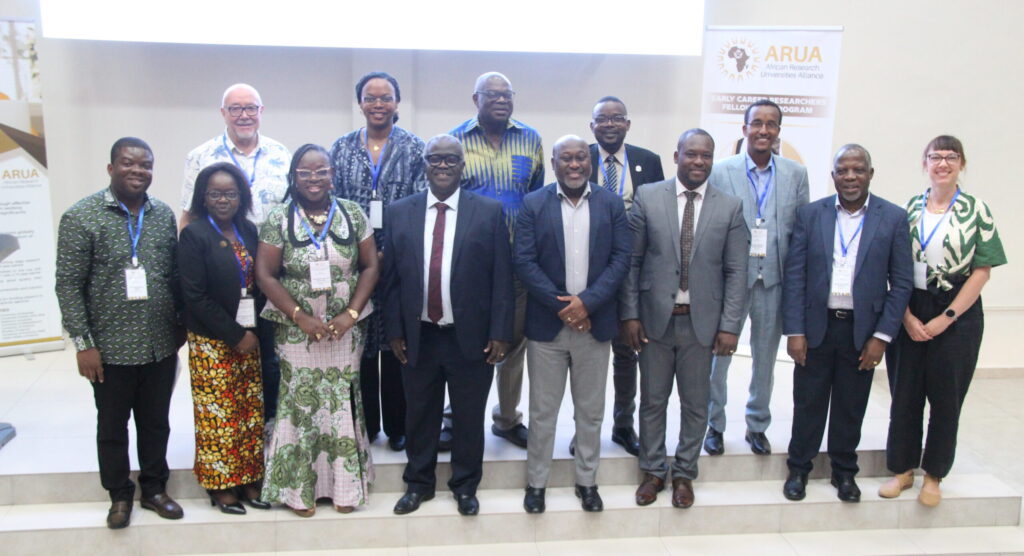
The workshop, which was held at the Legon Centre for International Affairs and Diplomacy at the University of Ghana from January 28 – 30, 2026, brought together 34 Early-Career Research Fellows from 11 African countries—Ghana, South Africa, Kenya, Nigeria, Tanzania, Ethiopia, Uganda, Zimbabwe, Cameroon, Madagascar, and the Democratic Republic of Congo. They were supported by five facilitators drawn from four African countries—South Africa, Kenya, Nigeria, and Ethiopia—alongside local facilitators from the University of Ghana (UG) and the University of Health and Allied Sciences (UHAS).
Opening and Strategic Context
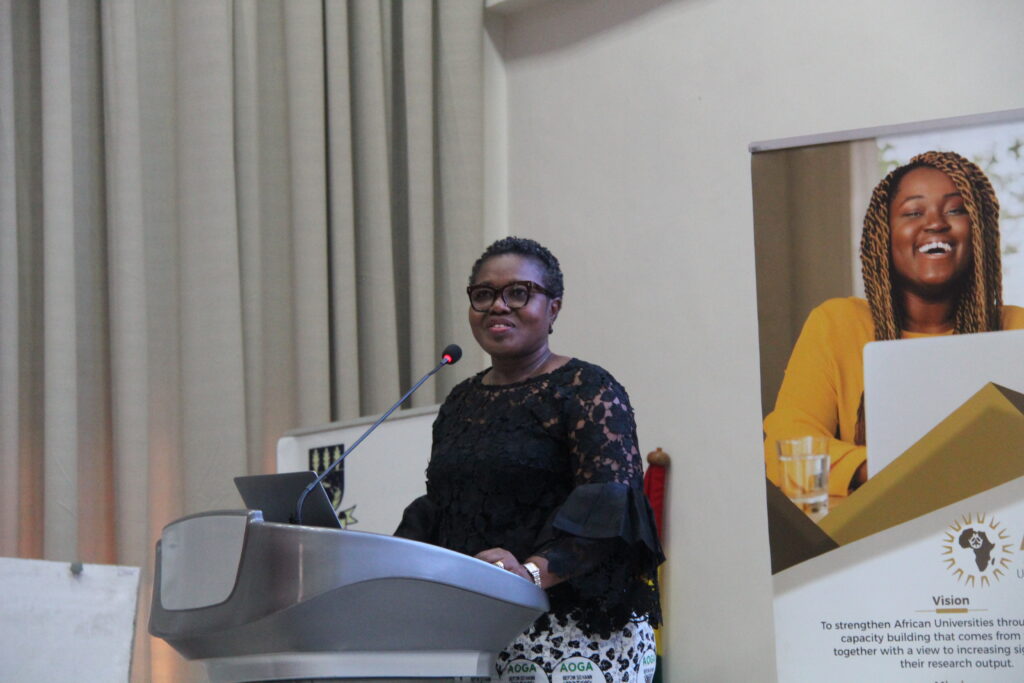
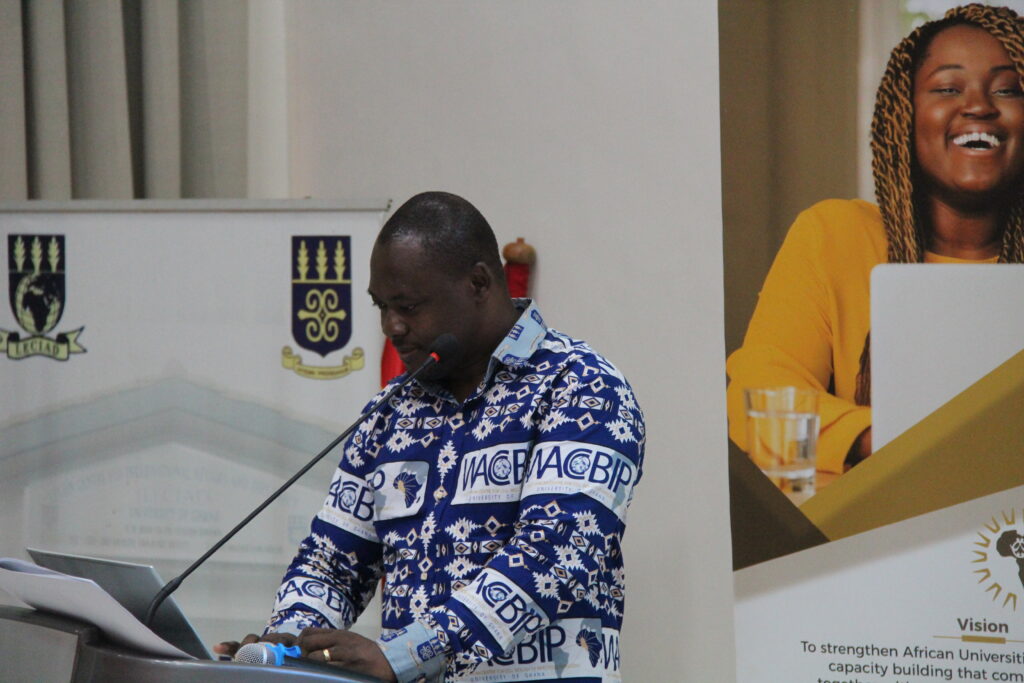
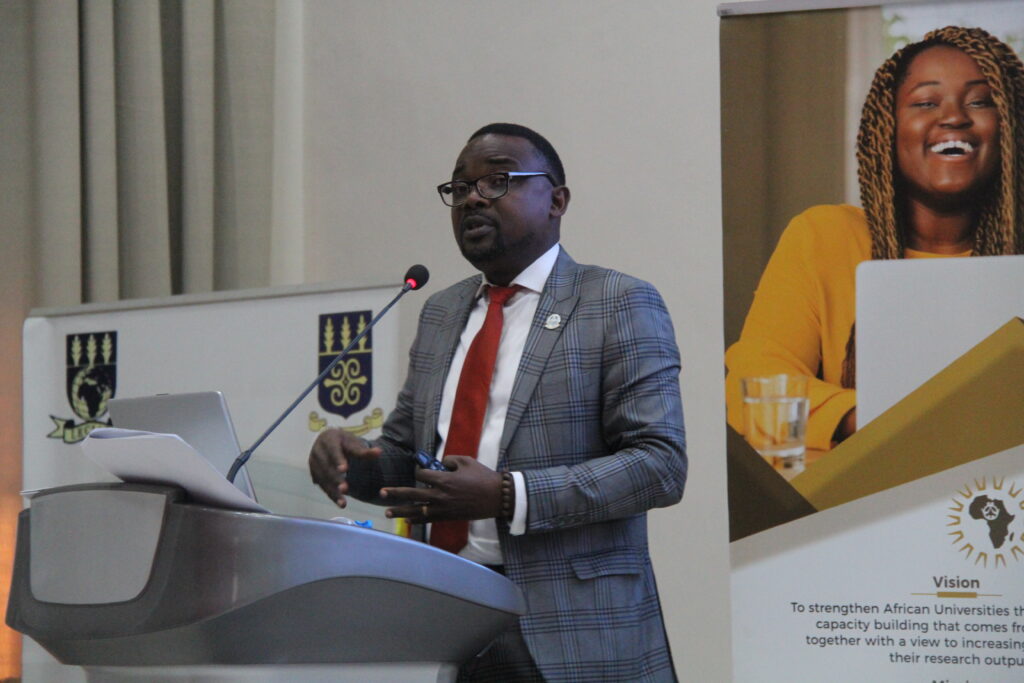
The workshop opened with welcoming remarks from Prof. John Gyapong, Secretary-General of ARUA, who reaffirmed the Alliance’s mission to strengthen African universities and enhance the global competitiveness of African researchers through collaboration, mentorship, and research excellence.
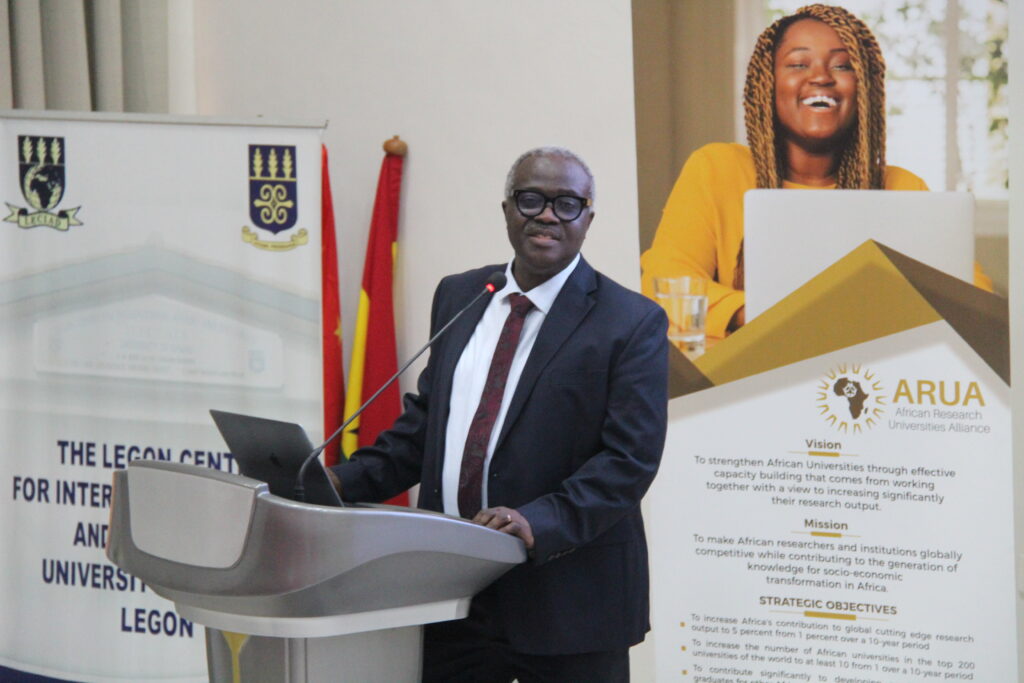
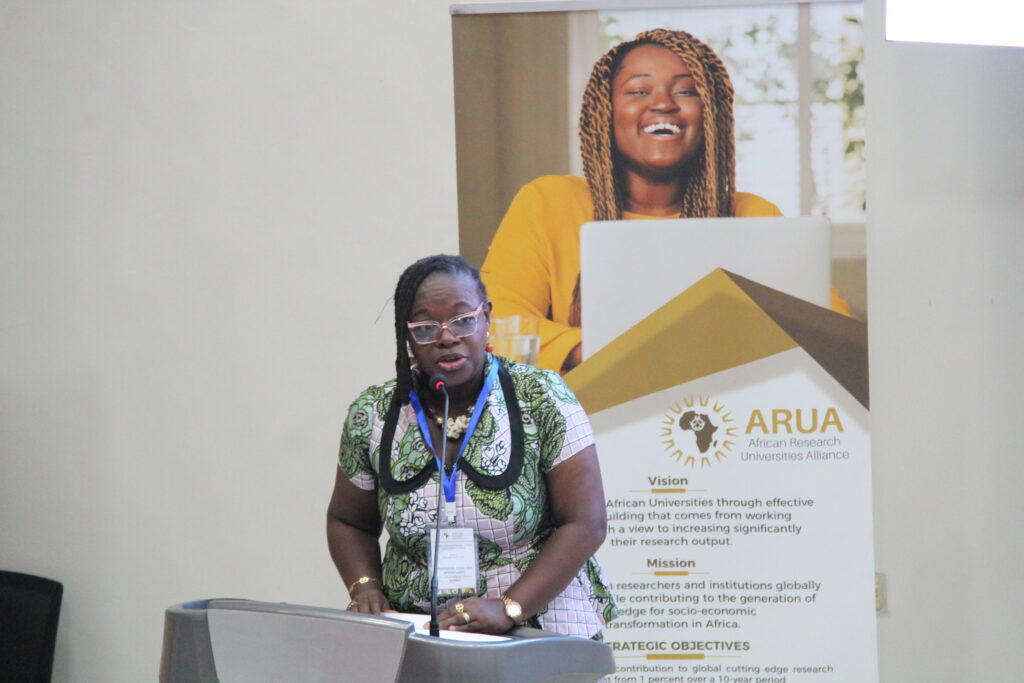
In her address, Prof. Nana Aba Appiah Amfo, Vice Chair of the ARUA Board and Vice-Chancellor of the University of Ghana, highlighted the strategic importance of sustained capacity strengthening for early-career researchers. She emphasised that the workshop was intentionally designed to go beyond technical skills development, providing participants with the opportunity to reflect on their research focus, clarify career pathways, and engage meaningfully with experienced scholars and peers within a supportive academic environment.
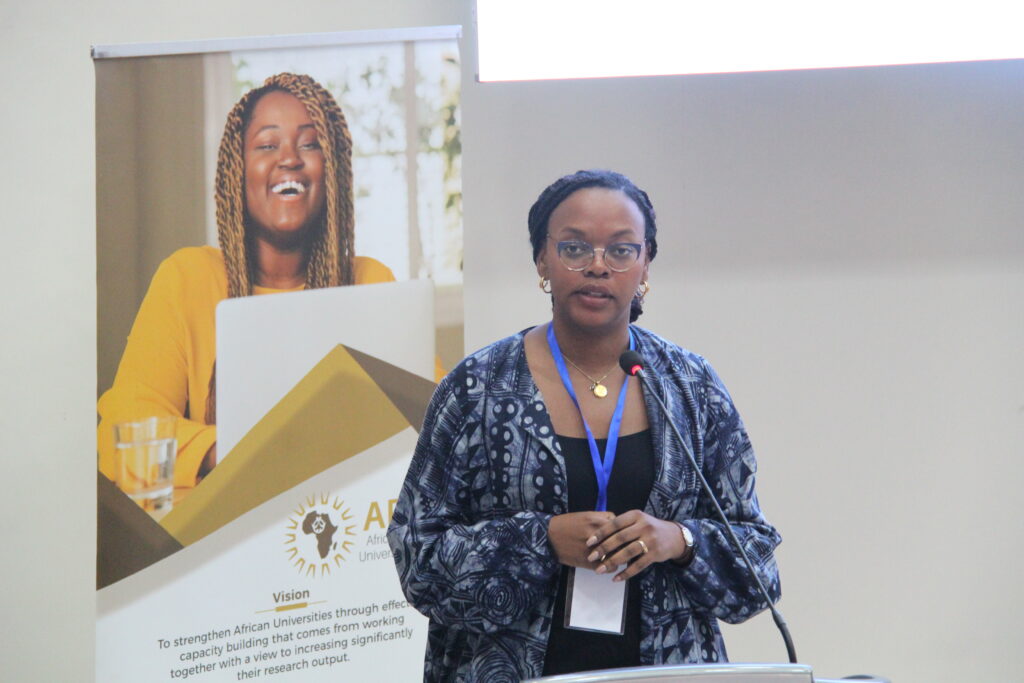
The opening session also featured remarks from Dr. Folashadé Soulé of the Mastercard Foundation, who spoke to the Foundation’s commitment to supporting early-career researchers—particularly women—across the continent. She underscored the importance of equipping young researchers with the skills, mentorship, and exposure needed to address Africa’s development challenges and translate research into meaningful societal impact.
Together, the opening contributions set the tone for a workshop focused on mentorship, collaboration, and practical capacity building, positioning early-career researchers as critical contributors to Africa’s research and development agenda.
Day One: Research Excellence, Proposal Development, and Mentorship
The first day focused on the foundations of research excellence and proposal development. Sessions explored the role of universities in advancing evidence-based governance, policy development, and innovation, while highlighting the importance of aligning research agendas with continental priorities such as Agenda 2063.
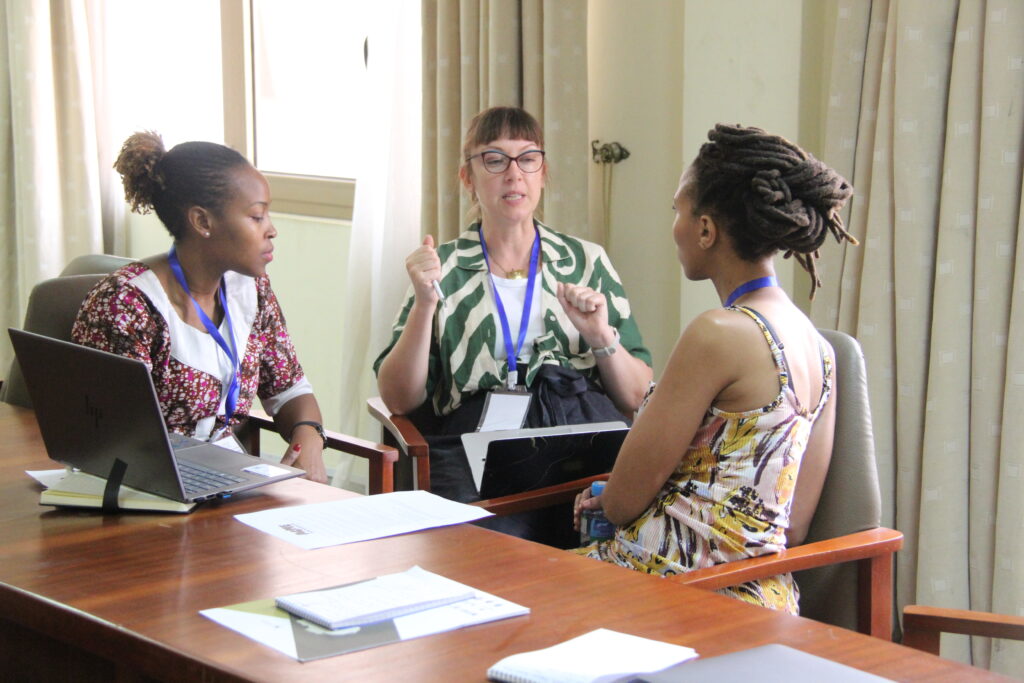
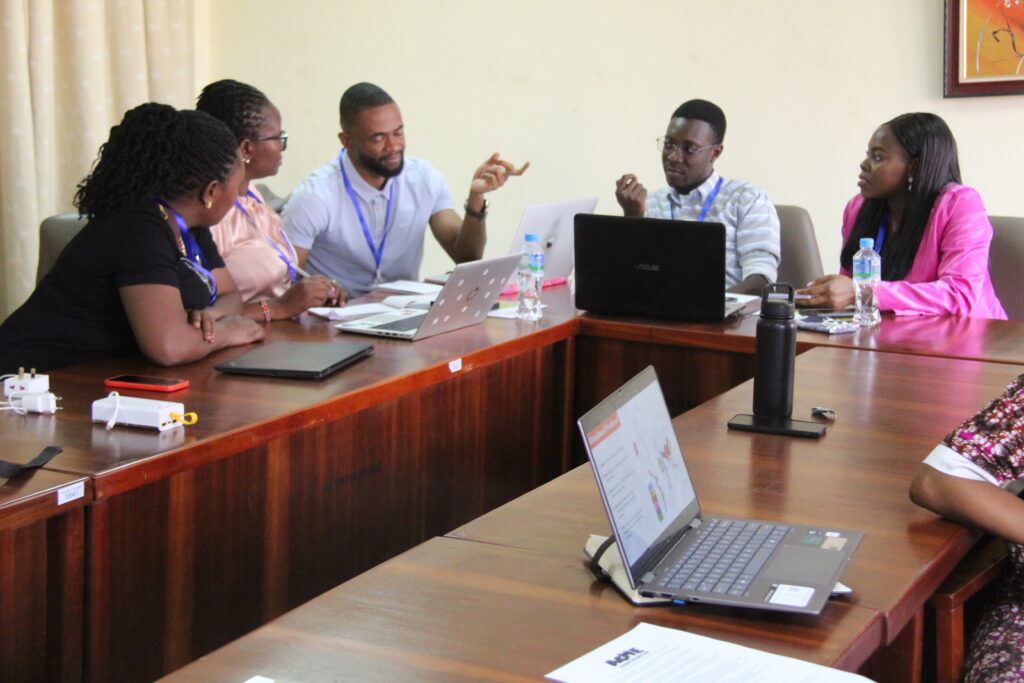
Facilitators led practical discussions on proposal development, grant writing strategies, and research collaboration, drawing on examples of successful and unsuccessful funding applications. Participants engaged in hands-on exercises aimed at developing bankable concept notes and strengthening interdisciplinary research approaches.
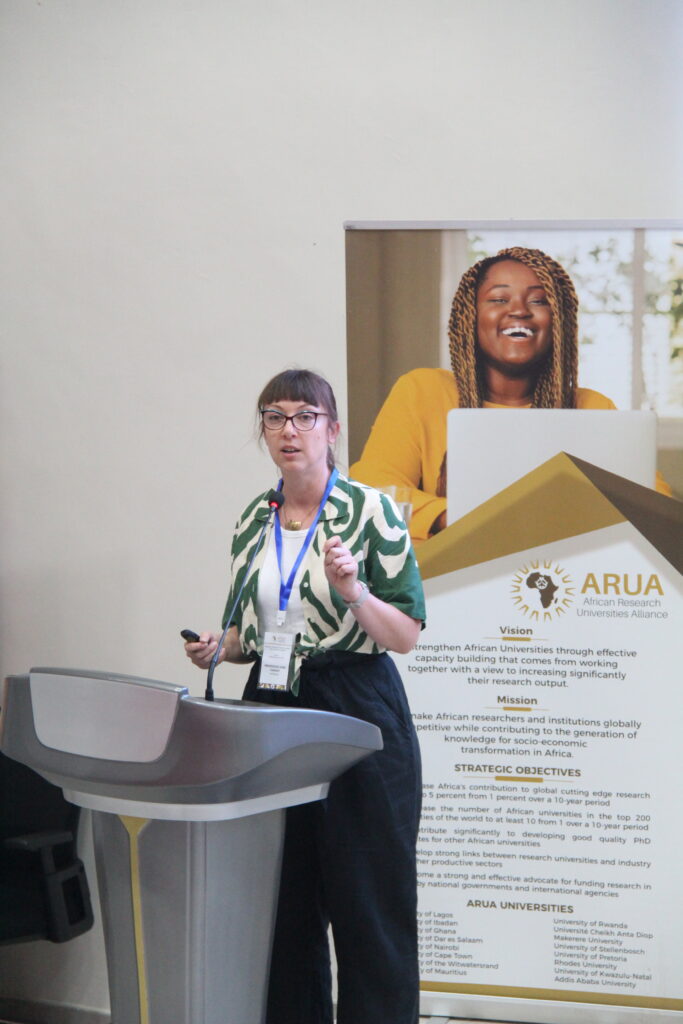
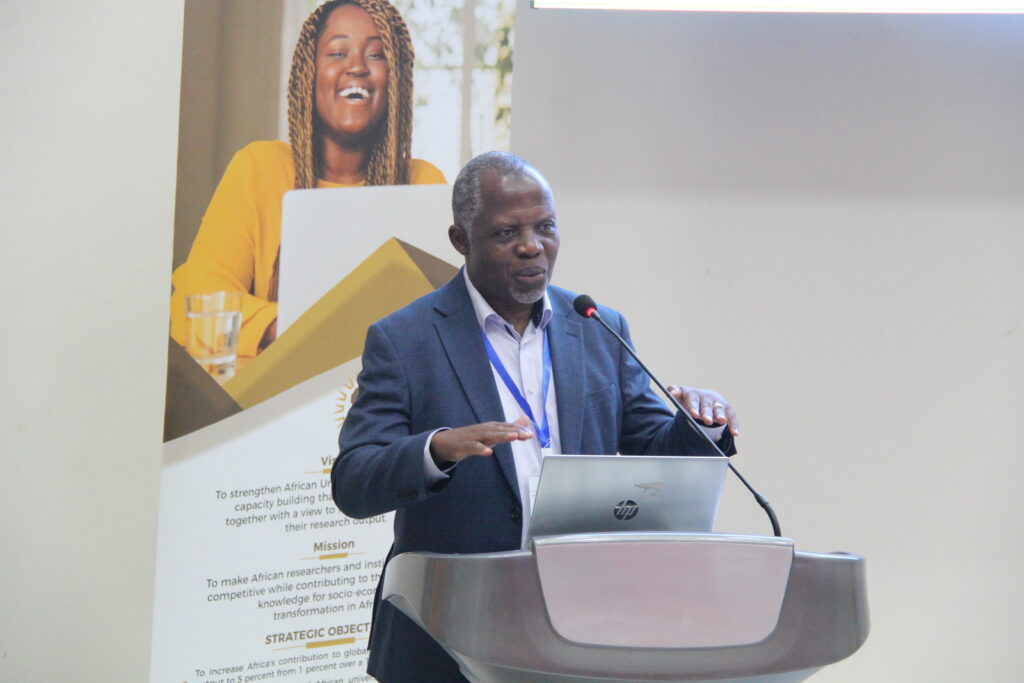
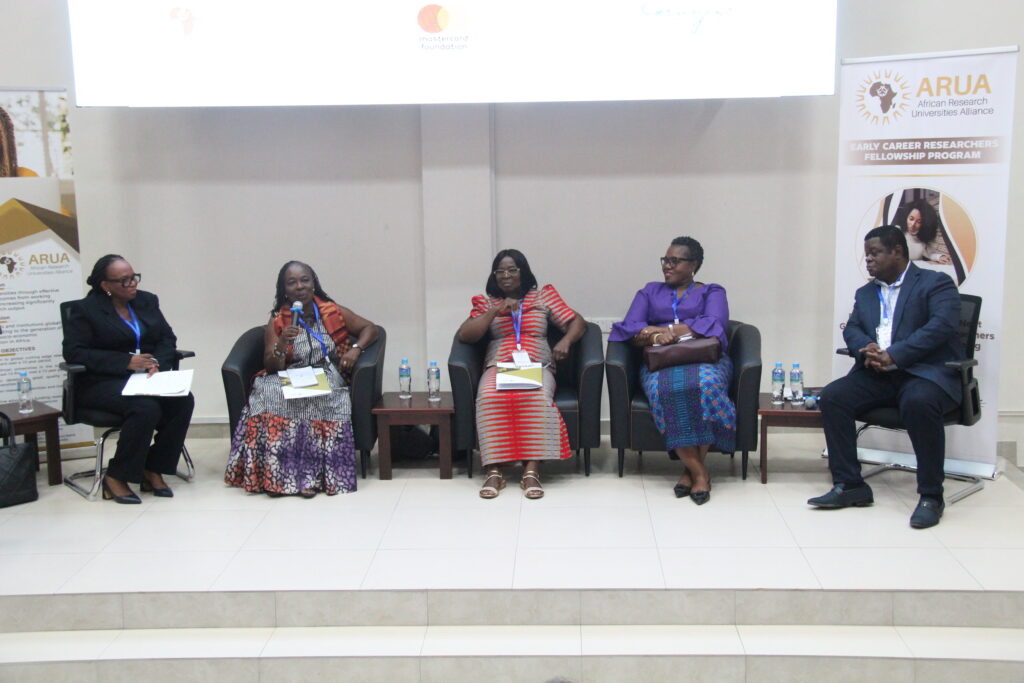
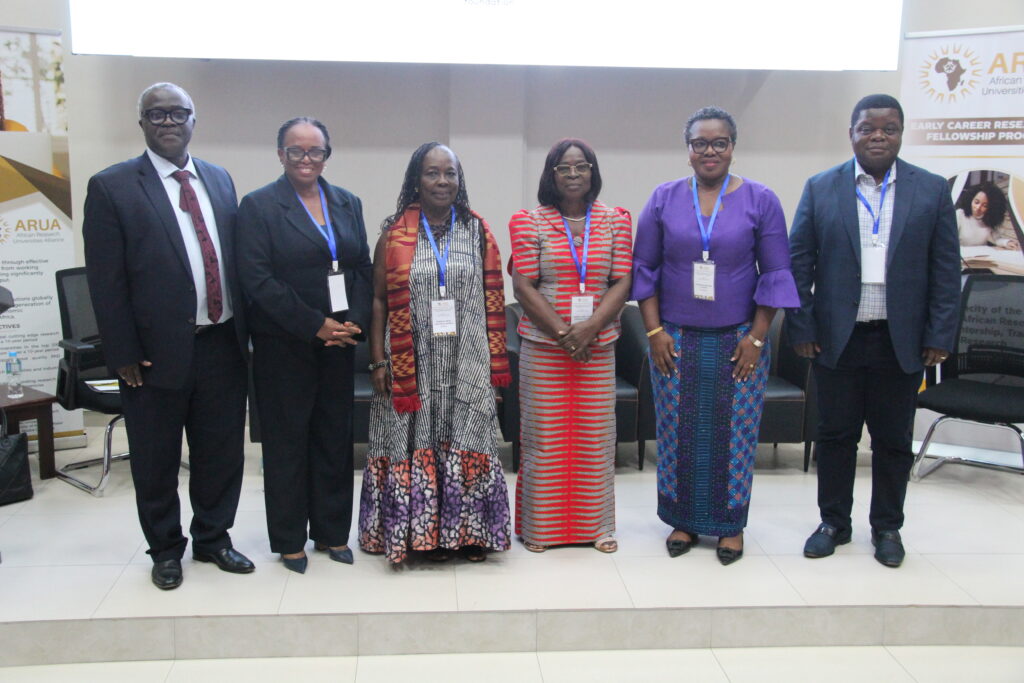
A dedicated panel session on academic journeys, particularly those of women researchers, provided candid reflections on mentorship, persistence, and navigating academic careers in Africa. The discussions highlighted the importance of support systems, quality research output, and balancing professional and personal responsibilities.
Day Two: Career Development and Funding Pathways
Day two centred on career planning and funding strategies for early-career researchers. Participants were guided through the process of developing clear research purpose statements and career roadmaps, mapping both academic and non-academic pathways, including policy engagement, entrepreneurship, and leadership roles. Sessions on research funding covered a wide range of grant categories and funding sources, equipping participants with practical tools to identify, evaluate, and pursue relevant opportunities.
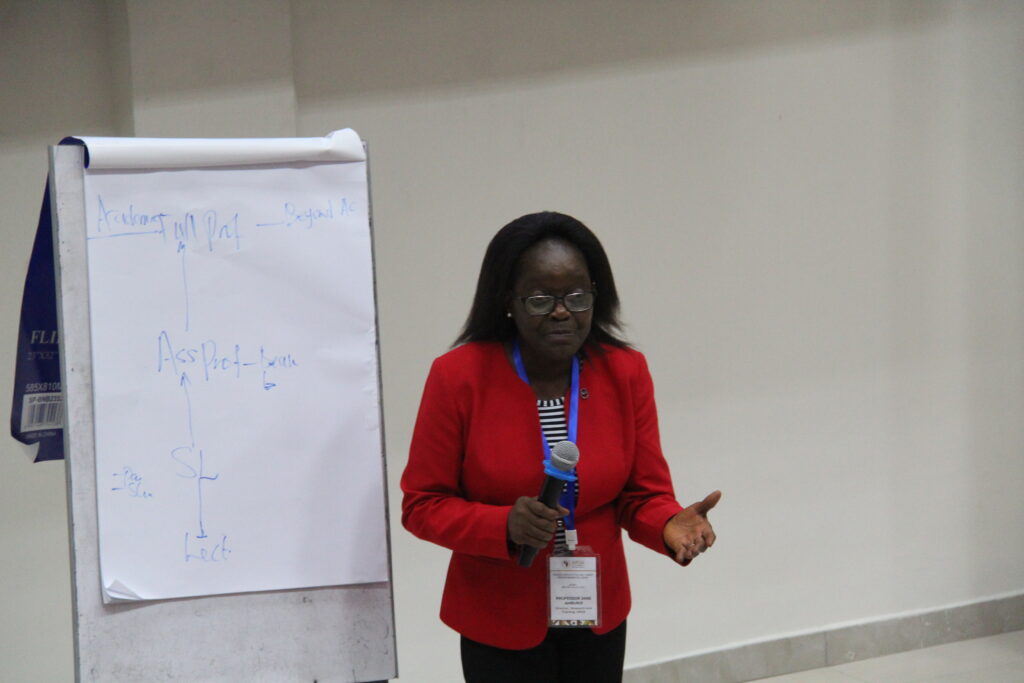
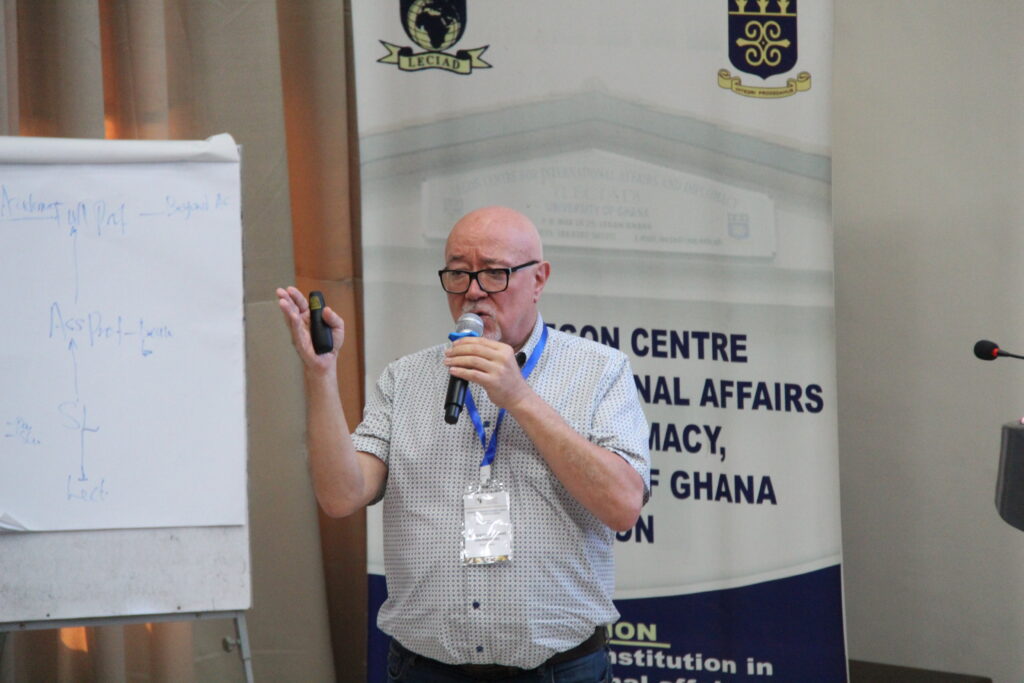
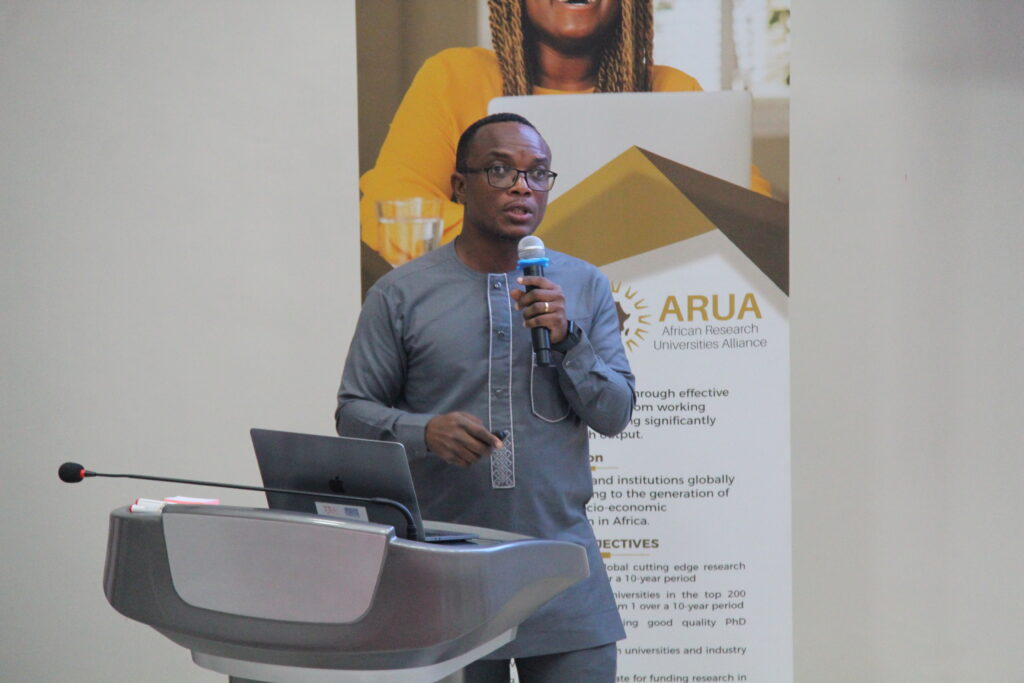
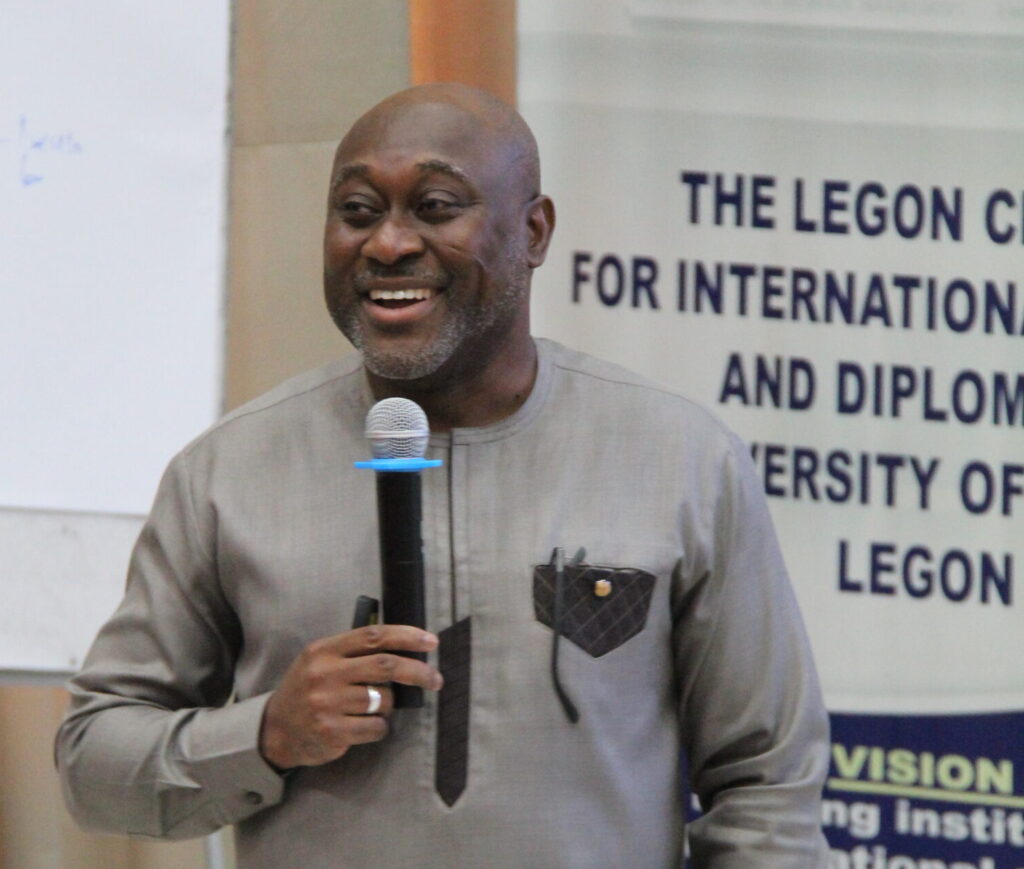
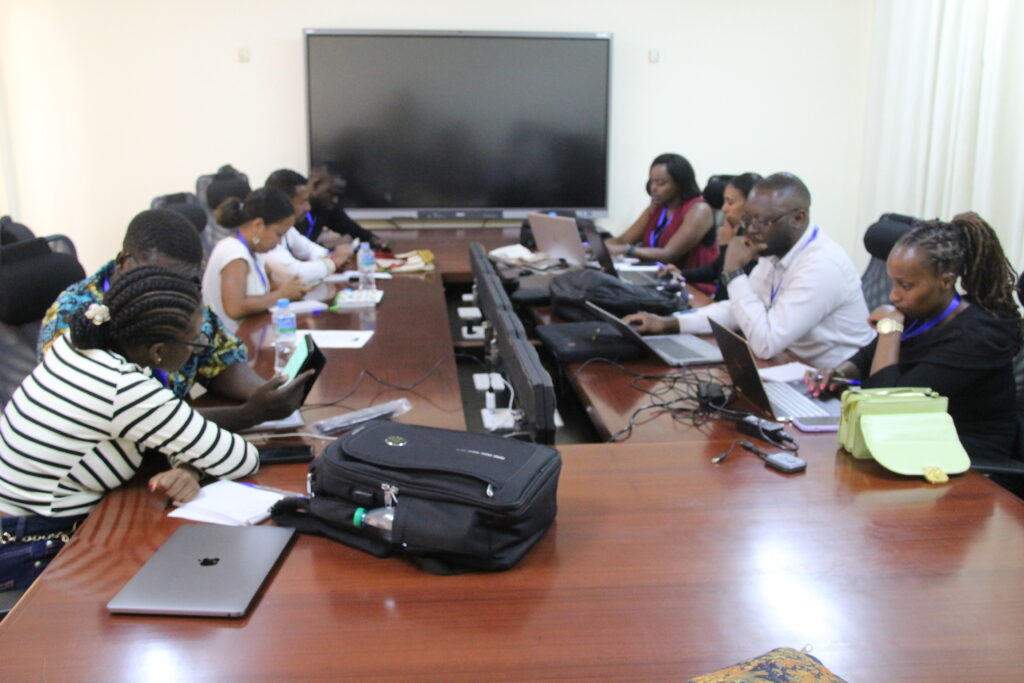
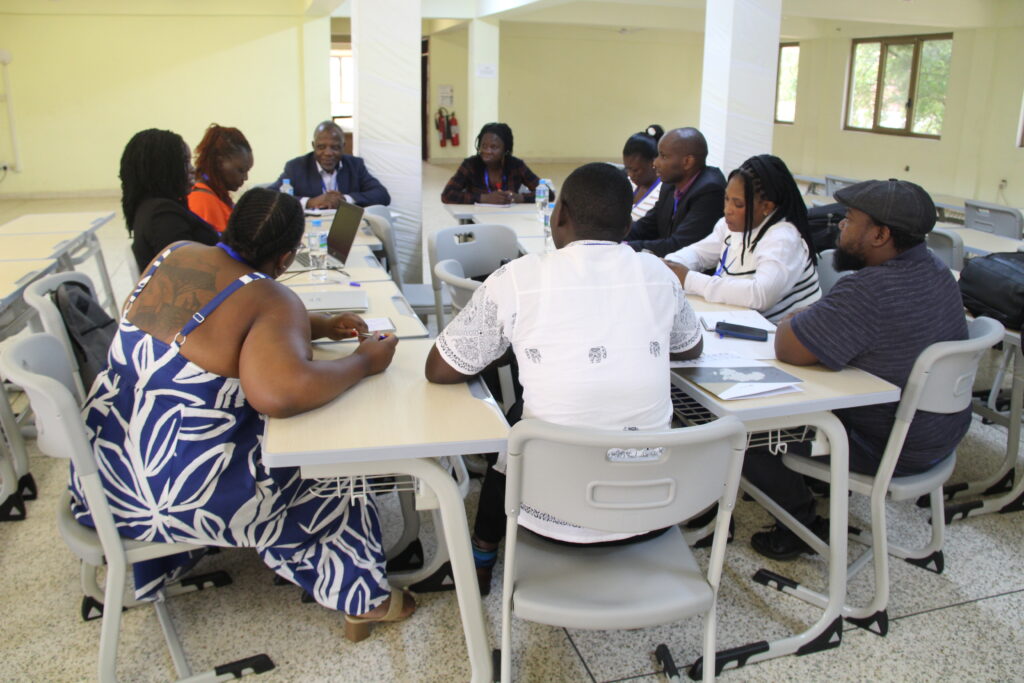
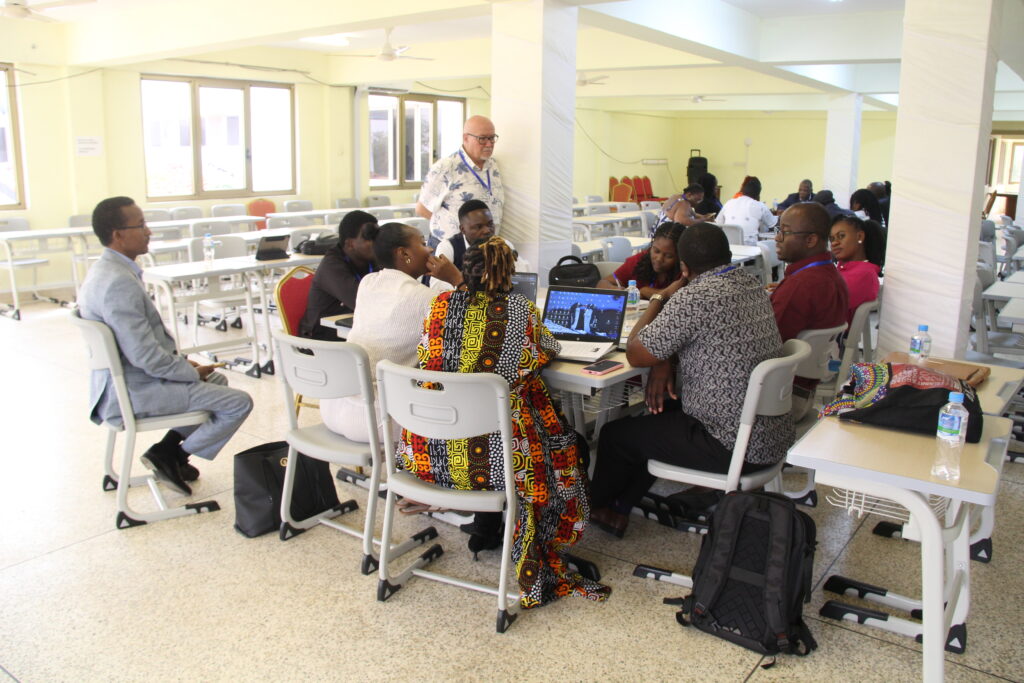
Group presentations showcased emerging research concepts addressing pressing African challenges, including urban environmental risks, agricultural development, coastal erosion and groundwater salinisation, fluoride exposure, and microplastic mitigation. Facilitators provided feedback and guidance on refining these ideas for competitive funding opportunities.
Day Three: Gender-Responsive Research, Translation, and Innovation
The final day focused on gender-responsive research approaches, research translation, and innovation. Participants examined how to integrate gender considerations into research design and methodology, with discussions emphasising equity, intersectionality, and contextual sensitivity.
The session on research translation highlighted pathways for transforming academic findings into societal impact, including engagement with policymakers, communities, and industry. Facilitators encouraged participants to think beyond publications and to develop clear action plans for the next 90 days.
The workshop concluded with discussions on intellectual property and research commercialisation, underscoring the importance of considering IP protection from the outset of research and working closely with university technology transfer offices to maximise impact.
Looking Ahead
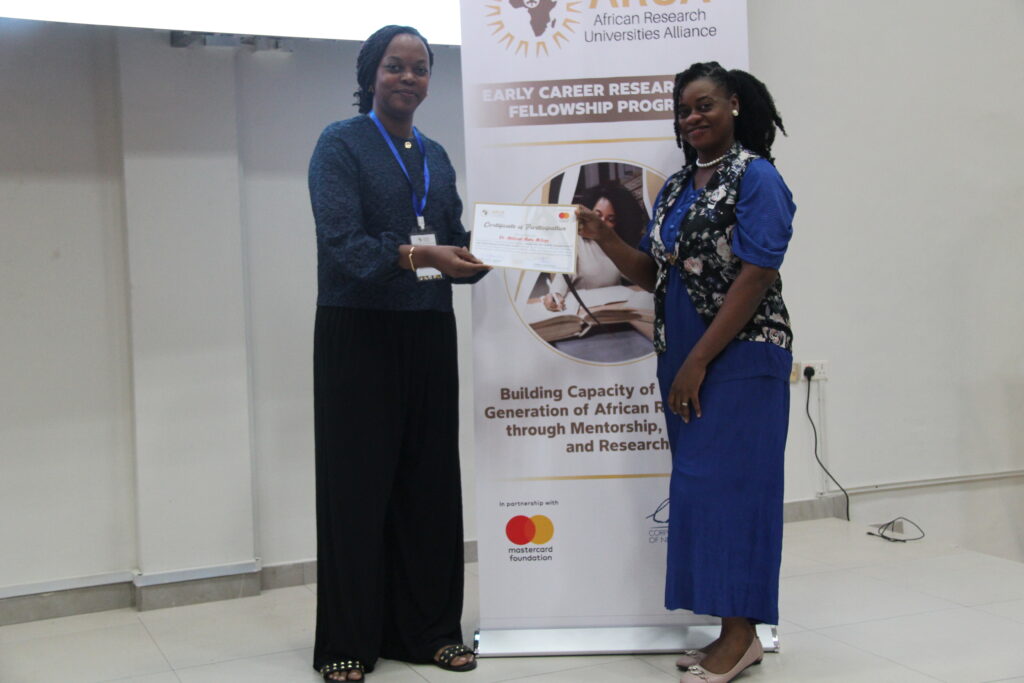
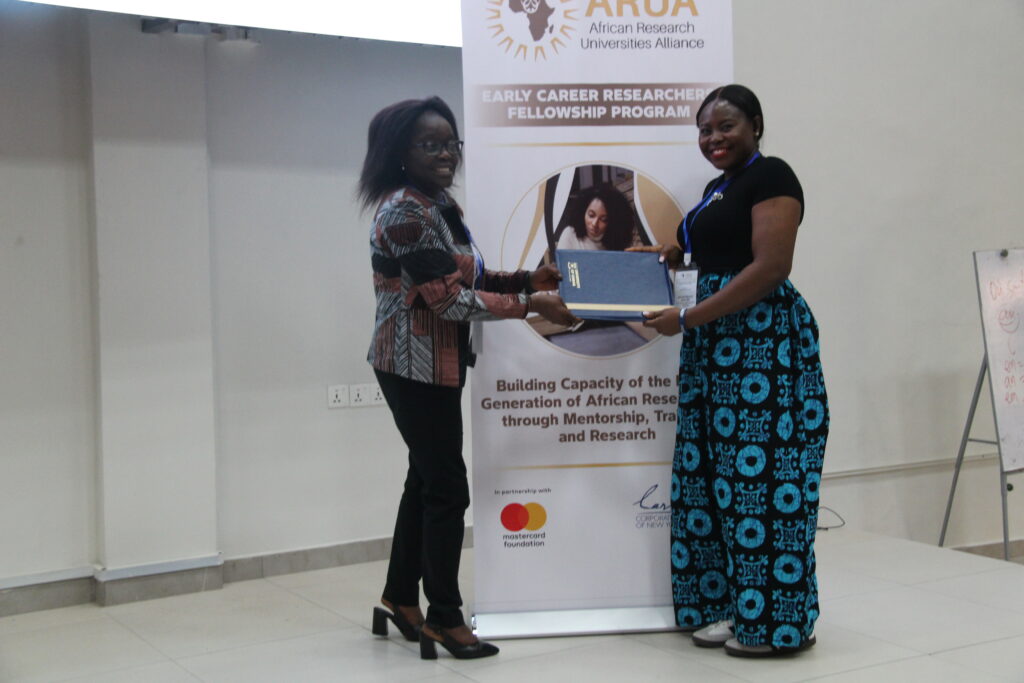
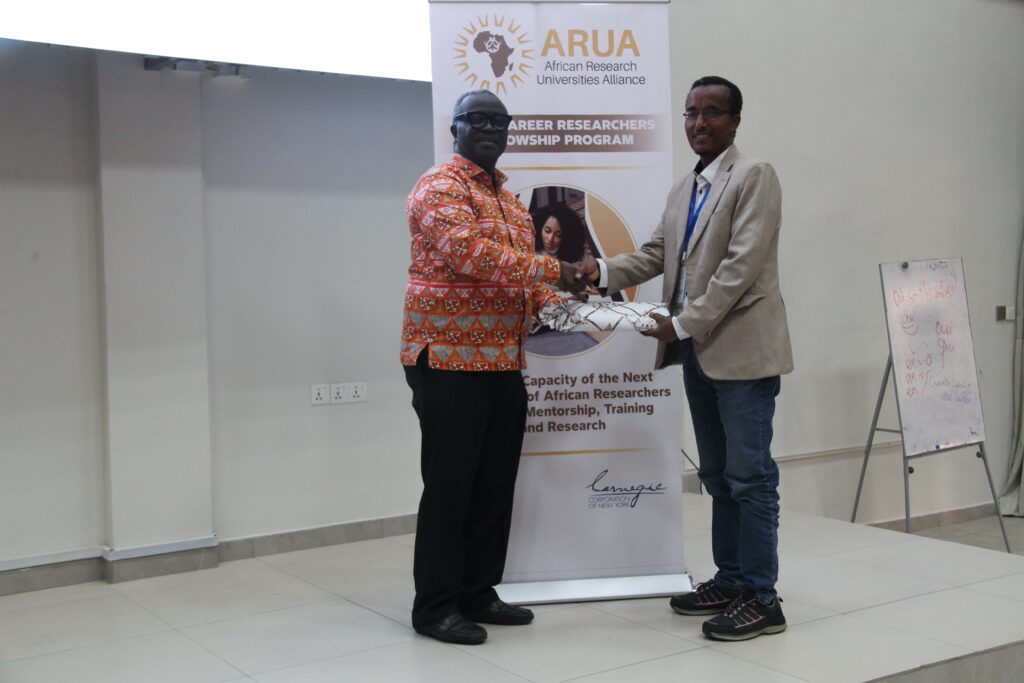
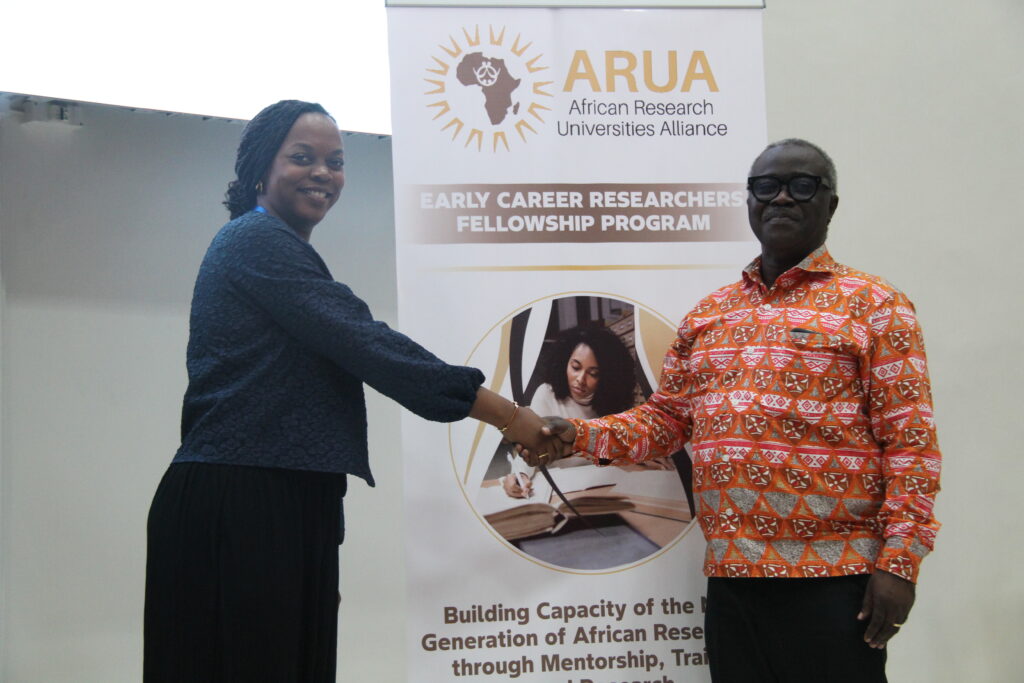
In closing remarks, participants were encouraged to sustain the networks formed during the workshop, deepen engagement with ARUA Centres of Excellence, and continue collaborating beyond the fellowship period. Certificates of participation were awarded, and outstanding presentations were recognised.
The workshop reaffirmed ARUA’s commitment to supporting early-career researchers through structured mentorship, skills development, and collaborative platforms that strengthen Africa’s research ecosystem, with support from the Mastercard Foundation and the Carnegie Corporation of New York.


