New Africa-Europe Partnership to Strengthen Research on Mpox and Lassa Fever

The African Research Universities Alliance (ARUA) and The Guild of European Research-Intensive Universities have joined forces with Enabel to launch a new Africa-Europe Partnership to strengthen research on Mpox and Lassa fever. This research initiative, under the AU-EU Health Partnership, aims to build Africa’s capacity in translational research and vaccine development for these diseases.
The programme responds to the urgent need for African-led solutions to emerging and re-emerging infectious diseases and is implemented by ARUA and Guild member institutions that are part of the Africa-Europe Clusters of Research Excellence (CoRE) initiative, with technical support from Africa CDC, and financial support from Belgium.
Seven early- and mid-career researchers from universities in Malawi, Uganda, Nigeria, and Ghana have been selected to form the inaugural cohort, following a competitive nomination and review process. The fellows are:
- Nicholas Bbosa, Uganda Virus Research Institute (UVRI), Uganda
- Irene Owusu Donkor, University of Ghana
- Mustapha Umar Imam, Federal University of Lafia, Nigeria
- Jupiter Marina Kabahita, Uganda National Health Laboratory Services
- Wakisa Kipandula, Kamuzu University of Health Sciences, Malawi
- Mirriam Ethel Nyenje, Public Health Institute of Malawi
- Mariam Kehinde Sulaiman, University of Ilorin, Nigeria
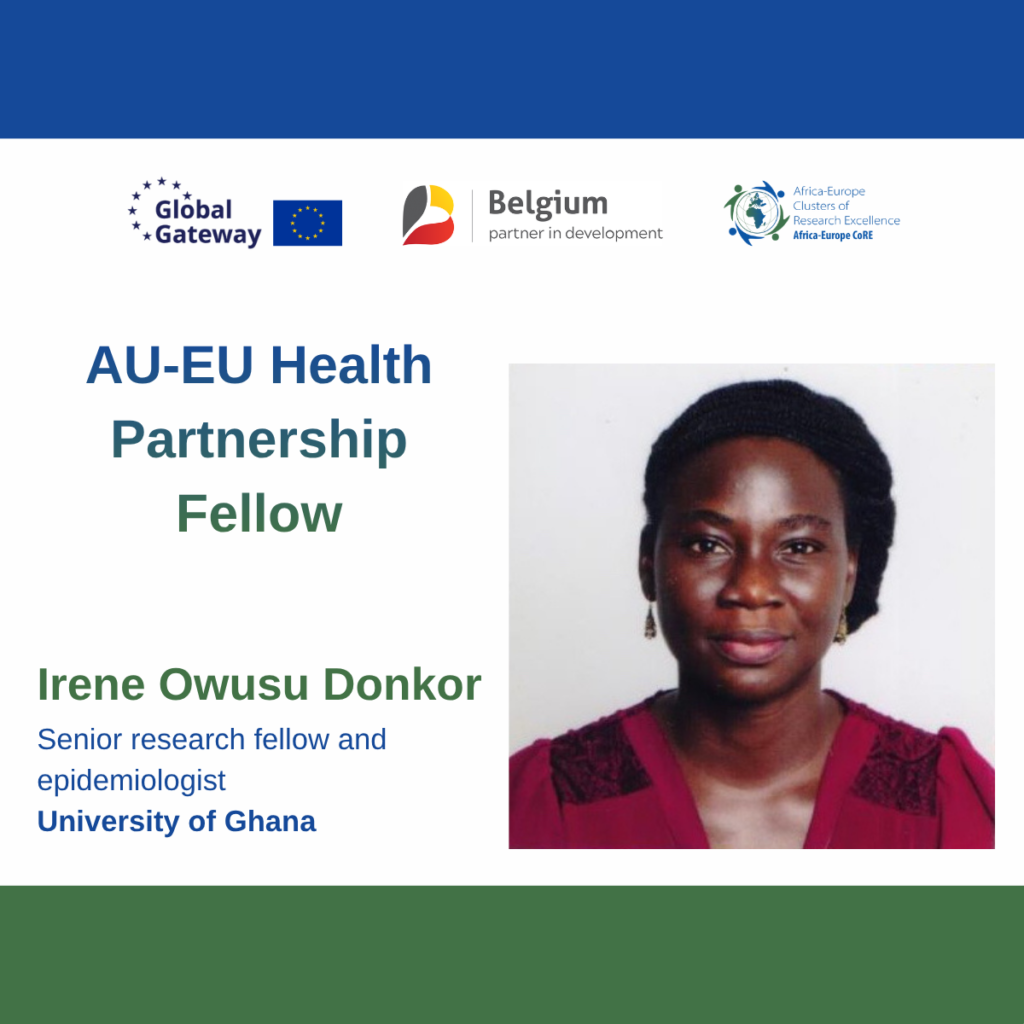
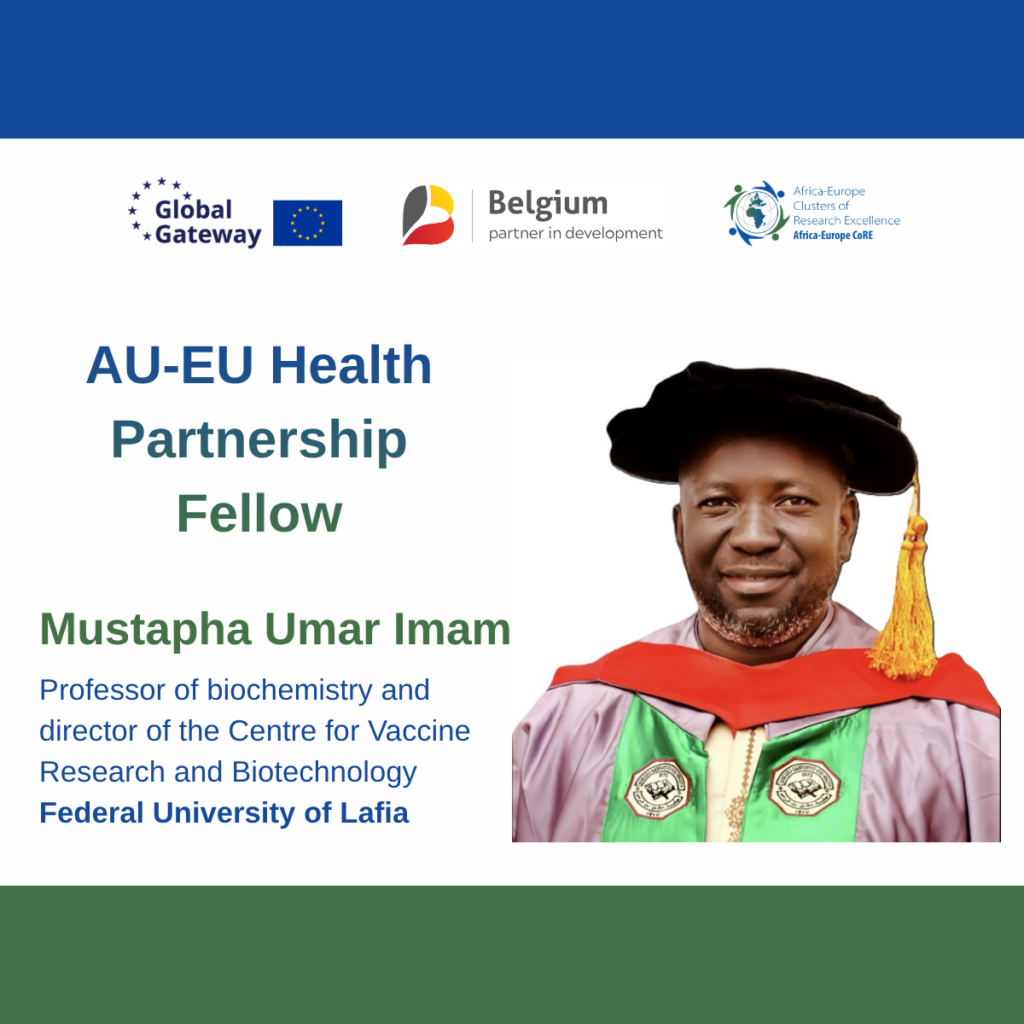
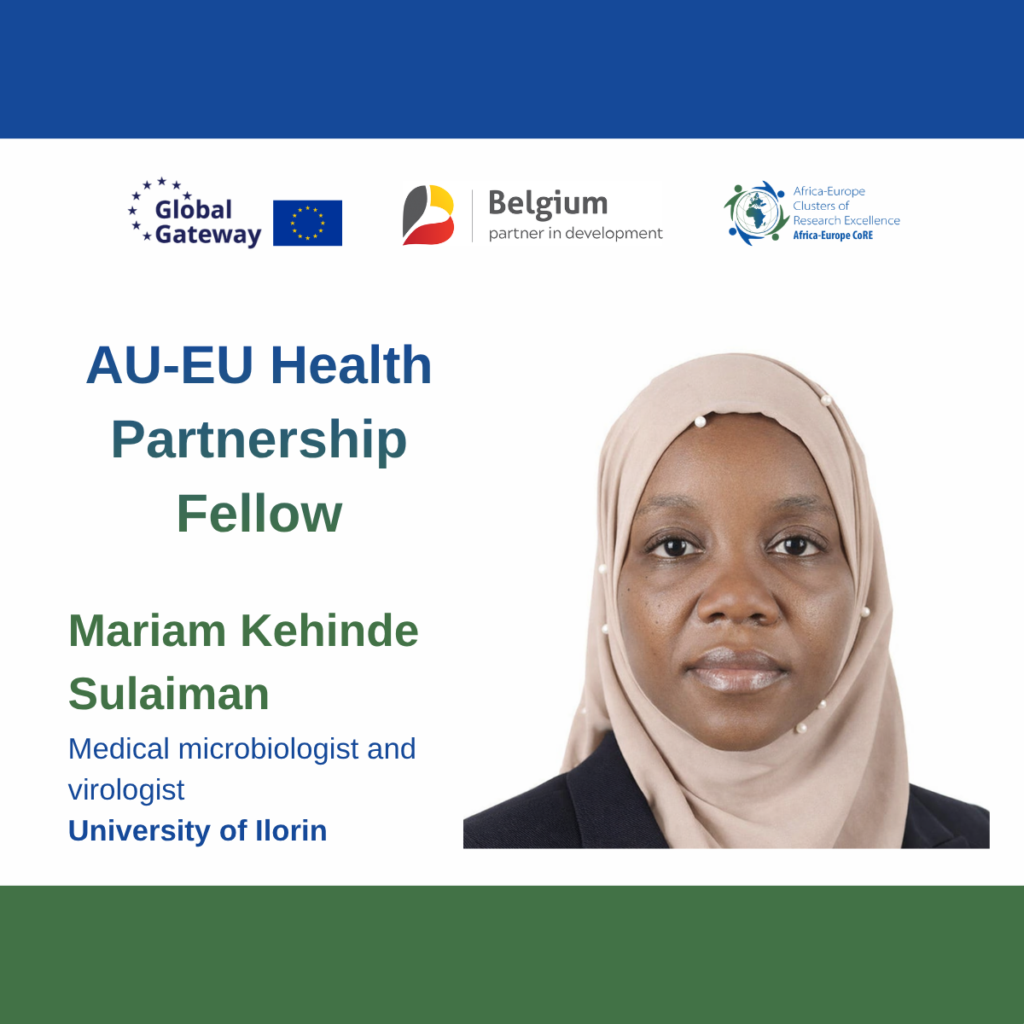
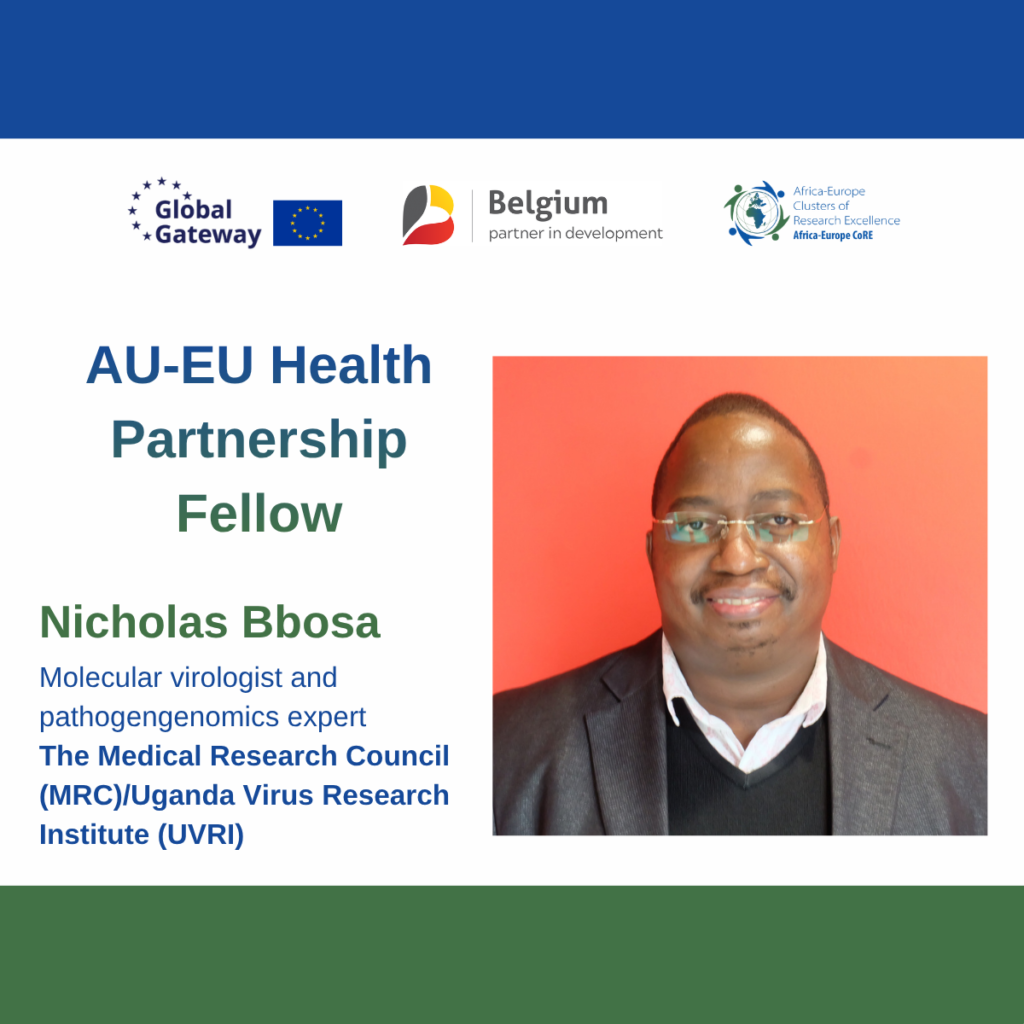
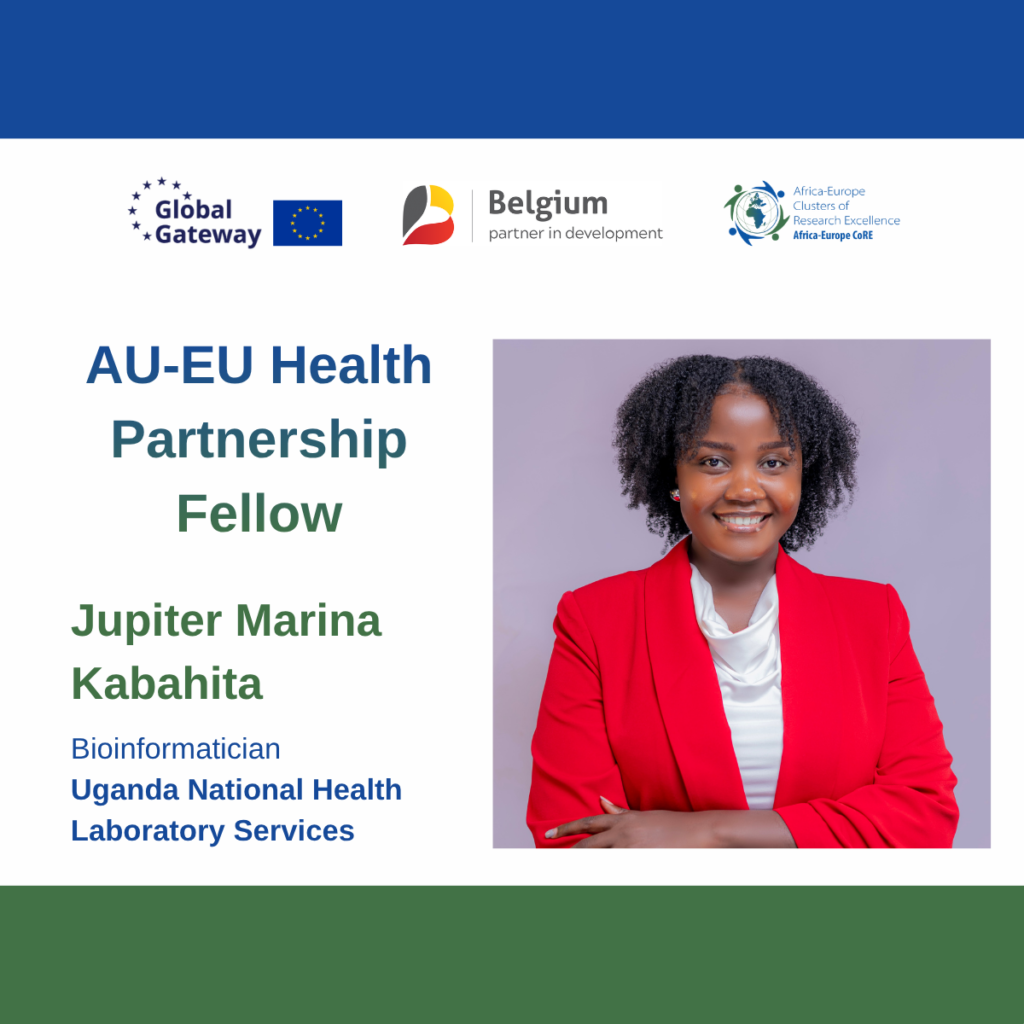
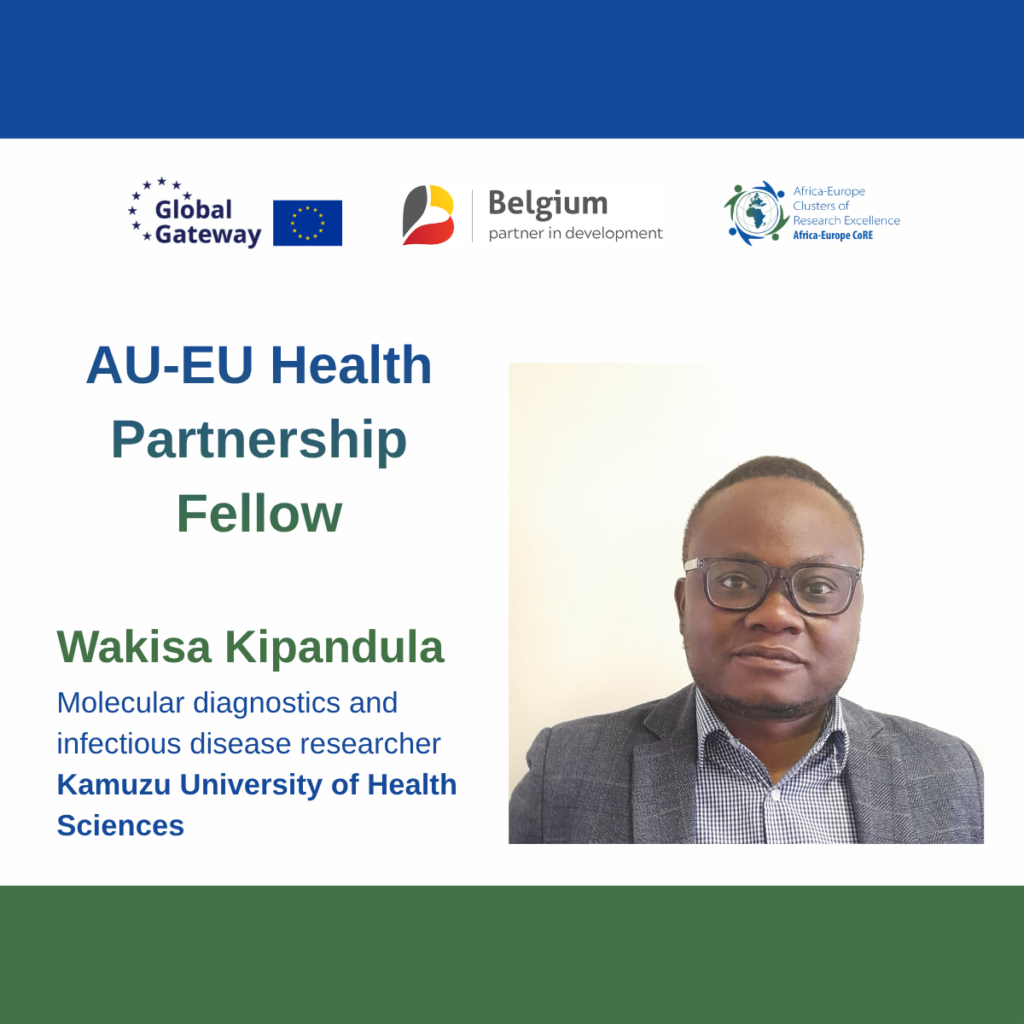
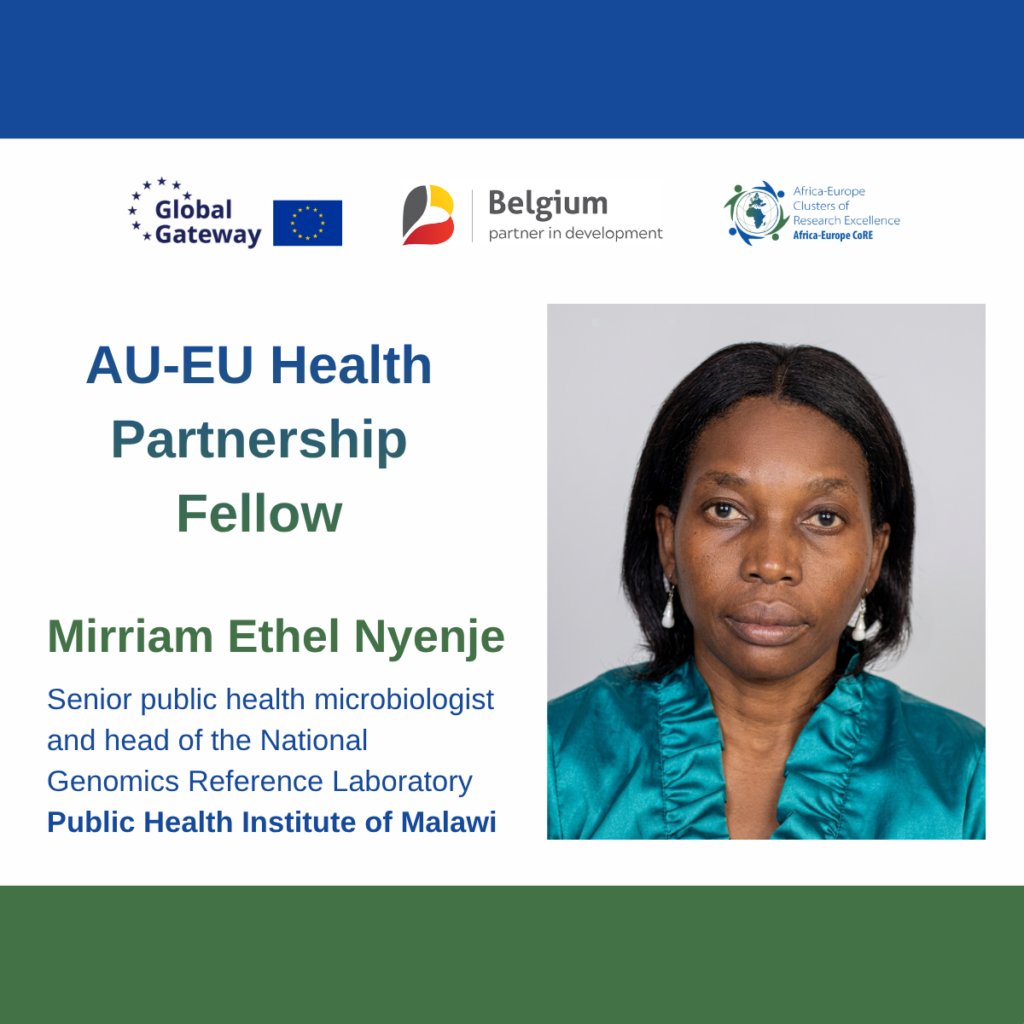
Together, these fellows bring expertise spanning virology, immunology, clinical research, and public health policy. This cohort is positioned to address key bottlenecks along the translational research pathway for Mpox and Lassa fever. The fellowship is coordinated by UC Louvain and anchored in three of the 22 Africa–Europe Clusters of Research Excellence: Translational Research in Infection, Immunity and Inflammation; Advanced Infectious Diseases Research and Training; and Genomics for Health in Africa.
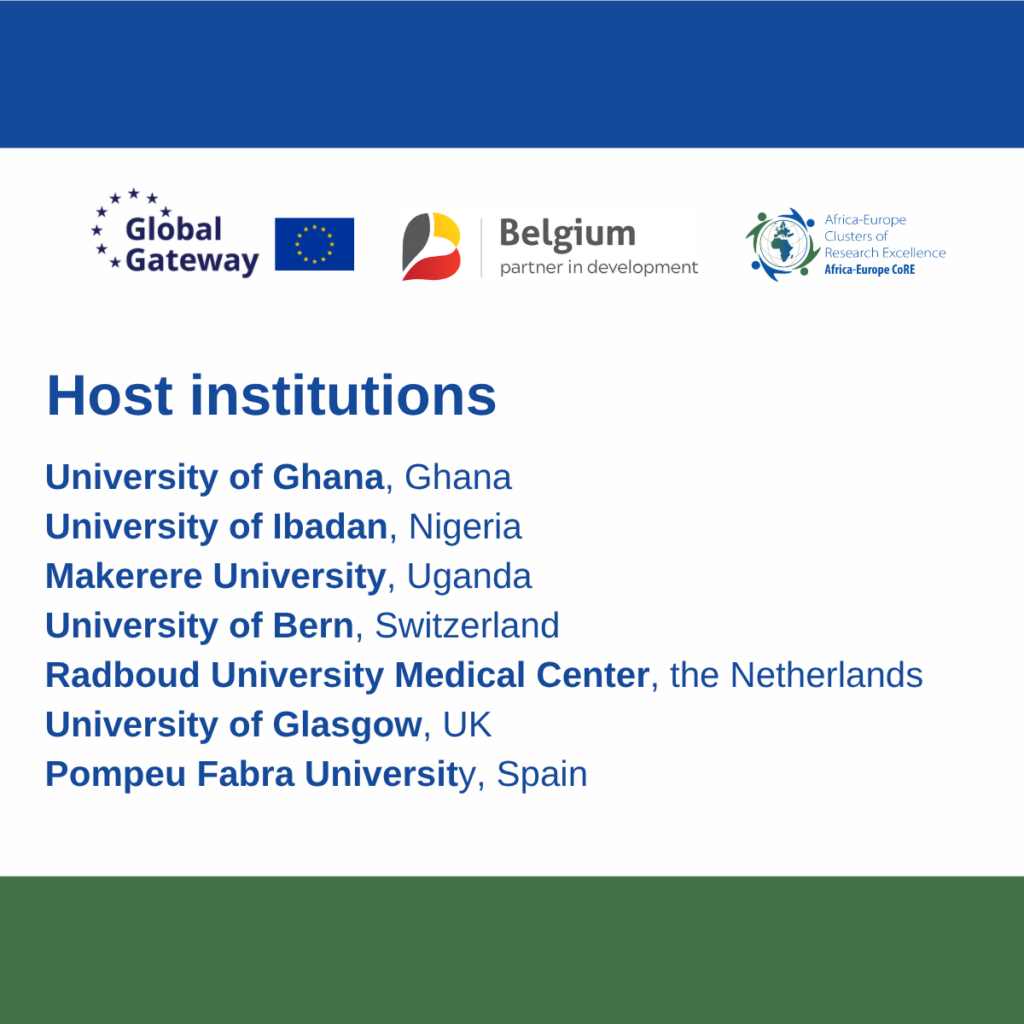
The fellows are funded to participate in a pilot mobility programme of multiple short residencies, ranging from a week to six weeks, to be completed by the end of May 2026. During this period, they will divide their time between leading African and European institutions, including the University of Ghana, the University of Ibadan, Makerere University, University of Bern, Radboud University Medical Centre, University of Glasgow, and Universitat Pompeu Fabra. Through exchanges across these leading research institutions, fellows will be embedded in multidisciplinary teams where they will access different facilities and techniques, receive hands-on training in project design for translational research, exploring the potential of vaccine or diagnostic candidates, as well as mapping of clinical trial pathways with industry and regulators. Together, the cohort of fellows have also worked with supervisors to develop policy briefs and technical guidelines linked to Mpox and Lassa fever.
By the end of their placements, each fellow is expected to produce insights that outline core preclinical or early‑stage results, a high‑level product development roadmap, an overview of the relevant regulatory landscape, and a short snapshot of policy implications for their selected Mpox or Lassa fever candidate. These outputs are intended to serve as practical tools that can inform future investments, partnerships with industry and regulators, and evidence-based decision-making by health authorities.
Collectively, the cohort will help build a sustainable pipeline of African translational researchers, deepen Africa–Europe research networks, and contribute to Africa’s broader ambition for health sovereignty, including expanding local manufacturing capacity for vaccines, diagnostics and other essential health technologies.
This pilot fellowship programme also serves to develop a best practice model for academic exchanges that contributes to the AU 2063 Agenda and the Global Gateway strategy, tapping into the added value of fundamental research in diverse universities. The project aims to show the value of fellows visiting universities within Africa as well as between Africa and Europe to increase the potential for scaling up responses to priority diseases and how to best address socio-economic needs.
Click here to learn about the fellows’ experience.
Africa-Europe Clusters of Research Excellence (CoRE)
Africa Europe CoREs are a new form of collaboration between some of the best researchers from both continents, striving for equitable partnerships in an unequal world. The launch of these scientific networks has been enabled by resources committed by our institutions to address UN Sustainable Development Goals through excellent research, education, capacity building, mobility, and innovation. The CoREs were proposed by academics and selected according to the excellence of their 10-year collaborative plans which contribute to the four priority areas of the AU-EU Innovation Agenda.
Whilst the CoRE initiative is led by ARUA and The Guild, participation is open to organisations beyond our networks, bringing together partners from more than 120 institutions across 44 countries.
About the AU-EU Health Partnership
The AU-EU Health Partnership is a broad coalition from Africa and Europe working together to strengthen health systems, improve health security, and increase access to pharmaceuticals in Africa. Encompassing myriad projects and partners at the continental, regional, and country levels, the initiative is making critical contributions to ensuring healthy lives and promoting well-being for all at all ages (SDG 3). Health is also one of the pillars of the European Union’s Global Gateway strategy, which aims to boost smart, clean and secure connections in digital, energy and transport sectors, and to strengthen health, education and research systems across the world.
The partnership benefits from coordinated implementation and focuses on five interconnected themes:
- Manufacturing and access to vaccines, medicines, and health technologies (MAV+)
- Sexual and reproductive health and rights (SRHR)
- Sustainable health security using a “One Health” approach (HSOH)
- Digital health for health systems strengthening and universal health coverage (DH)
- Support for public health institutes (PHI)
Team Europe actors include the European Commission, the European Investment Bank, the European Centre for Disease Prevention and Control as well as EU Member States including Belgium, Czech Republic, Denmark, Finland, France, Germany, Ireland, Italy, Luxembourg, Malta, the Netherlands, Portugal, Spain, and Sweden.
About DGD
The Directorate-General for Development Cooperation and Humanitarian Aid (DGD) looks after the various aspects of Belgian Development Cooperation. DGD falls under the jurisdiction of the Minister of Foreign Affairs since 2025. The DGD is integrated into the Federal Public Service (FPS) Foreign Affairs, Foreign Trade and Development Cooperation which is organising and elaborating development cooperation in accordance with the legal and regulatory framework. More info.


