Marking three years of the Africa-Europe Clusters of Research Excellence (CoRE) initiative: Reflections from the Second CoRE Conference

The Second Africa-Europe Clusters of Research Excellence (CoRE) Conference was held from 14 to 17 June 2026 at the University of Glasgow. This high-level gathering marked a significant milestone in the partnership between the African Research Universities Alliance (ARUA) and The Guild of European Research-Intensive Universities. Held during the University of Glasgow’s 575th anniversary year, the event provided a platform to evaluate the initiative’s progress since its inception. The CoRE model, which began as a conceptual framework galvanised by the AU-EU Innovation Agenda, has successfully transitioned into a formal institutionalised network.
Introduction and context
Since 2023, the initiative has expanded from 17 to 22 active clusters, representing a diverse range of thematic areas critical to both continents. The conference focused on moving the partnership from the initial phase of stock-taking to firm decisions on consolidation, sustainability, and growth. By bringing together university leadership and top scholars, the event sought to strengthen the transcontinental collaboration needed to address global challenges through equitable scientific partnerships and shared institutional commitments.
Opening the Second CoRE Conference
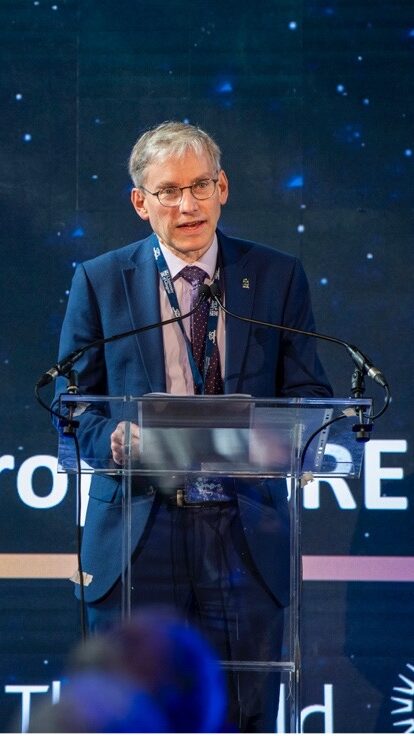
The conference was officially opened in Bute Hall by Professor Andy Schofield, Principal and Vice-Chancellor of the University of Glasgow. He noted the university’s strong tradition of partnership with the ARUA network, underpinned by memoranda of understanding signed in 2020 and 2024. Professor Schofield highlighted that the CoRE model is already making a difference by opening conversations on equitable partnership. He noted that the University of Glasgow is actively engaged in four of the clusters, serving as a co-lead in two, which reflects a deep commitment to addressing pressing global challenges through collaborative research.
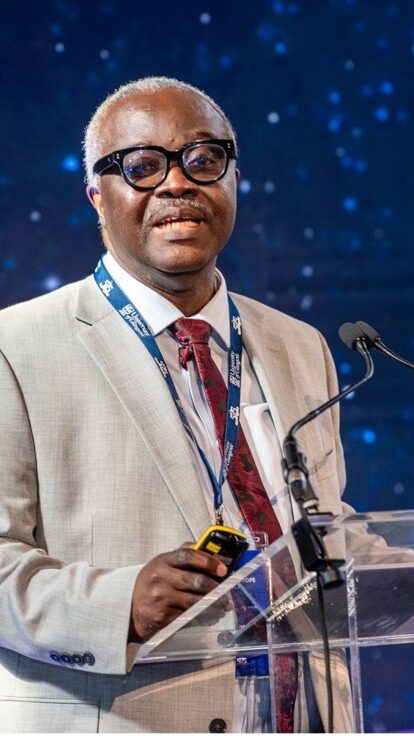
Professor John Gyapong, Secretary-General of ARUA, provided a strategic overview of the initiative’s journey, noting that it has become a “credible institution.” He emphasised that the Glasgow meeting must move forward from reflection to decisions on the next phase of joint ambition, asking hard questions regarding which clusters require scaling up and which might need restructuring. Professor Gyapong stressed the need to secure leadership commitment for administrative support, seed funding, and the communication of results to ensure the clusters speak with a unified voice.
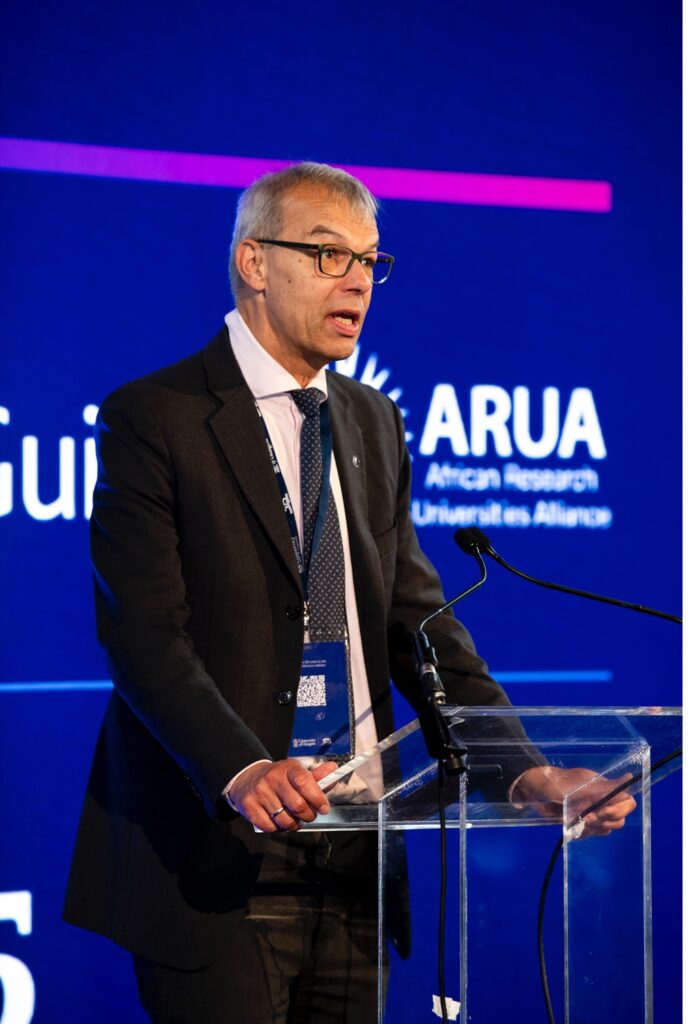
Professor Jan Palmowski, Secretary-General of The Guild, reflected on the challenge of creating “spaces of trust” within research partnerships. He noted that such spaces are essential for articulating the challenges arising from inequalities in funding, infrastructure, and human resources. He also observed that these inequalities have been heightened by the current period of geopolitical rupture, making those present even more significant. The opening session set the tone for the conference as a collective enterprise aimed at showing that working differently together is the pathway for the future of global science.
Opening keynote
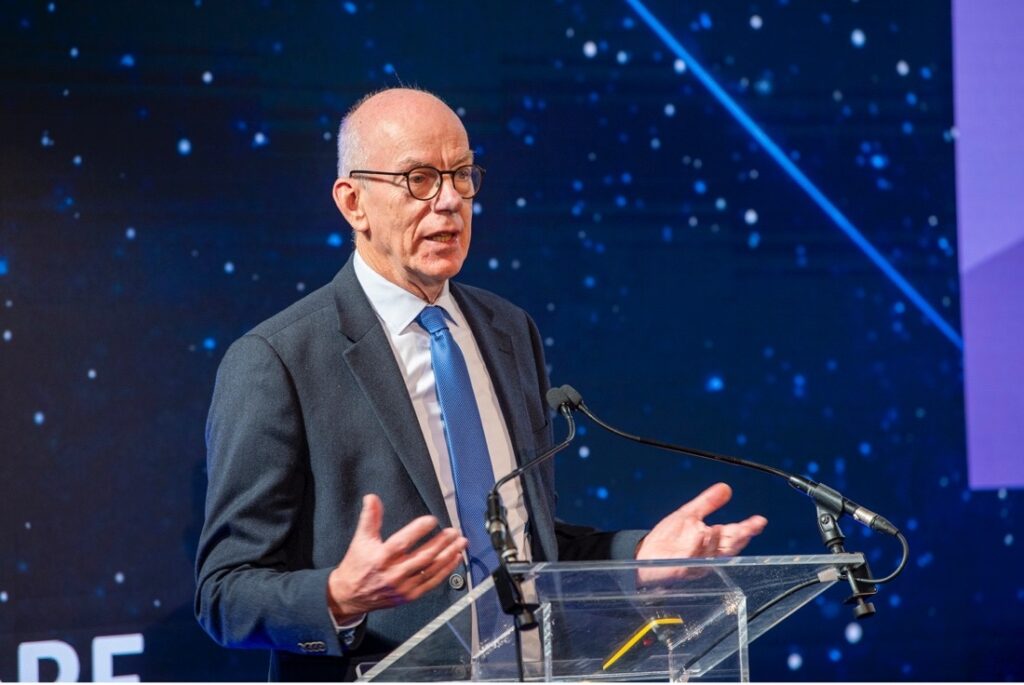
Professor Peter Maassen of the University of Oslo delivered the keynote address, tracing the history of the ARUA-Guild partnership and its alignment with the AU-EU Innovation Agenda. He described the CoRE model as a shift toward “equal partnerships in an unequal world,” designed to reduce science inequality through focused collaborations. A critical component of his address was the requirement for a 10-year institutional commitment to ensure the clusters’ ambitions are fully institutionalised.
He identified a significant shift in the global science landscape from “sustainability to security,” influenced by geopolitical turbulence and the withdrawal of US commitments to international science. This shift has led to growing political concerns regarding the transfer of knowledge and technology, affecting science policy and funding. Furthermore, he addressed demographic challenges, noting that by 2040, more than half of the world’s students will be from Africa. He argued that the CoRE initiative must contribute to training a new generation of scholars in a way that avoids brain drain and provides robust career perspectives on both continents. He concluded by challenging the clusters to improve the science-society relationship and ensure that knowledge transfer directly addresses local socioeconomic needs.
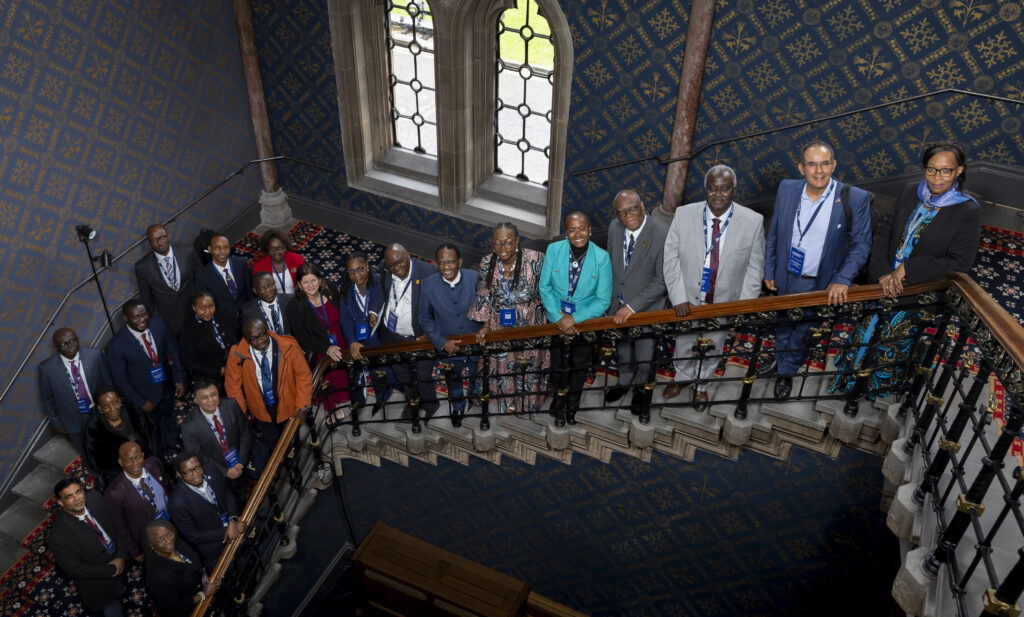
The ARUA Board at the conference
On the margins of the main conference proceedings, the ARUA Board held its annual meeting. The Board’s presence throughout the conference underscored its role in providing governance and strategic oversight for the CoRE initiative and the wider ARUA strategy.
Joint leadership discussions on the CoREs
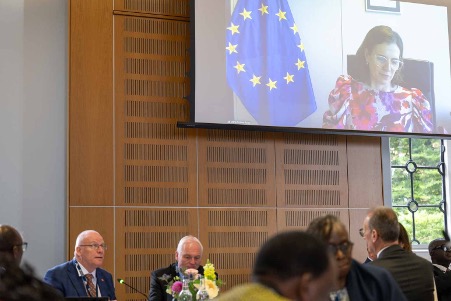
The joint leadership meetings between the ARUA Vice-Chancellors and Guild Presidents provided an opportunity to assess the progress of the CoRE initiative three years after its launch.
During the joint leadership discussions, the leaders also reflected on the role of research and innovation in strengthening EU–Africa collaboration, drawing on contributions from Maria Cristina Russo, a senior official from the European Commission’s Directorate‑General for Research and Innovation (DG RTD). She reflected on the AU–EU Innovation Agenda and how shifting geopolitical conditions and EU research policy shape opportunities for Africa–Europe collaboration.
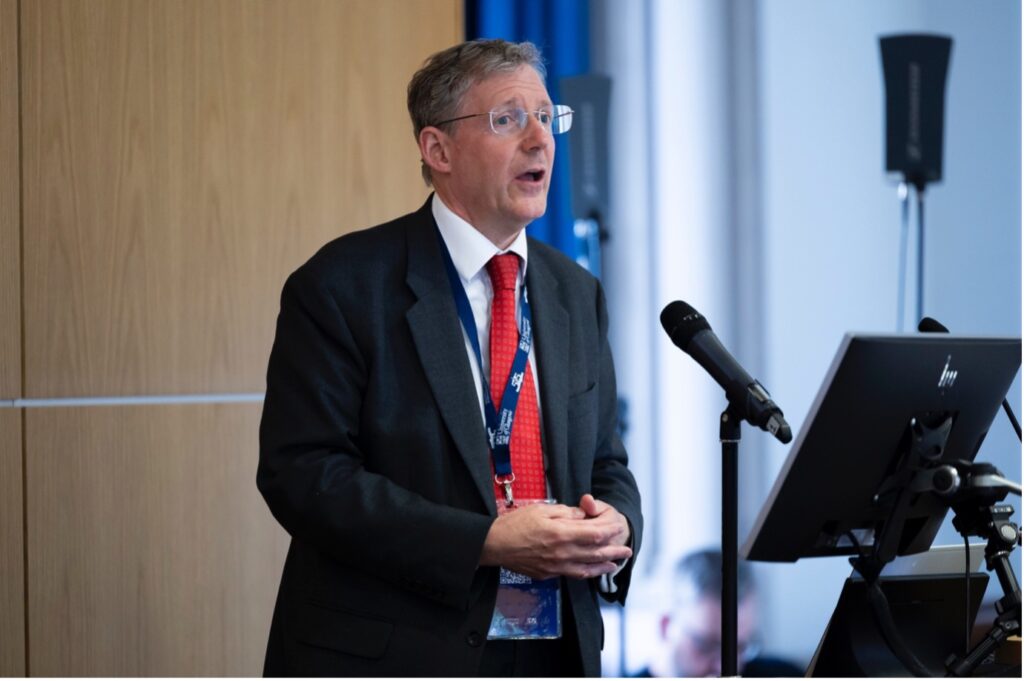
Professor Christopher Smith, Executive Chair of the Arts and Humanities Research Council and International Champion of UK Research and Innovation, spoke to the challenges of funding international collaboration in times of political rupture, considering how equity, meaningful partnership and alignment between local and global research agendas can be sustained amid changing priorities and constrained resources.
CoREs: Three years on
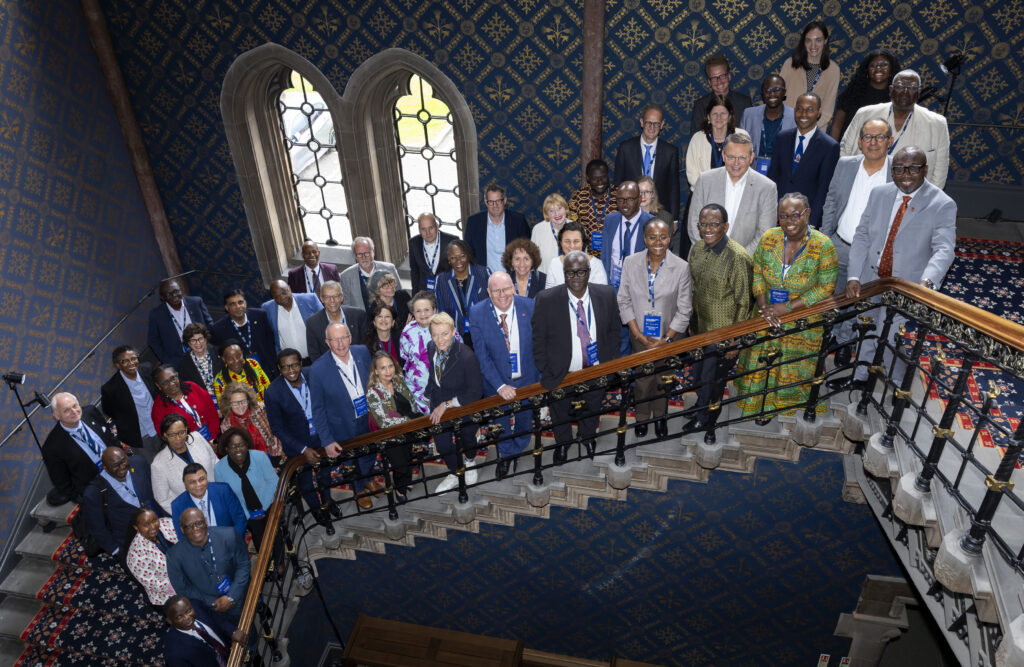
The joint CoRE sessions were established to allow each of the 22 clusters to present their current work, significant achievements, and ongoing challenges to both their peers and institutional leaders. The sessions provided an avenue for mutual learning, knowledge-sharing, and interdisciplinary exchange. Each cluster was invited to detail the specific research questions and methodologies they had developed to address key global challenges, while also identifying difficulties faced beyond general funding constraints.
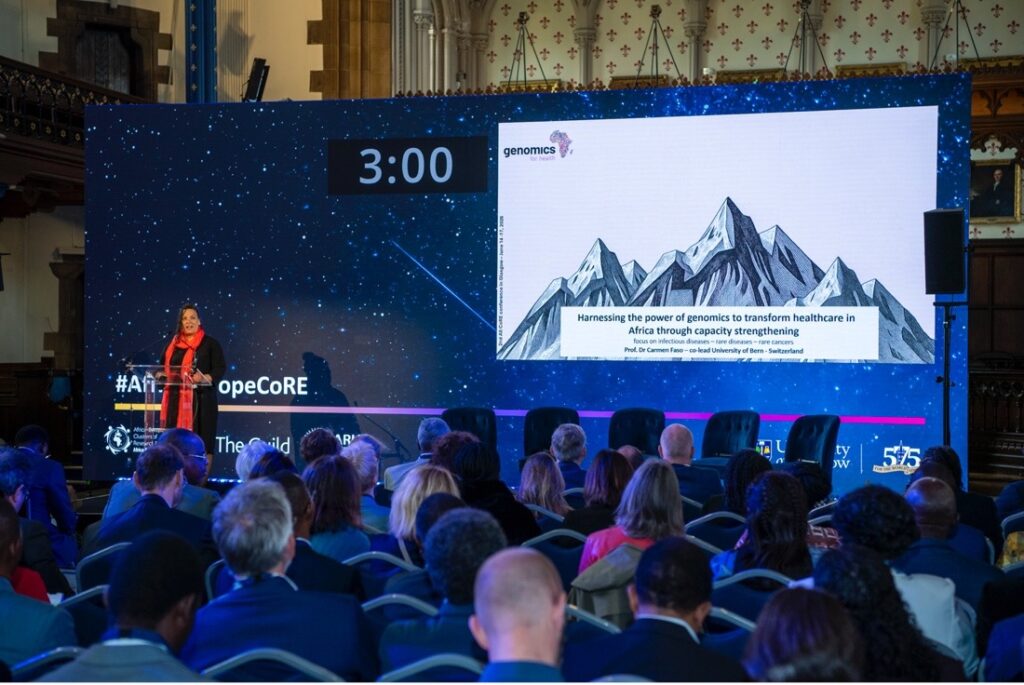
The sessions also addressed cross-cutting themes, including the growing importance of research competitiveness, resilience, and the role of AI in academia and society. The sessions also provided an avenue for academics to exchange practical experiences on sustaining collaboration and maintaining engagement across diverse institutions through individual cluster meetings.
Closing reflections and Appreciation
In the concluding wrap-up session, the speakers highlighted the unique nature of the gathering, which facilitated a rare level of interaction between institutional leaders and top scholars from both continents. Professor Jan Palmowski noted that the conference successfully fostered “new professional partnerships” and created a space where researchers and leadership could intermingle effectively.
Recognising the conference as a critical milestone in assessing the first three years of the established clusters, Professor John Gyapong observed that the initiative had matured from a concept into a “credible institution,” allowing for a candid evaluation of cluster performance.
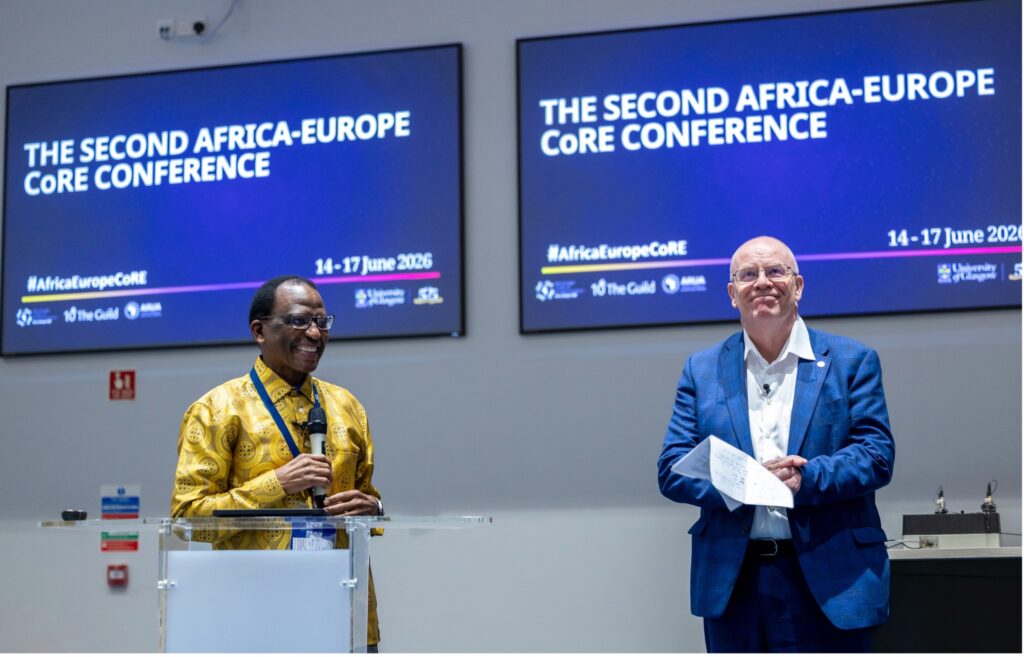
Professor Anders Hagfeldt, Chair of The Guild and Vice‑Chancellor of Uppsala University, and Professor Sizwe Mabizela, Chair of ARUA and Principal and Vice‑Chancellor of Rhodes University, reported on the leadership’s pledge to “hold the course” despite global headwinds. Professor Hagfeldt underscored the importance of collective effort in a final reflection “If you want to go fast go alone if you want to go far go together”. Professor Mabizela noted that the collaboration represents “new partners, new and expanded opportunities and above all new possibilities.”
The leaders from both networks expressed deep appreciation to the University of Glasgow for its hospitality and organisation during its 575th anniversary year. Professor Sizwe Mabizela, conveyed sincere gratitude to the university community for the “warm hospitality and excellent organisation,” describing Glasgow as a “university for the world“. Professor Anders Hagfeldt also offered a “big hand” to the local team, as well as the museum marshals who assisted delegates.
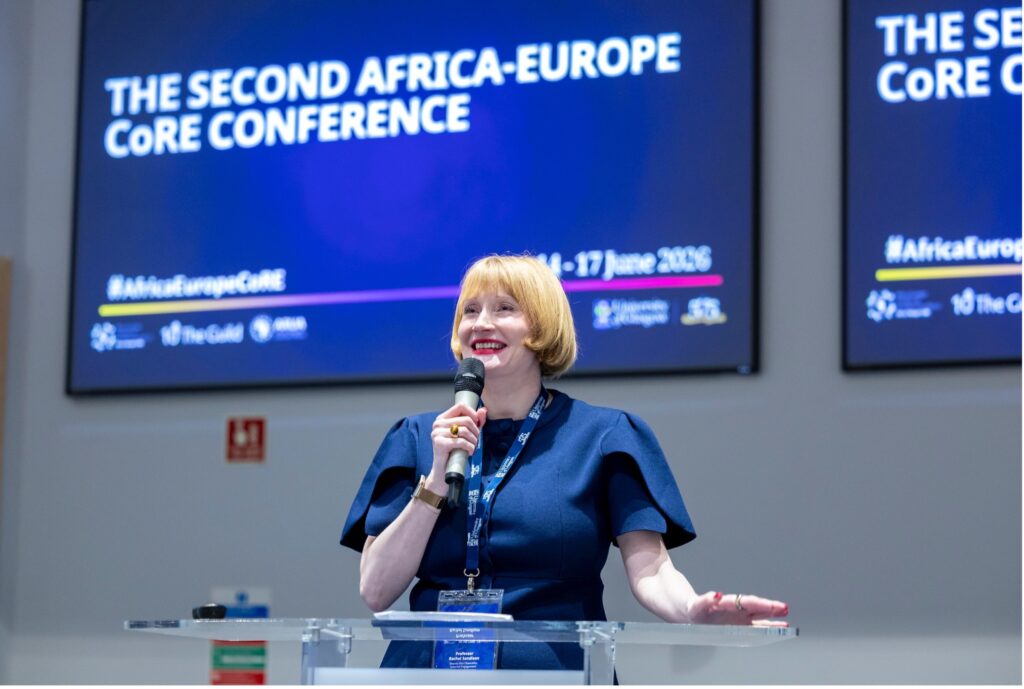
In response, Professor Rachel Sandison, Vice-Principal at the University of Glasgow, stated that it had been an “enormous pleasure and privilege” to host the event and credited her “world-changing Glasgow colleagues” for the successful delivery of the conference. She offered a traditional Scottish blessing to the departing delegates: “lang may your lum reek,” wishing the clusters continued success and prosperity.
Looking ahead
The conference concluded with a collective sense of responsibility, summarized by the observation that there is no alternative to the collaborative work being undertaken to reduce global science inequality. Looking ahead, the initiative will move from its current stage of stock-taking to the active implementation of the strategic goals identified in Glasgow.
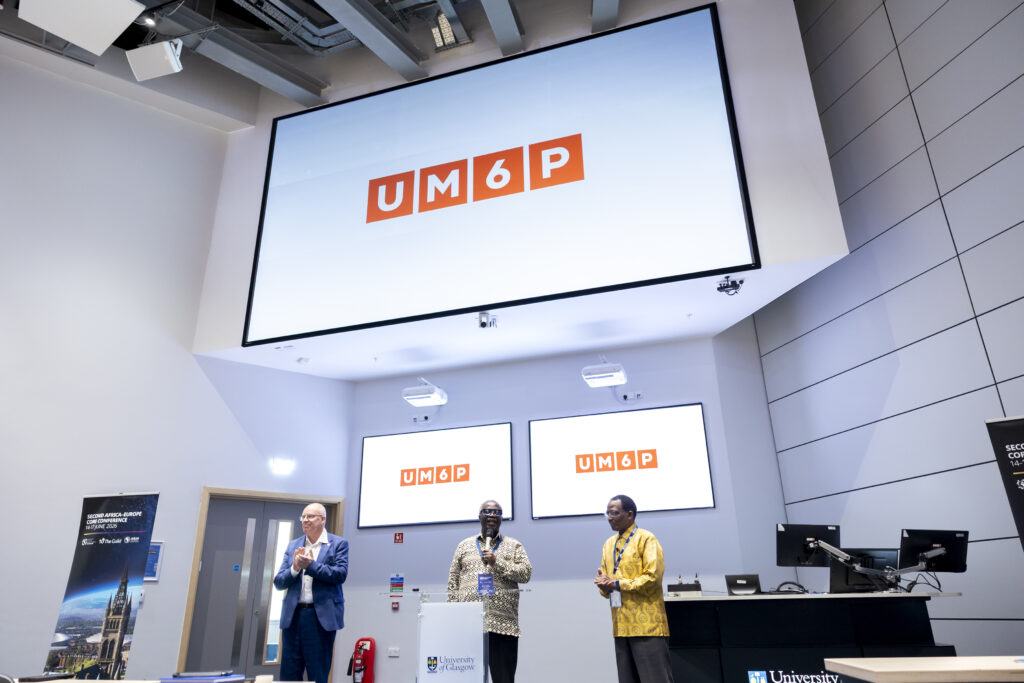
The Second CoRE Conference concluded with the announcement that the next major gathering will be hosted by the University Mohammed VI Polytechnic (UM6P) in Morocco in 2028.
Conference photography by Martin Shields, courtesy of the University of Glasgow.
Tel 07572 457000
www.martinshields.com
© Martin Shields


