ARUA and Università di Padova Form Partnership for Equitable Research and PhD Training

The African Research Universities Alliance (ARUA) and the University of Padova have signed a Memorandum of Understanding and the Africa Charter, establishing a new framework for equitable research collaboration and PhD training between Africa and Europe.
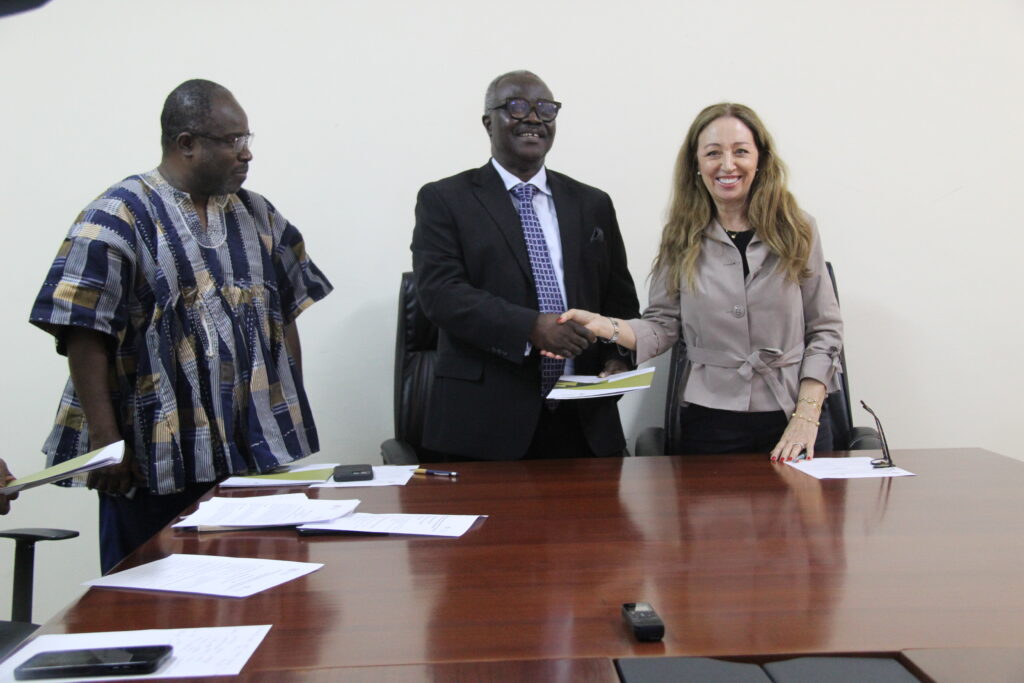
On June 8, 2026, the African Research Universities Alliance (ARUA) in Accra, Ghana, hosted a landmark ceremony to formalise a new partnership with the University of Padova. Professor John Gyapong, Secretary-General of ARUA, and Professor Daniela Mapelli, Rector of the University of Padova, signed a Memorandum of Understanding (MoU) focused on a PhD training agreement, alongside the Africa Charter for Transformative Research Collaborations. The event, witnessed by the Italian Ambassador to Ghana, represents a significant step in fostering equitable, co-created research initiatives between African and European higher education institutions.
The signing ceremony brought together a distinguished group of academic and diplomatic leaders to formalise the new partnership. The University of Padova was represented by a high‑level delegation led by Professor Daniela Mapelli, Rector, alongside Professor Massimiliano Zattin, Vice‑Rector for International Relations, Doctoral Studies and Postgraduate Programmes, and Dr Camilla Girasole, Head of the International Office. The Italian Embassy was represented by H.E. Laura Ranalli, Ambassador of Italy to Ghana, and Ms Manuel Cotto, Counsellor in the Students Office. From the Association of African Universities (AAU), Professor Frederick Ato Armah, Director of Research and Programmes, and Mr Ransford Bekoe, Partnership Manager, participated in the proceedings.
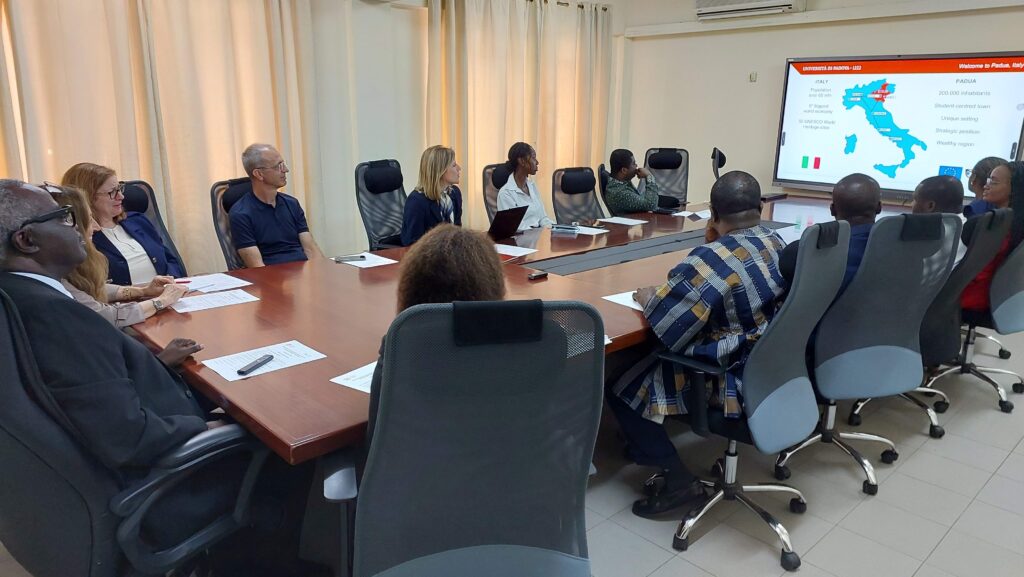
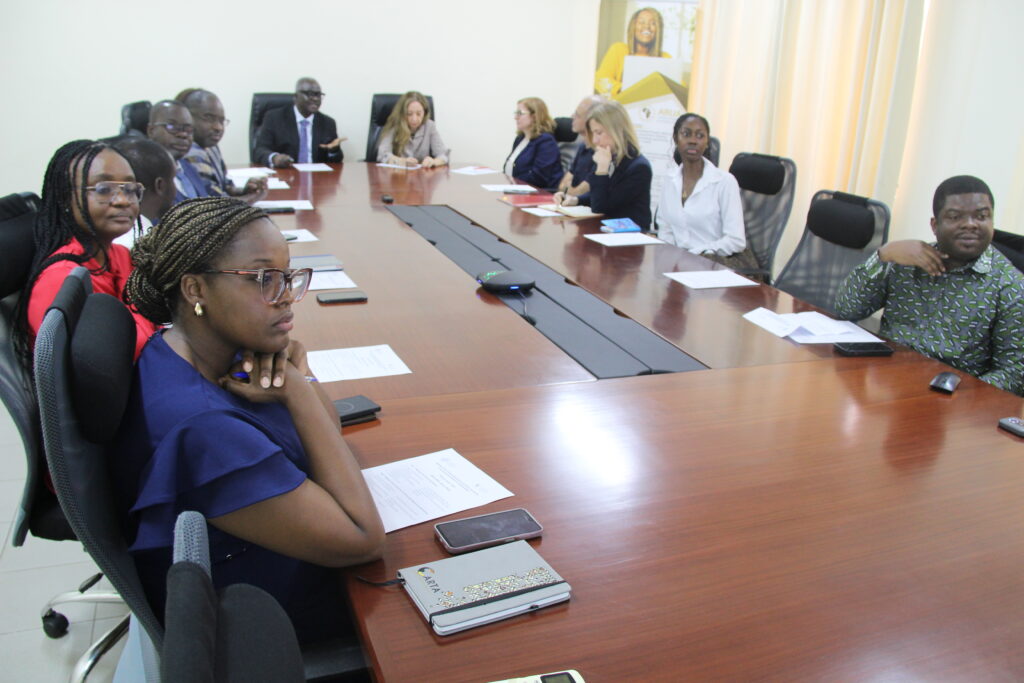
Hosting the event were Professor John Gyapong, Secretary‑General of ARUA, and Professor Jane Ambuko, Director of Research and Training, supported by the broader ARUA Secretariat staff. By signing the Africa Charter, the University of Padova joins a growing movement of institutions committed to ethical and equitable principles when engaging with African research ecosystems, underlining its commitment to this transformative approach within the Italian higher education landscape.
The MoU: Advancing PhD Training and Research Excellence
The first part of the proceedings focused on the formalisation of a PhD training agreement. Prof. Gyapong provided an overview of ARUA’s mission since its founding in 2015. With 23 member universities, ARUA’s vision is to make African research institutions globally competitive and contributors to the socio-economic transformation of the continent. He noted that the Alliance operates through 13 Centers of Excellence covering diverse fields such as water, energy, and non-communicable diseases.
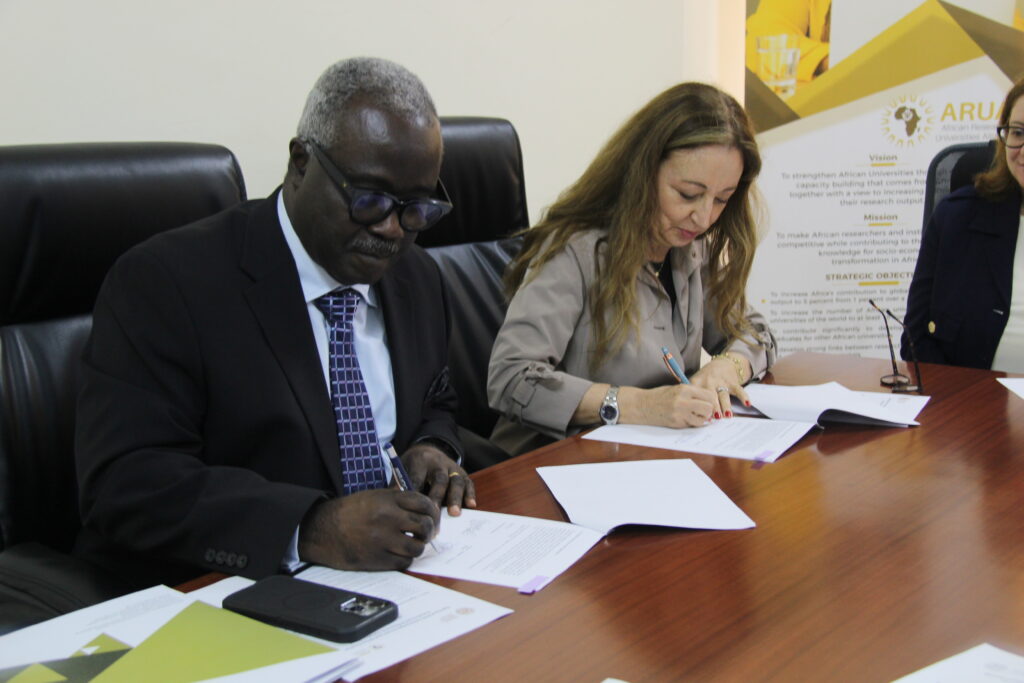
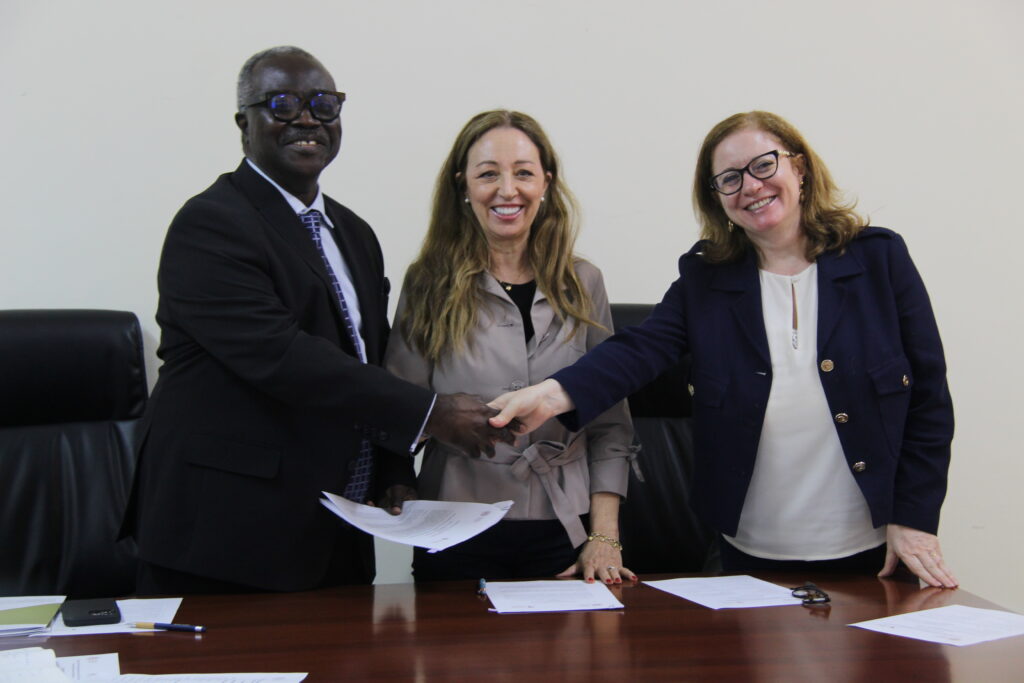
The University of Padova, founded in 1222 and currently hosting more than 76,000 students across 32 departments, brings extensive academic resources to the partnership. Rector Daniela Mapelli, the first woman to lead the university in its 800-year history, emphasised that the institution offers 30 PhD programs fully taught in English. The agreement aims to facilitate doctoral training and faculty exchange, moving beyond traditional mobility models toward deeper institutional integration.
The collaboration will focus on Digital Health and Artificial Intelligence as the unifying theme across priority areas which comprise cardiology and cardiovascular health, neuroscience, endocrinology and metabolic disorders, epidemiology, pulmonary health, healthcare systems, HIV/TB and other co-infections, malaria, antimicrobial resistance. Current active collaborations between Padova and African partners already include the departments of civil and environmental engineering, animal medicine and health, geosciences, political science, cultural heritage, physics, and statistics. This MoU provides a structured framework to scale these interactions and apply for joint funding through instruments such as Horizon Europe.
The Africa Charter: A Vehicle for Equitable Collaboration
The signing of the Africa Charter for Transformative Research Collaborations marked the second phase of the event. Professor Frederick Armah, contextualised the Charter’s importance, noting that Africa’s contribution to global knowledge production remains below 10%. He identified “systematic inequalities” in funding arrangements, intellectual leadership, and the recognition of indigenous knowledge as primary challenges the Charter intends to address.
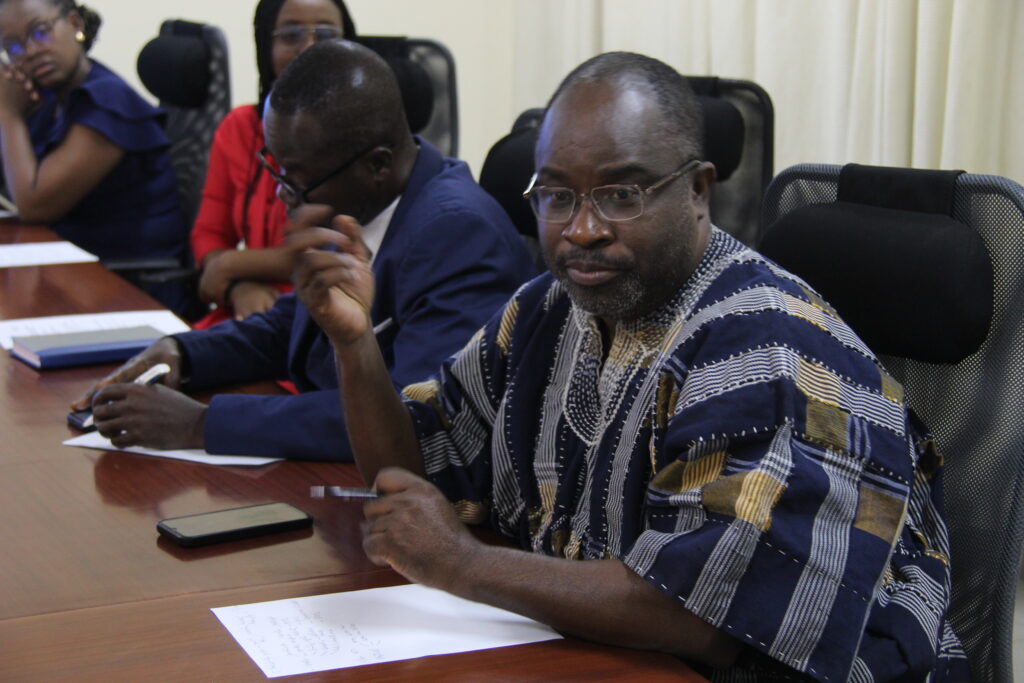
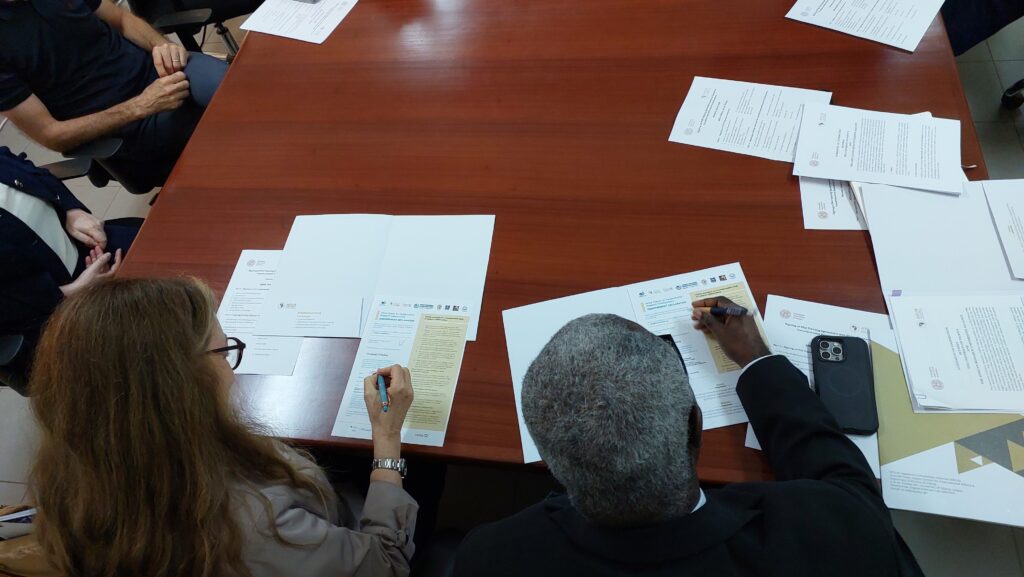
According to Prof. Armah, the Charter is the “vehicle” by which institutions can engineer an equitable research ecosystem that aligns with the “Africa we want” and the African Union’s Agenda 2063. The principles of the Charter demand that research be co-designed and co-created, ensuring African scholars hold leadership roles in global scientific inquiries.
Rector Mapelli expressed her strong support for these principles, noting that the University of Padova’s motivation is rooted in the belief that academic diplomacy is essential in the current geopolitical climate. She further indicated an intention to introduce the tenets of the Africa Charter to the Arqus European University Alliance, potentially expanding its impact across Europe.
Perspectives on Academic Diplomacy
The ceremony featured reflections on the necessity of moving away from outdated models of international engagement towards a shared vision of academic and science diplomacy, which the leaders identified as essential for navigating the modern geopolitical landscape. Professor Mapelli highlighted that the university’s motivation for joining the Africa Charter and the MoU was driven by a need for strategic cooperation. She stated: “In this geopolitical raising time, we think that the academic diplomacy it’s very important. It’s very very important to talk about collaboration, cooperation, co strategy”.
The Italian Ambassador, H.E. Laura Ranalli, underscored the “science diplomacy” aspect of the event, noting that academic partnerships create enduring human connections. She noted that while formal agreements are necessary, the true value of academic diplomacy lies in its ability to foster human connections. She cited the example of a Ghanaian alumnus of Padova who named his clinics after his Italian professors, remarking: “Academic bridges are fundamental because they create links between institutions but between people and when you create links between students this is really important.”
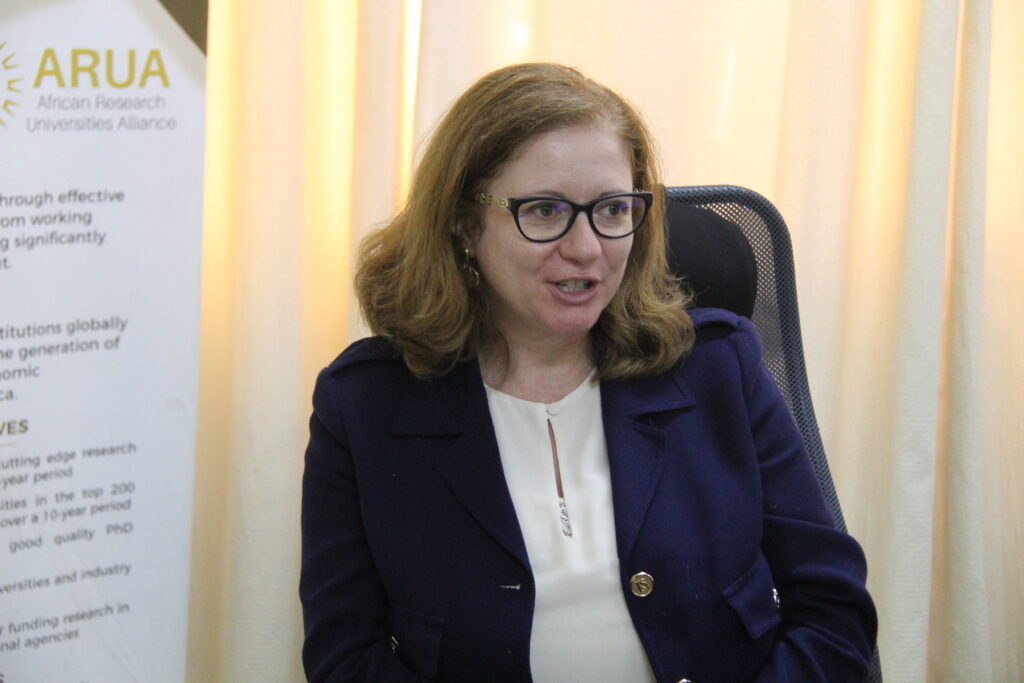
The Ambassador concluded that the presence of the embassy at the signing ceremony underscored a commitment to these “new realities” of collaboration, noting that such links ensure a continuity of engagement at institutional, personal, and academic levels.
In his closing remarks, Professor Gyapong emphasized the significance of diplomatic support in the academic sphere, noting that, “science diplomacy is very critical for us all to engage in now. So, thank you so much for showing that.” He expressed appreciation to the ambassdor for taking a “keen interest” in the academic environment and suggesting that the partnership could rely on her diplomatic support to help the agreement succeed.
Next Steps for the ARUA–Padova Partnership
This partnership advances ARUA’s mission by centering African intellectual leadership in the pursuit of the Sustainable Development Goals (SDGs). By aligning the historical prestige of the University of Padova with the research ambitions of ARUA’s flagship universities, the Alliance serves as a model for how Europe and Africa can work together at the “same level” to address global challenges through research that is co-created, equitable, and focused on shared success.


