The African Research Universities Alliance (ARUA) participated in the 2026 Day of Scientific Renaissance of Africa (DSRA), hosted by the University of Ghana in June, contributing to continental discussions on strengthening research systems for equitable development.
The Second Africa-Europe Clusters of Research Excellence (CoRE) Conference was held from 14 to 17 June 2026 at the University of Glasgow. This high-level gathering marked a significant milestone in the partnership between the African Research Universities Alliance (ARUA) and The Guild of European Research-Intensive Universities. Held during the University of Glasgow’s 575th anniversary year, the event provided a platform to evaluate the initiative’s progress since its inception. The CoRE model, which began as a conceptual framework galvanised by the AU-EU Innovation Agenda, has successfully transitioned into a formal institutionalised network.
The Africa Research Universities Alliance (ARUA) has highlighted the transformative potential of the Capacity Building and Scientific Impact Tracking System (CB-SITS Africa), a new platform designed to strengthen how research impact is measured and communicated across Africa.
“The diseases are in Africa, we should not wait for Europeans to bring us money before we tackle these diseases, especially Lassa fever,”
Dr. Irene Owusu Donkor, Senior Research Fellow at the Noguchi Memorial Institute for Medical Research (NMIMR), Ghana and epidemiologist, reflected on the power of building scientific networks during the closing week of the AU-EU Health Partnership – a programme designed to strengthen research on mpox and Lassa fever.
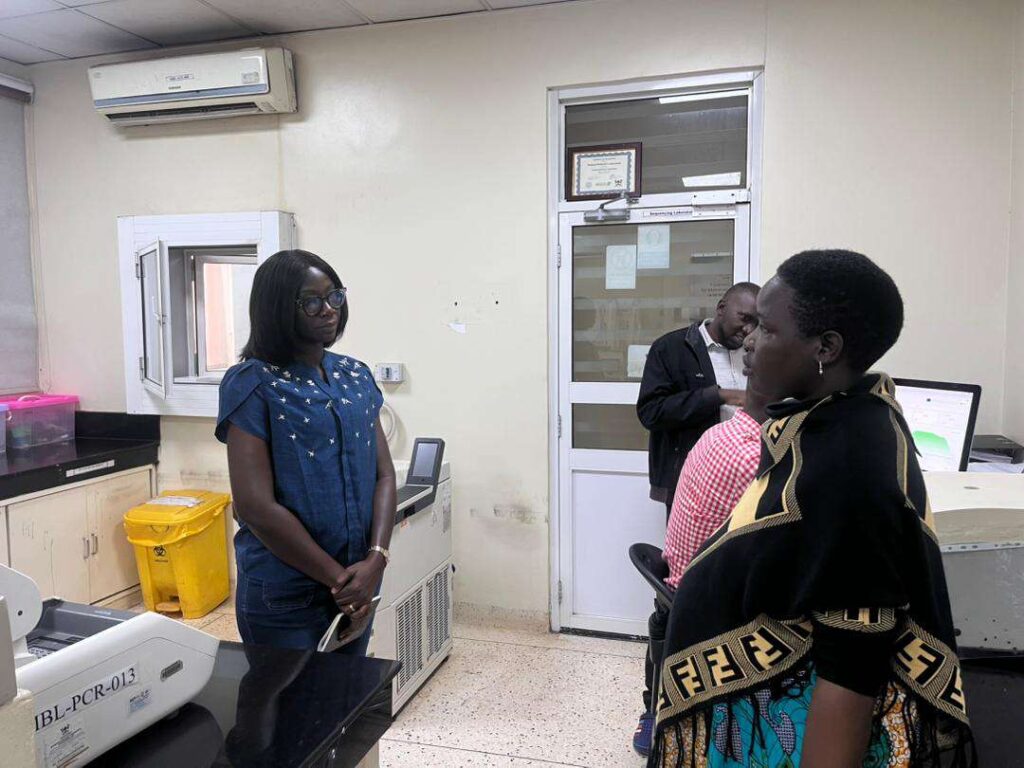
Visiting laboratories and engaging with peers at Makerere University reminded Irene of a persistent challenge: African researchers often work in isolation, even within the same institution. She emphasised that this siloed approach limits the continent’s scientific impact. To change this, she believes African researchers must “build networks amongst ourselves” so that research is no longer a “one-man show”. Stronger connections would not only help address shared scientific challenges but also increase the visibility and influence of African-led research. “We could build an East-West Africa partnership to study the different Mpox strains circulating across the region and understand what is driving the disease in different populations.”
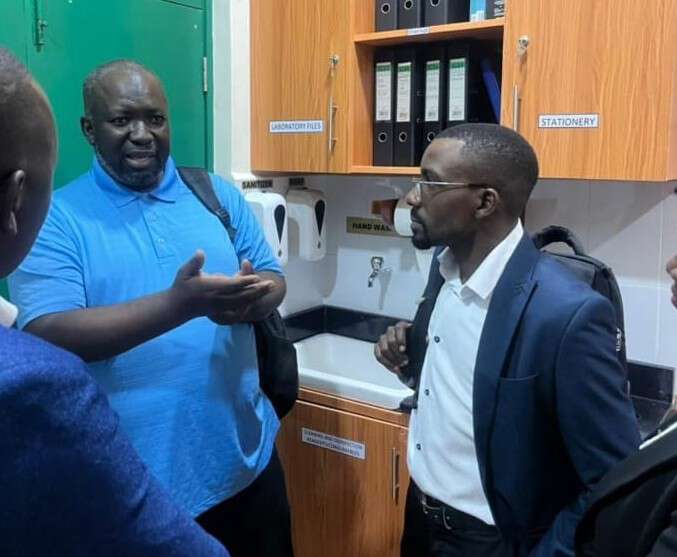
Irene Owusu Donkor visiting a lab during one of her research stays
Irene emphasised how Lassa fever and mpox have been prevalent in Africa for decades yet only gained global urgency once they appeared in Europe. Africa, she argued, must strengthen its own collaborative systems to respond swiftly to outbreaks and prevent them from spreading beyond the continent demonstrating to the Western world that African institutions and researchers can lead their own epidemic responses. But this requires support from politicians and policymakers who must be ready to act decisively when the next outbreak emerges.
For early-career researchers, she stressed the importance of exchanging observations, sharing preliminary findings, and forming cross-country partnerships. Such a collaboration would help generate the early data needed to secure funding from African governments since funding is often inaccessible without initial evidence, forcing researchers to rely on Western partners.
Yet, South-South collaboration faces practical barriers. High shipping costs, limited data-sharing, unreliable internet access and inconsistent electricity supply could hinder joint research efforts. These challenges, she noted, could be mitigated through joint grant applications and coordinated investment in research infrastructure.
During her research stay at the University of Ibadan in Nigeria, Irene deepened her practical skills in bioinformatics and next-generation sequencing. She also encountered innovative in-house Polymerase Chain Reaction (PCR) methods used to diagnose Mpox, techniques that were significantly cheaper than commercial kits. These locally developed methods, she suggested, could be refined into a new diagnostic kit and manufactured on the continent. Currently, many African laboratories import expensive kits from abroad, even though the core reagents could be readily available. “So, we need to make sure the infrastructure required to do the work is in place,” she said. “Only then can we truly build something together and strengthen South-South collaboration.“
Meet Irene
Dr. Irene Owusu Donkor is a distinguished Senior Research Fellow at the Noguchi Memorial Institute for Medical Research (NMIMR) and a specialist in the epidemiology of emerging viral pathogens. Her research has utilised retrospective serological analysis to prove that Mpox was circulating silently in Ghanaian communities years before the official 2022 outbreak. Furthermore, her studies on Lassa fever address the critical intersection of household transmission and co-infection risks, providing data essential for national health policy. Research focus: Developing an early warning system for Mpox outbreaks
Host institutions – Makerere University – Supervisor: Prof. Damalie Nakanjako – University of Ibadan – Supervisor: Dr. Adeola Fowotade – Pompeu Fabra University – Supervisor: Prof. Andreas Meyerhans – University of Bern – Supervisor: Prof. Carmen Faso
“I also like the fact that now I have collaborations in different African countries.“
Ms. Jupiter Marina Kabahita, Bioinformatician at the Uganda National Health Laboratory Services, Uganda, reflected on the network she has built throughout the fellowship during the closing week of the AU-EU Health Partnership – a programme designed to strengthen research on mpox and Lassa fever.
After visiting all the hosting institutions, Marina concluded that the programme offered a rare opportunity to form strong bonds with African colleagues. The fellows spent extensive time together, learning about each other’s work, sharing challenges, and exploring how they could support one another’s research regardless of their individual project concepts. Through this network, she has learned techniques she can apply to other diseases in Uganda beyond mpox, and she is already working with African colleagues on the idea of developing a joint grant application.
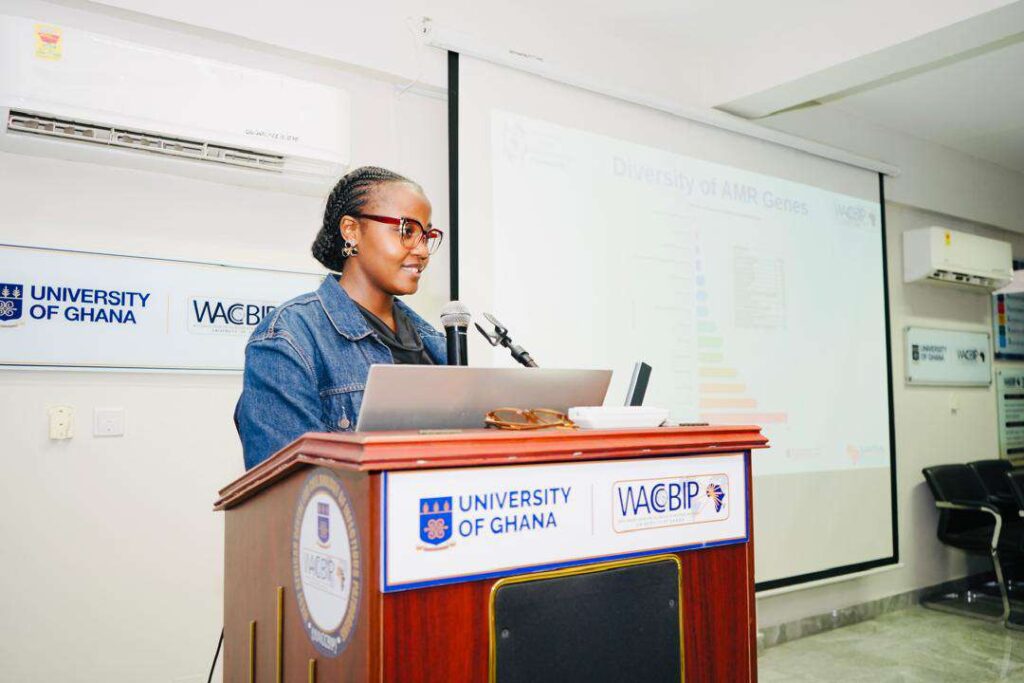
Jupiter Marina Kabahita presenting at the University of Ghana during her research stay
Marina also reflected on the gaps in infrastructure and leadership that continue to shape how knowledge gained is applied at home. In Europe, she observed, project conceptualisation is deeply tied to societal impact. Researchers are not only conducting research, publishing articles but are thinking about how their research can have a tangible impact on peoples’ lives. “I think back home we need to start asking those same questions,” she said.
For her, this shift is fundamentally about mindset. African researchers, she argued, must begin to approach their work with translational intent. She imagined a scenario in which a research student is encouraged by their professor to pursue innovative ideas and translate their findings into something tangible that benefits society, a spark that could inspire others to do the same.
When asked what she would choose if she had a choice between publishing articles or protecting the intellectual property of her findings and translating it into something palpable, Marina paused. At this stage of her career, she explained, publishing remains essential for establishing herself within her research field and progressing toward a professorship. Although the fellowship has motivated her to explore translational research more intentionally and to consider how her work could eventually reach the market.
Discussing her work on Mpox and Uganda’s response to the outbreak, Marina underscored the importance of collective action. “You cannot fight an outbreak alone or as an institution. It’s a collaborative effort.” She proudly shared how Uganda’s investment in building its capacity during the mpox epidemic has transformed the country’s approach to investigating and understanding outbreaks. With support from Africa CDC and the Ugandan government, genomic sequencing for mpox is now being conducted at the Uganda National Health Laboratory Services (UNHLS) — a public health laboratory — rather than a research institution or university. “That really changes how we fight outbreaks and how we actually understand them,” she said.
Meet Jupiter
Ms. Kabahita is a bioinformatician and pathogen-genomics specialist. She applies computational approaches to analyse genomic data from pathogens of public health importance, and her work in next-generation sequencing and phylogenetics supports capacity building, transmission mapping and outbreak detection.
Research focus: Proteome conservation analysis to identify Mpox specific vaccine targets
Host institutions – University of Ghana – Supervisor: Prof. Gordon Awandare – Radboud University – Supervisors: Prof. Benjamin Mordmüller, Prof. Marien De Jonge & Prof. Quirijn de Mast – Pompeu Fabra University – Supervisor: Prof. Andreas Meyerhans – University of Bern – Supervisor: Prof. Carmen Faso
“I think the most important thing what I’ve learned is that coordination and collaboration is important [..] it has really opened up our mind to say, okay, so this is what translational science is all about.”
Dr. Mirriam Ethel Nyenje, Senior Public Health Microbiologist and Head of the National Genomics Reference Laboratory at the Public Health Institute of Malawi, reflects on the power of collaboration during the closing week of the AU-EU Health Partnership – a programme designed to strengthen research on mpox and Lassa fever.
During her stay at Makerere University, Mirriam was really encouraged to see the research being conducted by her peers in the Translational Lab. What really caught her eye was the development of the gene extraction kit, which can be used to break down and reduce the genetic makeup of bacteria. “If other institutions are doing the same in Africa, why not us?” she said. Looking back on the Covid-19 pandemic where a lack of supplies and chemicals was a huge issue in Africa, Mirriam hopes that when these gene kits are produced locally, they would not have to rely on Europe or other parts of the world to manufacture reagents to support testing and diagnosis of diseases like mpox.
Mirriam reflects on how the fellowship has really opened her eyes to the importance of good collaboration and coordination in translational research. Within the African context, however, there are still some barriers that hinder researchers in countries like Malawi to exchange samples and work with colleagues in other African countries. She argues that Africa CDC can be a good platform for strengthening collaboration between member states and to bypass some of the trust issues that are hindering collaboration today.
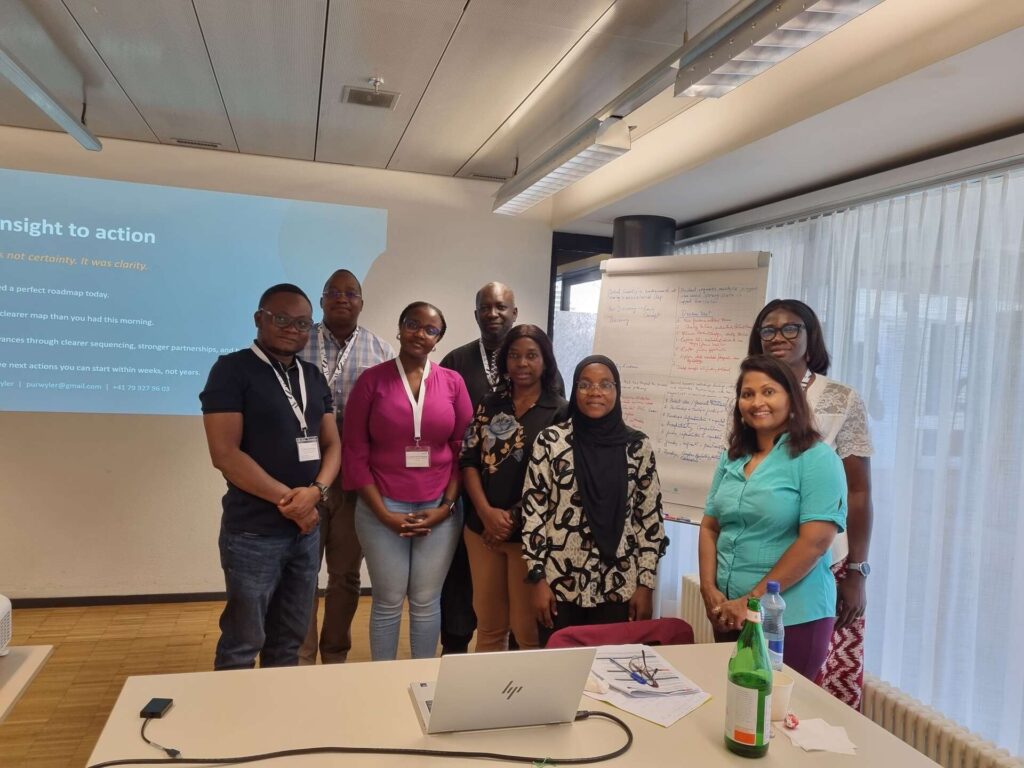
Mirriam Ethel Nyenje, fourth person from the right, and the other fellows during the training week at the University of Bern, 2026
One of the issues when it comes to outbreak response, Mirriam says, is that researchers are being left out of the rapid response teams. She argues that if researchers are included from the beginning, they would be able to help by deploying diagnostic kits and point-of-care (POCT) platforms to test facilities in rural areas and detect the outbreak at a much earlier stage. They would be able to isolate infected people and break the transmission cycle, reducing both the mortality and the cost.
When talking about vaccines, she notes that although a vaccine is deemed safe in Europe, the vaccine might not work as well in Africa because of the different genetic makeup. “I’ve learned that indeed, if we have those locally produced vaccines tested on our own people, the efficacy and even how that vaccine works will have a greater impact than the ones that are procured outside”. She argues that if African countries had better capacity to produce more vaccines themselves, they would not have to wait for and rely on partners to provide vaccines when there is an outbreak. “We know in Malawi when it’s cholera season and where the hotspots are in different districts. Why can’t we give our people these vaccines before the rainy season comes?” Instead, she would like African countries to be able to decide when to administer vaccines and focus more on prevention rather than reaction, which again would lessen the burden on the health sector.
Meet Mirriam
Dr. Mirriam Ethel Nyenje is a senior public health microbiologist and health security systems expert who currently serves as Head of the National Genomics Reference Laboratory at the Public Health Institute of Malawi. Her expertise spans global health security, One Health collaboration, emergency preparedness, and translating scientific data into policy and action. She holds a PhD and MSc in Medical Microbiology from the University of Fort Hare and a BSc in Biomedical Sciences from the University of Zambia. Research focus: Developing new public health surveillance tools that can triage infections outside of Malawi’s centralised labs
Host institutions – Makerere University – Supervisor: Prof. Damalie Nakanjako – University of Glasgow – Supervisor: Prof. Lilach Sheiner – University of Bern – Supervisor: Dr. Phaedra Simitsek
“What I’ve realised from this fellowship is that there’s no strong collaboration between African researchers and universities for Lassa fever and mpox“
Dr. Mariam Kehinde Sulaiman, Medical microbiologist and virologist at the University of Ilorin, Nigeria, reflected on the realities of intra-Africa research collaboration during the closing week of the AU-EU Health Partnership – a programme designed to strengthen research on mpox and Lassa fever.
During the European leg of the fellowship, Mariam spent time reviewing existing literature and noticed a pattern: West-African countries such as Sierra Leone have long collaborated with European partners such as Germany on Lassa fever, a disease predominantly found in West-Africa. East African fellows are studying mpox and collaborating with their own European partners. Even though they are working on different pathogens African researchers would benefit greatly from collaborating with each other and sharing research findings. “Everybody is doing different things in their own little corners”, she said.
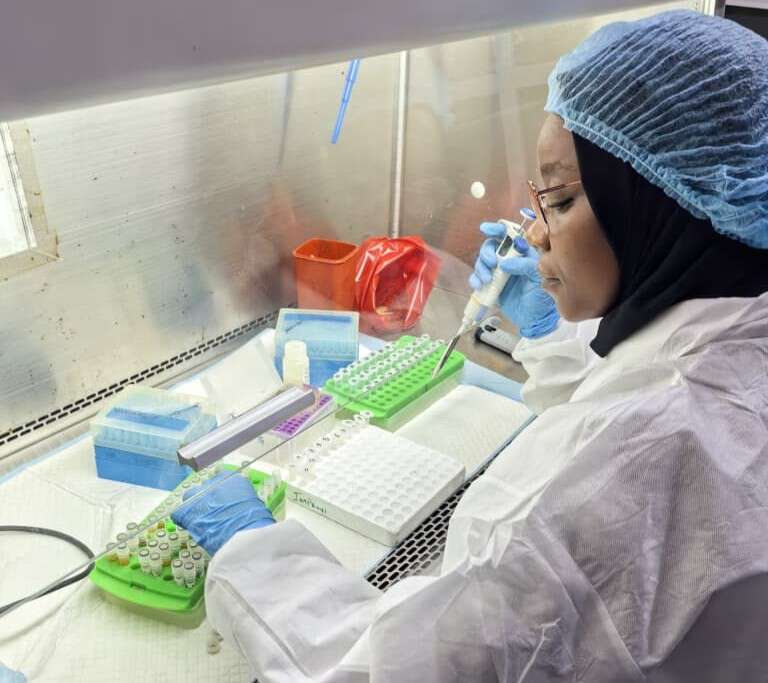
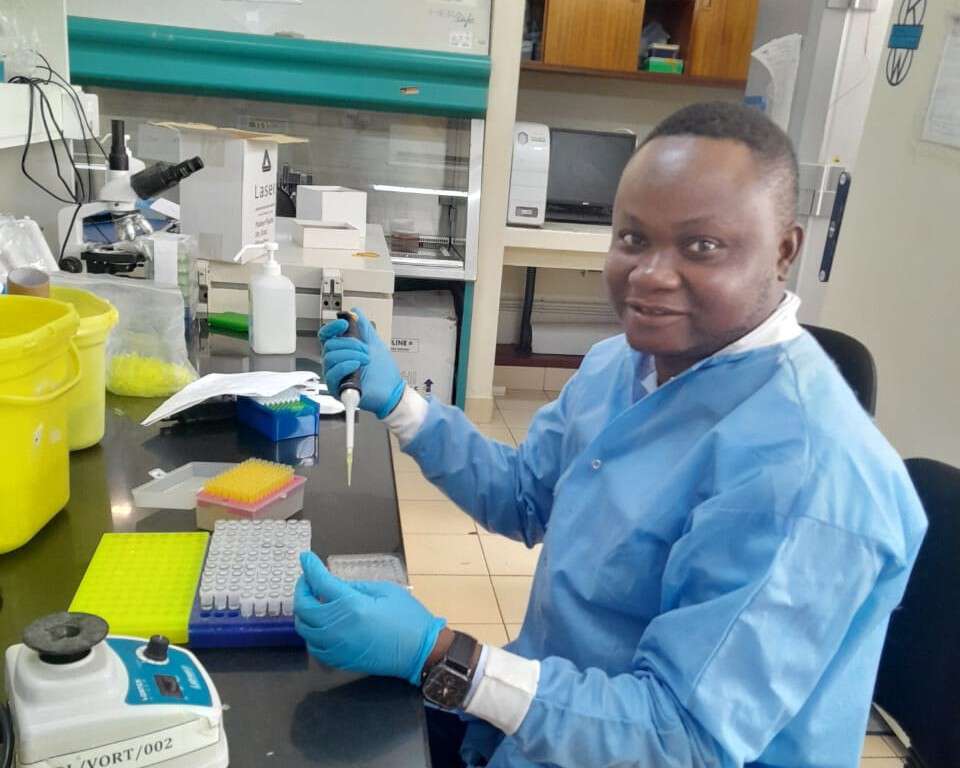
Mariam Kehinde Sulaiman working in the lab during one of her research stays, 2026
A vivid contrast emerged when she witnessed how colleagues from Radboud University responded to the recent Hantavirus outbreak. They immediately mobilised their international network, reaching out to experts from Brazil and Italy to exchange knowledge and experience. “That is not very common in this part of the world [Africa],” she noted.
When asked how the fellowship has changed her views on translational research in health sciences in Africa, Mariam was candid: her institution simply does not have the infrastructure needed to support the full pathway from discovery to application. “People do science, but they don’t think outside of the box in terms of translational research because we don’t have the infrastructure.” Changing this, she stressed, requires intentional dialogue with university leaders and policymakers. Researchers must be equipped and encouraged to collaborate with partners from outside of Nigeria if they are to develop innovations such as diagnostic kits. “I thought it was just getting to the lab, putting it together, and then it’s just out there. But I realised that I need so much more. If I don’t collaborate with people outside of Nigeria, it’s not going to be possible.”
Beyond practical skills, building a research network became one of the most valuable aspects of her fellowship. She has already begun discussions with colleagues at the University of Ibadan to establish a collaboration. Fellows were also encouraged by the supervisors at Radboud University (Prof. Benjamin Mordmüller, Prof. Marien De Jonge & Prof. Quirijn de Mast) to start drafting new proposals that could spark future joint projects. “It’s not just talk, it is action, encouragement and the willingness to work together” she noted.
Mariam also highlighted the financial constraints that shape research training in Nigeria. Without grant funding, both students and supervisors must pay for research expenses themselves. As a result, she must design student projects carefully, ensuring they remain “meaningful but inexpensive.”
Her visit to the University of Ibadan offered a glimpse of what is possible. There, she learned about innovative, low-cost in-house Polymerase Chain Reaction (PCR) kits used to diagnose mpox, a practical alternative to expensive commercial kits imported from abroad. But cost is only part of the challenge. Procurement delays for reagents can stretch for weeks or months, jeopardising project timelines. “The procurement process is long and cumbersome,” she said. “But with these simple reagents, we can get them locally in Ghana and the work can be done without any delays.”
Meet Mariam
Dr. Sulaiman coordinates the Molecular Diagnostic and Research Laboratory and is involved in viral diagnostics, molecular epidemiology, and infectious disease surveillance. She completed her PhD at the University of Surrey and has since been actively involved in research and postgraduate supervision focused on improving diagnostic capacity and outbreak preparedness in resource-limited settings.
Research focus: Developing a locally producible diagnostic kit for Lassa fever
Host institutions – University of Ibadan – Supervisor: Dr. Adeola Fowotade – Radboud University – Supervisors: Prof. Benjamin Mordmüller, Prof. Marien De Jonge & Prof. Quirijn de Mast – Pompeu Fabra University – Supervisor: Prof. Andreas Meyerhans – University of Bern – Supervisor: Prof. Carmen Faso
“I feel that this training has given me sufficient exposure and the skills needed to enter into this space and to make a difference.”
With this encouraging reflection, Dr. Nicholas Bbosa, molecular virologist and pathogen genomics expert at The Medical Research Council (MRC) and Uganda Virus Research Institute (UVRI), looks ahead during the closing week of the AU-EU Health Partnership – a programme designed to strengthen research on mpox and Lassa fever.
During his mobility at the University of Glasgow, Nicholas appreciated that he had the opportunity of adding a new layer of depth to the knowledge he already had in genomics, giving him a “more informative and comprehensive understanding of dynamics of infection”. He said, “in the past, I’d come across them mostly in the area of HIV, but now being applied to mpox, which is currently one of the viruses that I’m interested in and working with, was quite refreshing.” He is eager to bring this expanded expertise back to Uganda and collaborate with fellow scientists working on similar challenges.
Nicholas Bbosa, during his research visit at the University of Glasgow, 2026
After his time at the University of Ghana where he fully immersed himself in computational work on generated genomes, Nicholas was able to identify some markers that could be protective in infected individuals if they are enhanced. This discovery, he explains, has opened a new direction for his future research that could eventually contribute to the area of therapeutics.
Across the continent Nicholas observes a significant shift: many African institutions have now developed the capacity to conduct modern genomic investigations and generate sequences and genomics data that they previously were unable to do. This progress has reduced the dependence on shipping samples to the Global North where they had the necessary technologies that were previously absent in many African countries. “The idea was just to ship samples,” he recalls. “Data is generated elsewhere. And then you lose that kind of autonomy on the data and the findings.” What is missing today, he argues, is translating basic research into something impactful that can have a tangible result like a diagnostic product or a vaccine. The problem is that many institutions do not have intellectual property policies or Technology Transfer Offices (TTOs). “Many scientists even do not know if those officers exist in the institutions where they are,” he notes.
One thing African universities can do to better respond to epidemics like mpox and Lassa fever, Nicholas reflects, is to “bridge the gap between public health initiatives like surveillance and outbreak response with research.” Secondly, he stresses the importance of supporting TTOs and initiatives that will be important to translate research into something that can have a tangible impact. “I think what African researchers can do better,” Nicholas reflects, “is to tag the public health surveillance and response teams with the researchers. They should move concurrently.” Having enough actionable data could translate into vaccines and therapeutics, and using public health data in research can better inform responses during epidemics.
Nicholas reflects that the translational aspect of research has been missing from health sciences in Africa. Introducing more translational research would increase the capacity to translate knowledge into something actionable that can reach the patients that are suffering from the epidemics. Reflecting on his own experience in Uganda, he says that when an outbreak like mpox happens, most of the diagnostics that are being used to diagnose diseases are imported from Asia. The cost implications of this are enormous, and there is also a danger of running out of testing kits. However, Nicholas argues that this is capacity that can actually be developed locally. “That is one area that would reduce that time of diagnosis and then allow for more timely interventions.”
Meet Nicholas
Dr. Nicholas Bbosa is a molecular virologist specialising in pathogen genomics, phylodynamics, molecular epidemiology and bioinformatics. He is currently an Assistant Professor of Virology at the London School of Hygiene & Tropical Medicine and a Senior Scientist at the MRC/UVRI & LSHTM Uganda Research Unit. He also leads the Virus Surveillance and Discovery project at the Uganda Virus Research Institute (UVRI), where he applies genomic and metagenomic approaches to detect, characterize and track pathogens of public health importance. Research focus: Developing an early warning system for mpox outbreaks
Host institutions – University of Ghana – Supervisor: Prof. Gordon Awandare – University of Glasgow – Supervisor: Prof. Lilach Sheiner – University of Bern – Supervisor: Dr. Phaedra Simitsek
“You need to design your research in such a way that, right from the outside, you’re thinking of making an impact…”
Mustapha Umar Imam, Professor of biochemistry and Director of the Centre for Vaccine Research and Biotechnology at the Federal University of Lafia, Nigeria shares his reflections on one of the central tensions he observed during the closing week of the AU-EU Health Partnership – a programme designed to strengthen research on mpox and Lassa fever.
During his stay at Pompeu Fabra University, Mustapha was particularly inspired by the hands-on approach of his hosts where fellows and supervisors exchanged and refined their translational research project, with a feedback loop that challenged assumptions and accelerated their understanding of Lassa fever and mpox which they have studied for a long time without access to the same facilities and broader set of ideas they were exposed to in Barcelona.
Mustapha Umar Imam visiting labs during his research stay at Makerere University
For Mustapha, this experience further fuelled his interest in Lassa fever. He even shared that he learned more about the virus during his two-week stay in Barcelona than anywhere else. It also prompted deeper reflection on how such expertise and capacity could be cultivated within Nigeria. He stressed that translational research should be strengthened not only by Africa-Europe collaboration but also by intra-Africa collaboration. Drawing from his experience, Mustapha called for African countries to build research ecosystems that can host valuable exchanges that can be creative and adapted to local realities. He is hopeful that the network he developed through the Africa-Europe Clusters of Research Excellence on this fellowship is already laying groundwork for future collaboration, from aiming to secure joint grant applications to establishing shared research pipelines.
Mustapha imagines a future where a discovery made in Nigeria could be rapidly validated by colleagues from across the continent: with the potential innovation tested and eventually taken up by pharmaceutical companies for large-scale production across different countries. Joint funding, he added, could help build the critical mass around which a regulatory ecosystem can be established to make this vision a reality.
The fellowship also reshaped his understanding on the importance of how discoveries can be translated from lab to market to ensure they have an impact within society. “You need to design your research in such a way that, right from the outside, you’re thinking of making an impact,” he reflected.
Another key lesson from the fellowship was the importance of engaging not only regulators and policymakers but also communities. “If we don’t talk to the people that matter and the regulators, for example, policymakers and even people in the community, we cannot make a discovery,” he said. He pointed to the persistent challenge of vaccine hesitancy in Africa. Even when vaccines are free, people often refuse them because they feel disconnected from the research process or distrust the institutions behind it. “With enough funding, universities will be able to expand, do more in terms of disease response, and study diseases that are endemic to Africa, such as Lassa fever”.
Meet Mustapha
Prof. Mustapha Umar Imam, Professor of biochemistry and Director of the Centre for Vaccine Research and Biotechnology at the Federal University of Lafia, Nigeria
Professor Imam is a molecular biotechnologist and translational vaccine researcher. His work focuses on translating molecular discoveries into practical health interventions relevant to Africa, including vaccine development, diagnostic tools, and preventive strategies for chronic and infectious diseases. He holds an MBBS from Bayero University Kano and a PhD in Molecular Biotechnology from Universiti Putra Malaysia.
Research focus: Developing a preventative mRNA vaccine candidate for Lassa fever
Host institutions – Makerere University – Supervisor: Prof. Damalie Nakanjako – Radboud University – Supervisors: Prof. Benjamin Mordmüller, Prof. Marien De Jonge & Prof. Quirijn de Mast – Pompeu Fabra University – Supervisor: Prof. Andreas Meyerhans – University of Bern – Supervisor: Prof. Carmen Faso
“The North-South collaboration is also important of course, but maybe instead of pulling researchers from Africa to go and train in the North, it’s better for researchers from Europe to come and teach African researchers in their own setting”
Dr. Wakisa Kipandula, molecular diagnostics and infectious disease researcher at Kamuzu University of Health Sciences, reflected on how collaboration across continents could be improved during the closing week of the AU-EU Health Partnership – a programme designed to strengthen research on mpox and Lassa fever.
During his visit to the University of Glasgow, one of the things that really impressed Wakisa was seeing the advanced technologies they have developed that can measure immune responses and evaluate the effectiveness of vaccines. “I’m coming from the molecular diagnostics and bacterial genomics background and seeing these assets is really impactful,” he explained. But the experience also highlighted a long-standing imbalance: Much of the research on diseases prevalent in Africa is still carried out in European laboratories. Several projects in Glasgow, he noted, were using samples shipped from Africa. One of the reasons for this, he says, could be that many African researchers simply do not have access to the same technologies. “We should look at how we can best build capacity locally to be able to do the research back home instead of sending the samples all the way to Europe.”
Wakisa Kipandula working in the lab during his research stay
Wakisa emphasises the importance of promoting South-South collaboration, as a lot of African researchers are currently ‘working in silos’ instead of collaborating across institutions. He points out that even though North-South collaborations are important, it means less capacity is being built in Africa itself as many researchers train in the North. Once they return, it is difficult to implement what they have learned in their local settings. Instead, he says, it would be easier for a researcher from Malawi to travel to Uganda to exchange knowledge and do research.
To better respond to Lassa fever and mpox, Wakisa stressed the importance of coordination between governments and universities to combine efforts on outbreak investigation. In Malawi, for example, he says that they need to properly establish a transportation and management network for samples to better respond to the mpox epidemic. One issue, however, is that academic institutions lack funding to buy the necessary equipment and few have labs that can measure vaccine effectiveness. “There is a lack of capacity building to do these investigations in the labs that we have [..] and most universities don’t have a dedicated budget that can support researchers to conduct research on the mpox epidemic or even support the Ministry of Health”.
The experiences Wakisa gained during his time as a fellow in Uganda and Glasgow has changed the way thinks about translational research in the health sciences in Africa. “What I’ve learned so far is that it’s not just about collecting and publishing data, but that the data can be used to save lives”. Seeing how the University of Glasgow has developed technology that can measure the effectiveness of vaccines has inspired him to develop those kinds of technologies in Africa and to use it to work towards preventing future outbreaks rather than just measuring the effect during active outbreaks.
Meet Wakisa
Dr. Wakisa Kipandula is a molecular diagnostics and infectious disease researcher whose work spans serology, molecular biology, outbreak investigation, and laboratory quality systems. He established Malawi’s first university-based EQA programme and contributed to genomic analyses of major outbreaks, including cholera. Research focus: Rapid test suitable for precise diagnosis of Mpox in remote settings.
Host institutions – Makerere University – Supervisor: Prof. Damalie Nakanjako – University of Glasgow – Supervisor: Prof. Lilach Sheiner – University of Bern – Supervisor: Dr. Phaedra Simitsek